Japan

Nara

Japan's first capital — the Great Buddha, old temples and bowing deer

Independently researchedUpdated October 2026No paid rankings

Before you go

Apps to download for Japan

The ones locals actually use — sort these before you land in Nara.

What do you want to do?

Tap any one to see the photo and what it is — or hit the + to add it straight to your plan.

Like a local

What a friend who lives here would tell you

The real spots and the timing — from locals, not guidebooks. The stuff a top-10 list will never give you.

RitualLocal tip

How to handle the deer

Nara Park

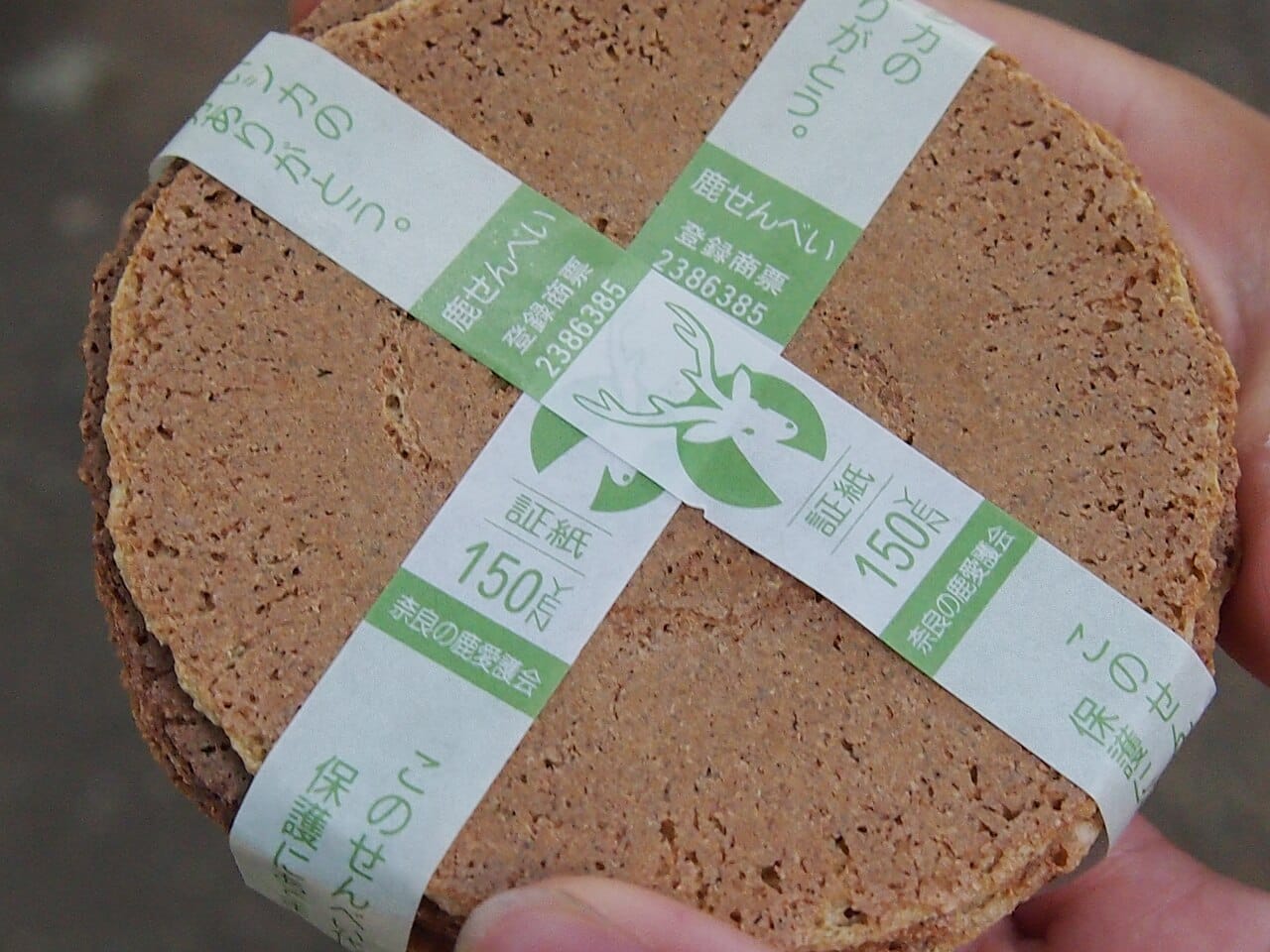
Buy shika senbei (deer crackers) only from the licensed vendors, and hold them up — many deer will bow for a treat, and bow back if you bow first. Don't tease them or wave food around: they're wild, they mob, and they will headbutt for a cracker. Tuck maps and tickets away.

RitualLocal tip

Beat the day-trippers

Todai-ji

The coach crowds arrive mid-morning and leave by five. Go to Todai-ji and the park right at opening, or in the last golden hour before dusk, and you'll have the Great Buddha and the deer almost to yourself. Staying overnight is the trick.

FoodLocal tip

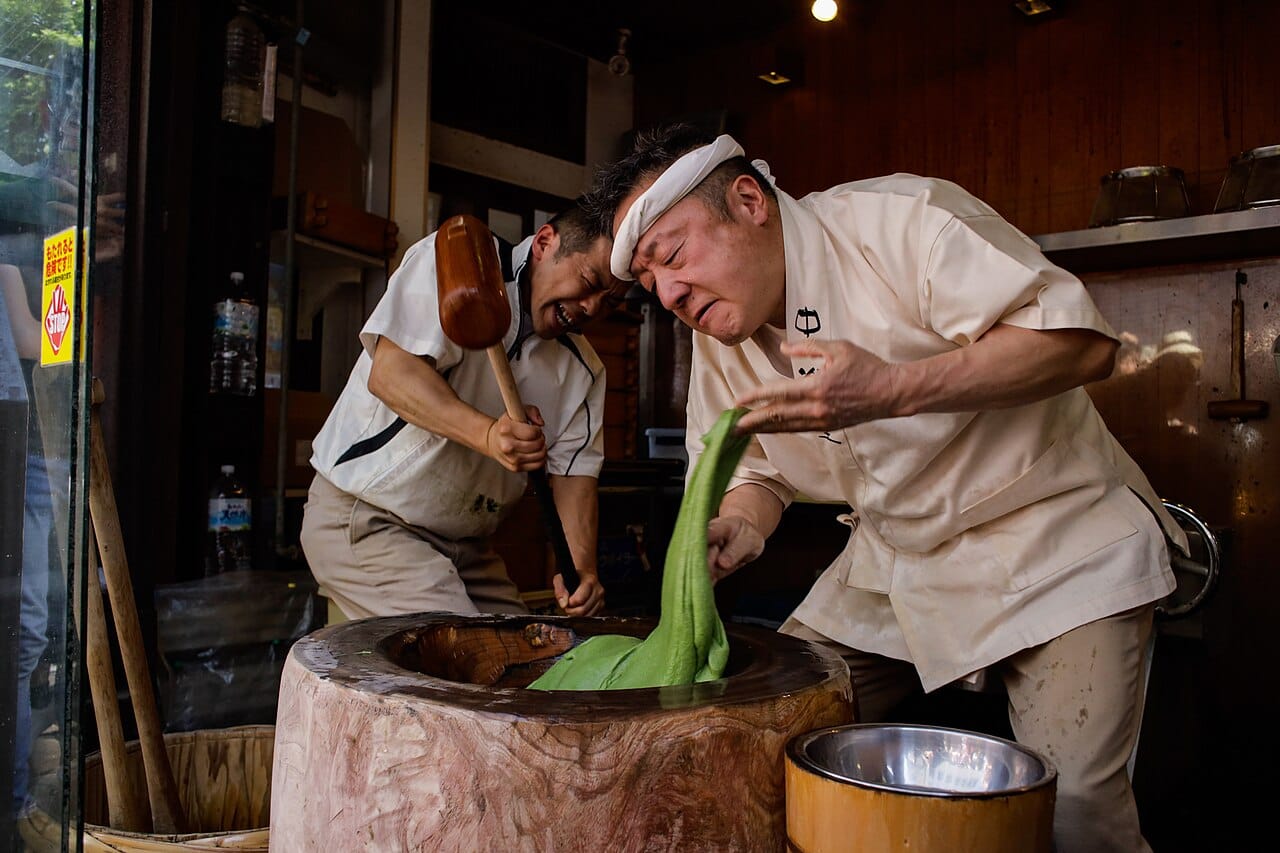
Mochi pounded at lightning speed

Sanjo-dori

At Nakatanidou near Sanjo-dori, staff pound sticky yomogi (mugwort) mochi in a blur of mallets that draws a crowd — grab one warm, dusted in kinako, straight from the show. A cheap, delicious street snack.

Where to stay in Nara

Tap a vibe, or pick a few things above and we’ll find the closest area.

Pick a vibe above, or tap a few things to do — the best area to stay appears here.

Find cheap flights to Nara

🏨 Checking a specific hotel?

Type its name and I’ll tell you what area it’s in and how far it is from your picks.

Everything about NaraThings to do, other areas, day trips, weather

Things to do — all 19

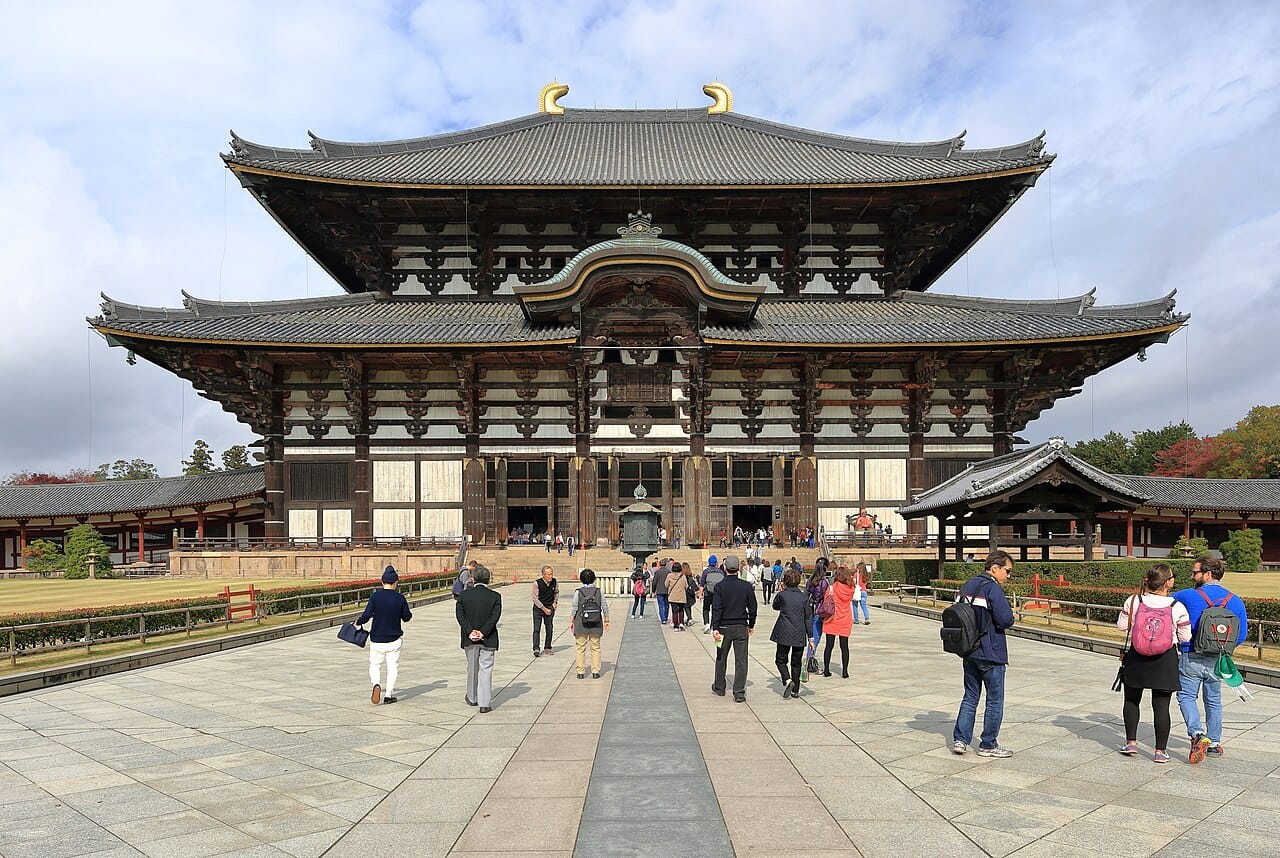
  1. Todai-ji & the Great Buddha

    One of the world's largest wooden buildings, sheltering a colossal 15-metre bronze Buddha cast in 752 — awe on a scale nothing prepares you for. Squeeze through the 'Buddha's nostril' pillar for luck; the essential Nara sight.

    ~¥800Nara Park & Kasuga
  2. Nara Park & the deer

    Over a thousand tame sika deer wander the vast park, considered sacred messengers — feed them crackers, watch them bow, and stroll the lawns between the temples. Free, magical and unlike anywhere else; the image everyone brings home.

    FreeNara Park & Kasuga
  3. Kasuga Taisha

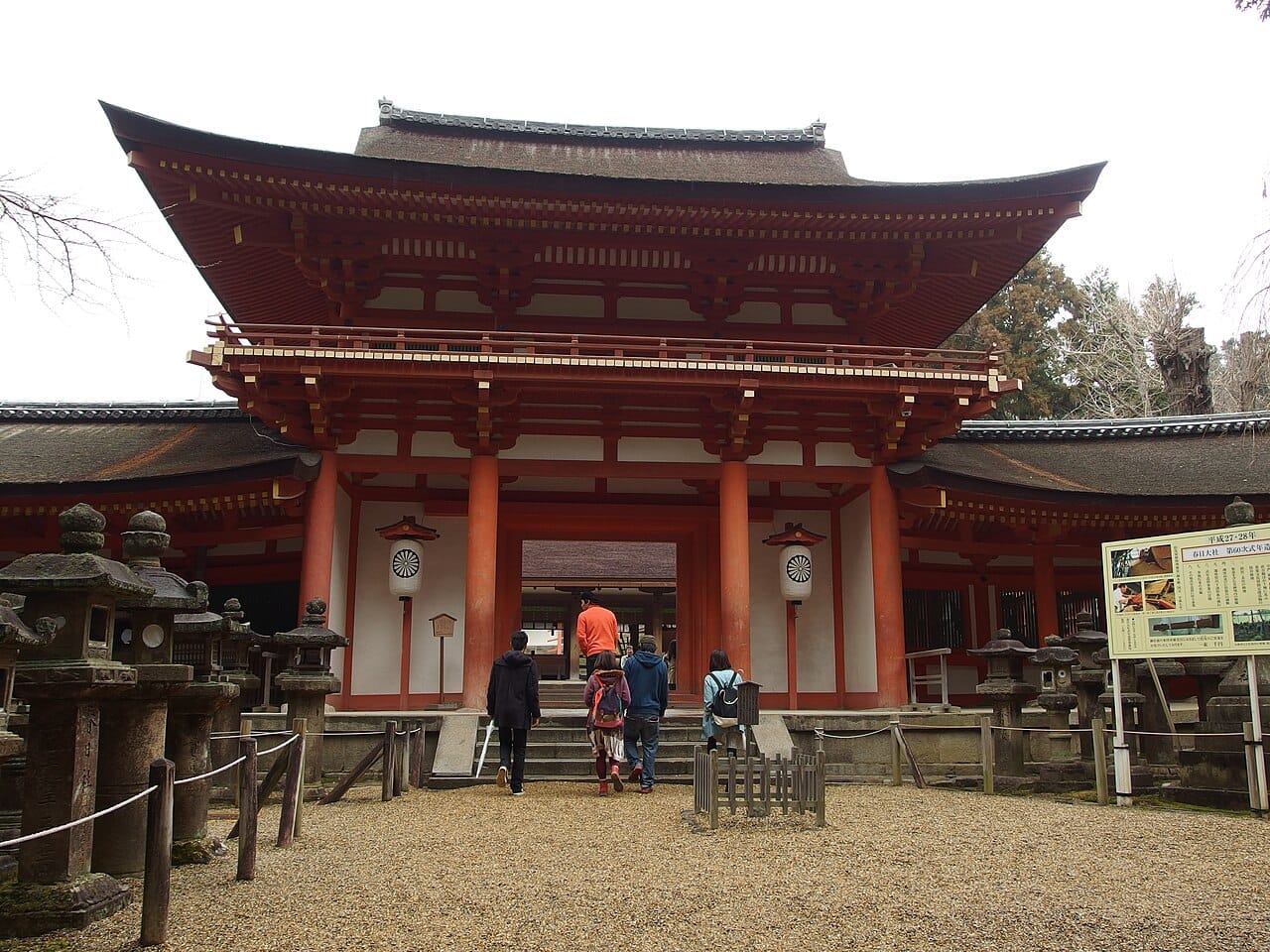
    Nara's grand vermilion shrine at the foot of the sacred forest, famous for thousands of bronze and stone lanterns lining its approaches and halls. Deeply atmospheric, especially when the lanterns are lit for the festivals.

    Inner hall ~¥500Nara Park & Kasuga
  4. Kofuku-ji & the five-story pagoda

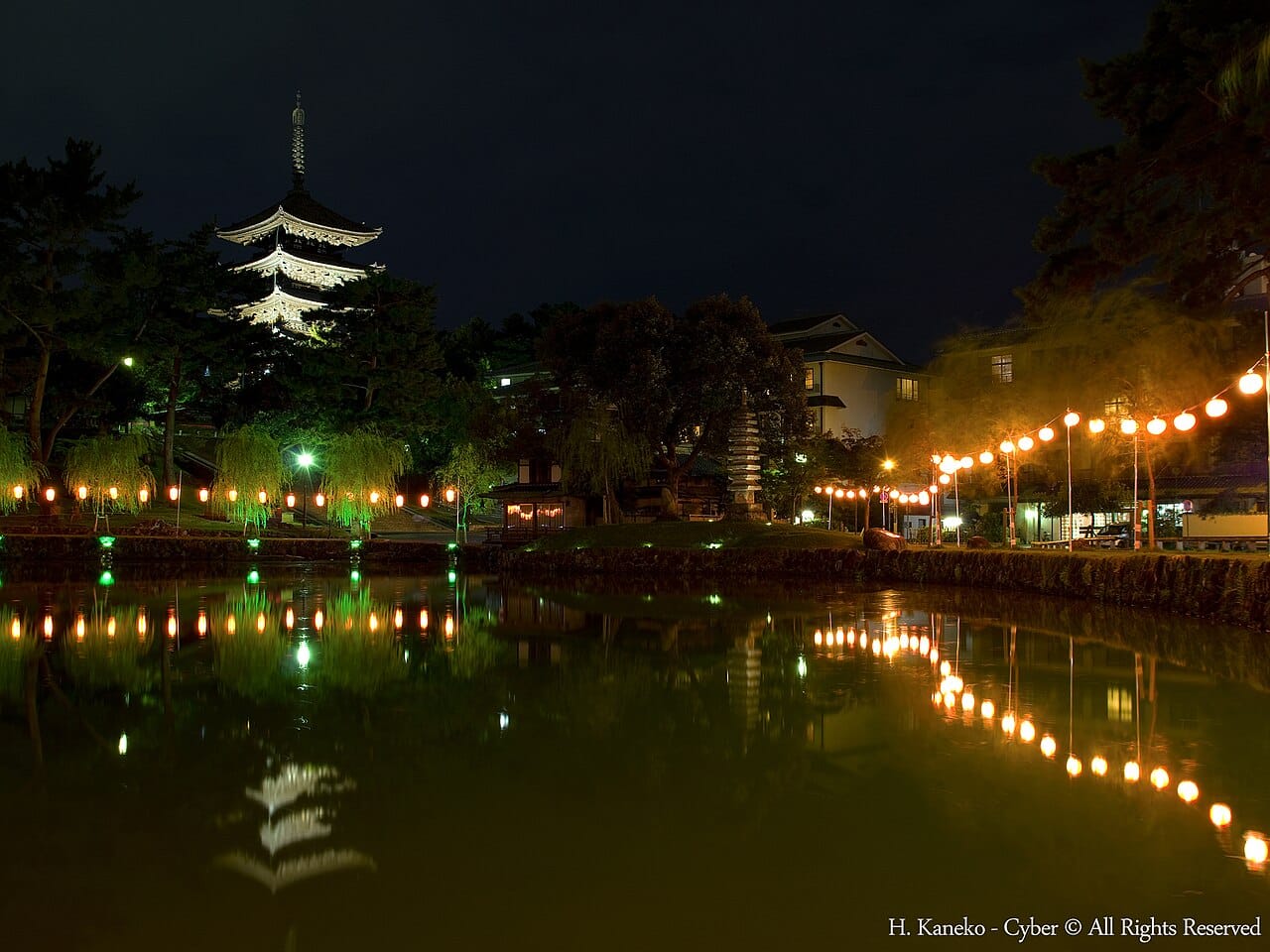
    The great temple beside the centre, its five-story pagoda a symbol of Nara reflected in Sarusawa pond, with a superb hall of national-treasure Buddhist sculpture. Central, free to wander, and beautiful at dusk.

    Treasure hall ~¥700Kintetsu-Nara & JR Nara
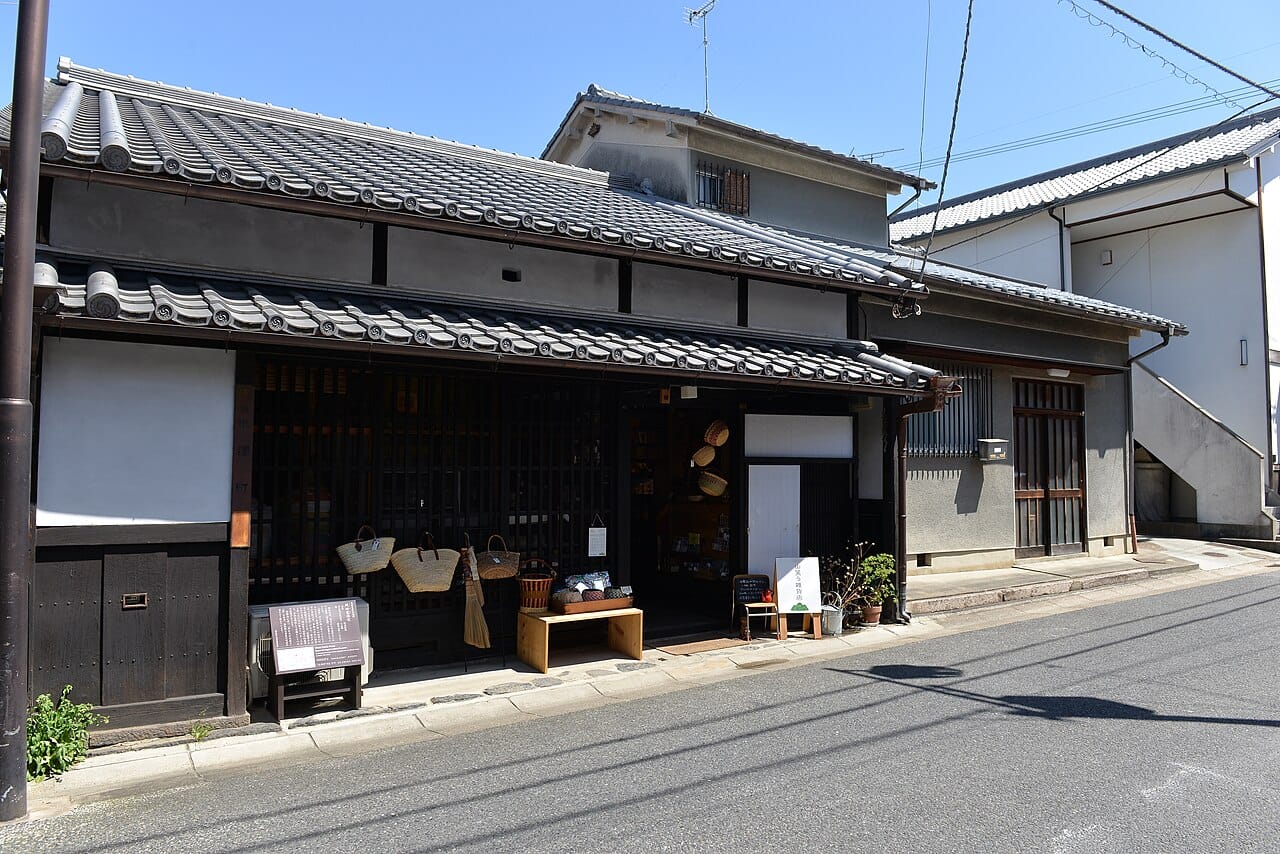
  5. Naramachi old town

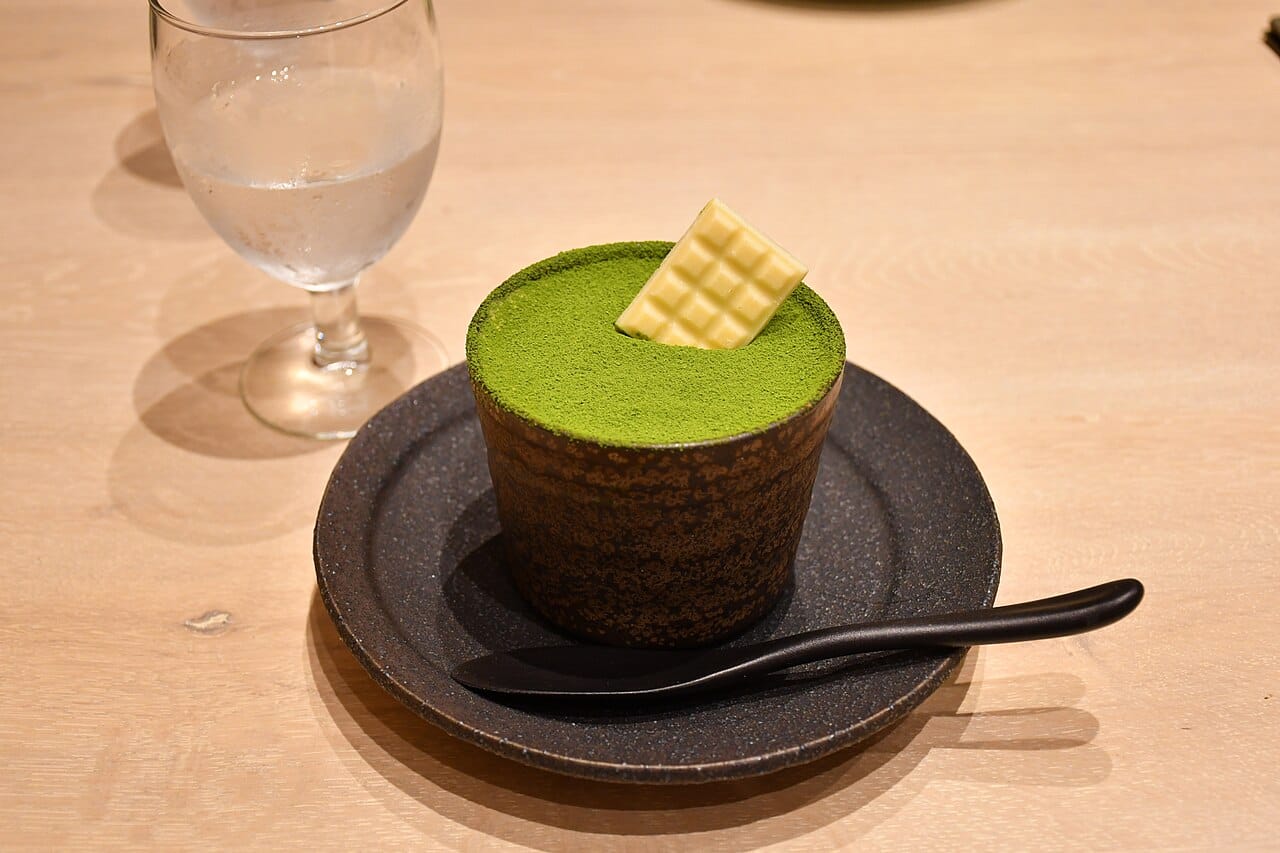
    A grid of narrow lanes lined with dark-timber merchant houses, now craft shops, tearooms and tiny museums — the everyday, human-scale Nara behind the monuments. Lovely for an aimless wander and a matcha stop.

    FreeNaramachi
  6. Isuien Garden

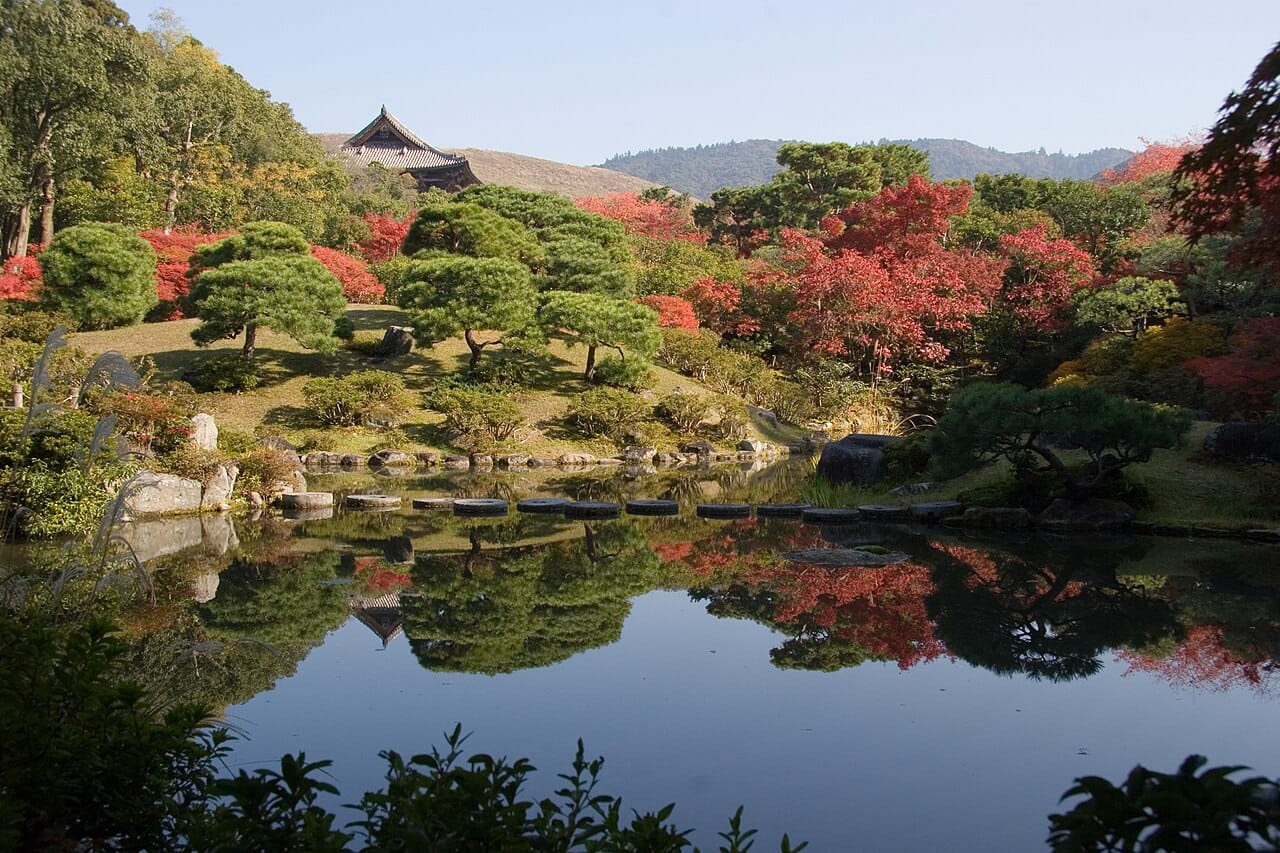
    An exquisite strolling garden that 'borrows' the distant temple gate and hills as its backdrop, with ponds, tea houses and moss. A serene, beautifully composed hour, and a small museum of ancient art alongside.

    ~¥1,200Nara Park & Kasuga
  7. Mount Wakakusa

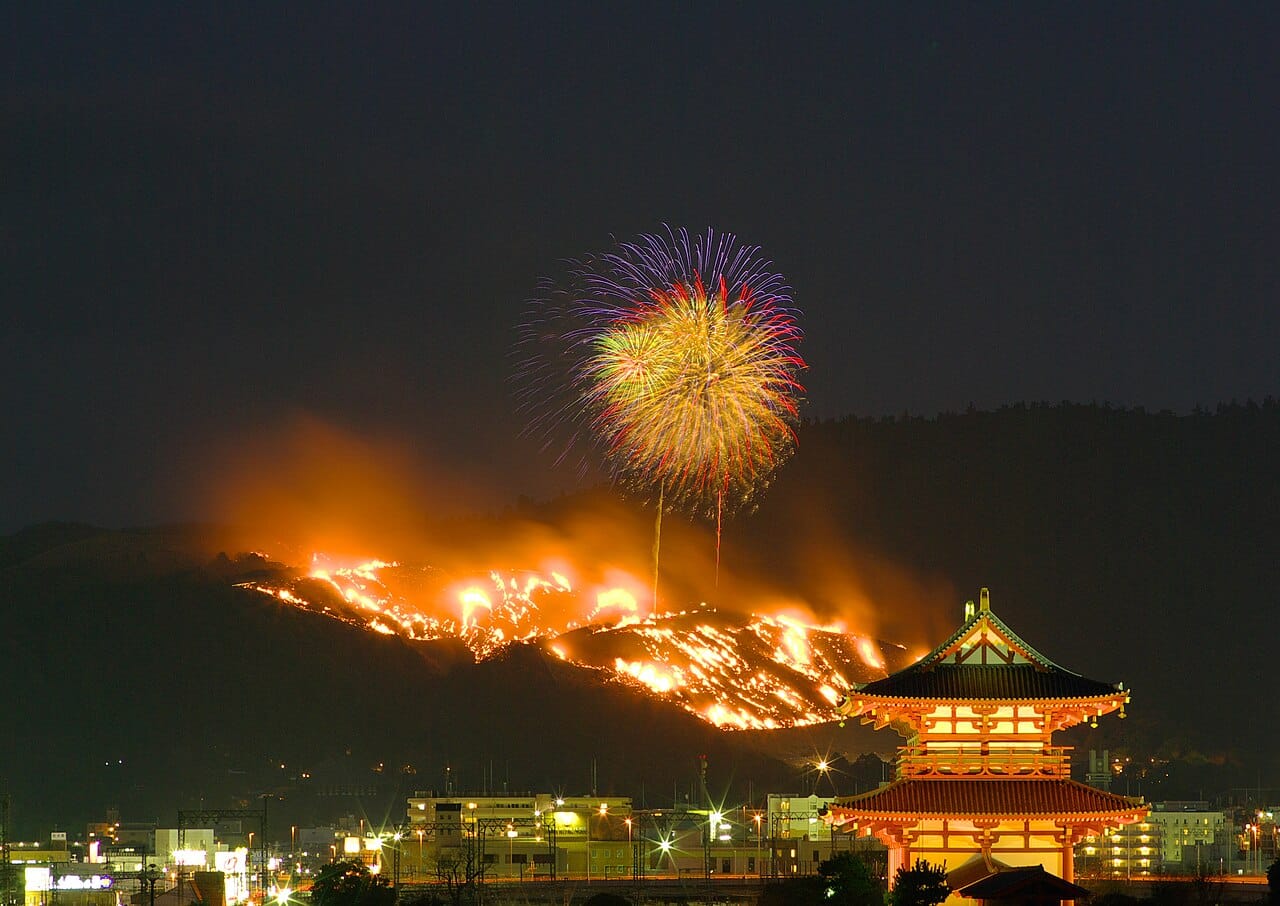
    The grassy hill rising behind the park — a short, steep climb (in season) to a panorama over Nara's temples and the plain, with deer grazing the slopes. The city's best view and a fine picnic spot.

    ~¥150Nara Park & Kasuga
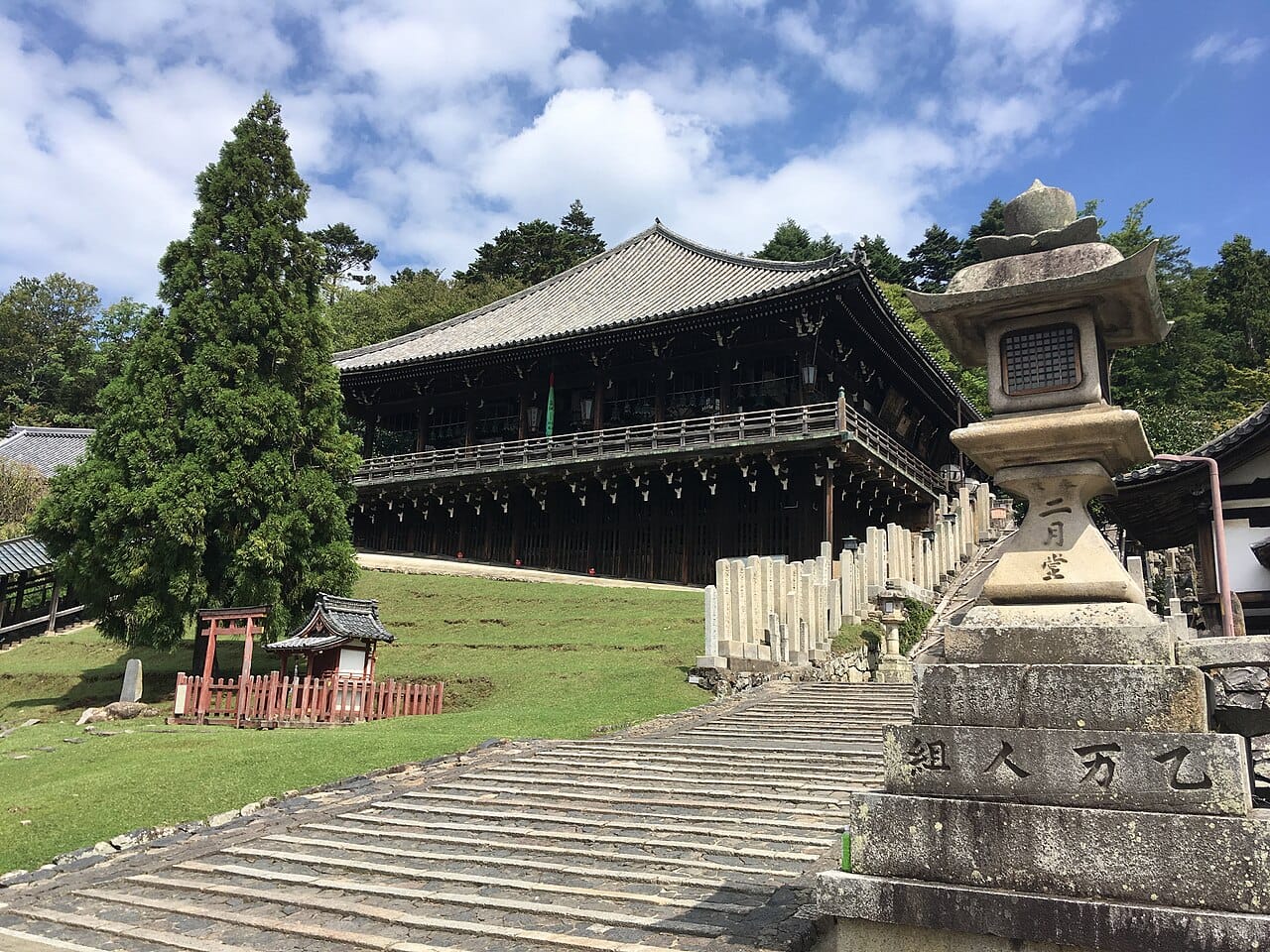
  8. Nigatsu-do Hall

    A wooden hall of Todai-ji perched on the hillside, its veranda giving a free, sweeping view over the Great Buddha Hall and the city to the sunset. Quiet, uphill and worth the short climb; the setting of the Omizutori fire ritual.

    FreeNara Park & Kasuga
  9. Nara National Museum

    The country's finest collection of Buddhist art, superbly displayed in the park — statues, scrolls and ritual objects spanning centuries. The best place to make sense of what you're seeing in the temples; a serene rainy-day choice.

    ~¥700Nara Park & Kasuga
  10. Yoshikien Garden

    Three small gardens in one — pond, moss and tea-ceremony flowers — tucked beside Isuien and often overlooked, so blissfully quiet. Free to foreign visitors and a lovely, calm counterpoint to the busy park.

    FreeNara Park & Kasuga
  11. Gango-ji

    A World Heritage temple hidden in Naramachi, one of Japan's oldest, with a roof still tiled in 1,300-year-old ceramics brought from the first capital. Small, ancient and deeply peaceful; the seed the whole old town grew around.

    ~¥500Naramachi
  12. Kasuga primeval forest walk

    Behind Kasuga Taisha lies a sacred forest untouched for over a thousand years — quiet trails through giant cedars and stone-lantern paths, cool even in summer. A wild, contemplative walk few day-trippers find.

    FreeNara Park & Kasuga
  13. Horyu-ji

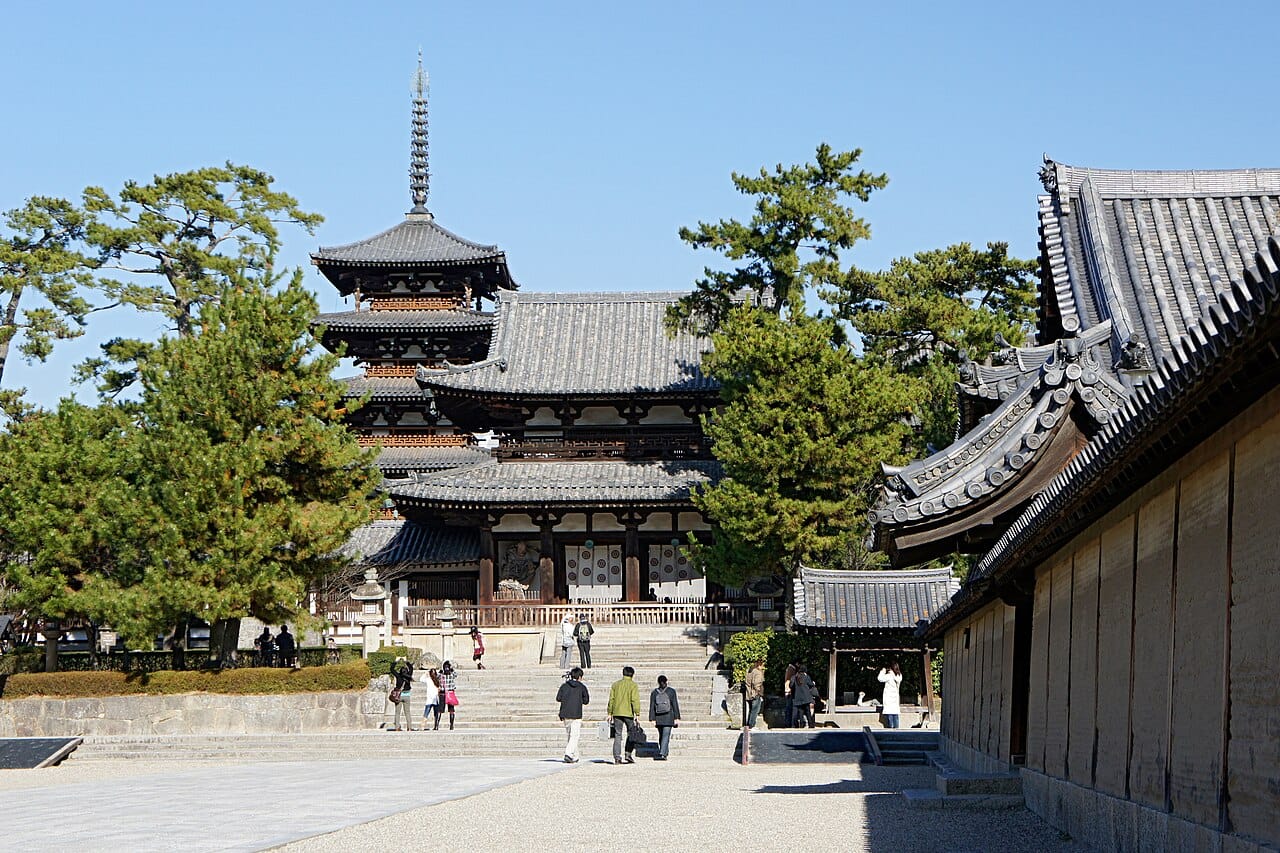
    A short trip west, these are the oldest wooden buildings on earth — a 7th-century temple complex and Japan's first World Heritage Site, its pagoda and hall standing over 1,300 years. A pilgrimage for anyone serious about history.

    ~¥1,500Kintetsu-Nara & JR Nara
  14. Nakatanidou mochi pounding

    The famous shop where staff pound mugwort mochi at astonishing speed to a gathering crowd — grab one warm and soft, dusted in sweet soy flour, straight off the mallet. A tasty, free bit of street theatre.

    ~¥150Naramachi
  15. Nara flavours — kakinoha-zushi & sake

    Nara is the birthplace of Japanese sake and of kakinoha-zushi, sushi wrapped in persimmon leaves — try both in Naramachi, with kudzu sweets and Nara-zuke pickles. A gentle, distinctive taste of the old capital.

    €€Naramachi
  16. Mount Yoshino

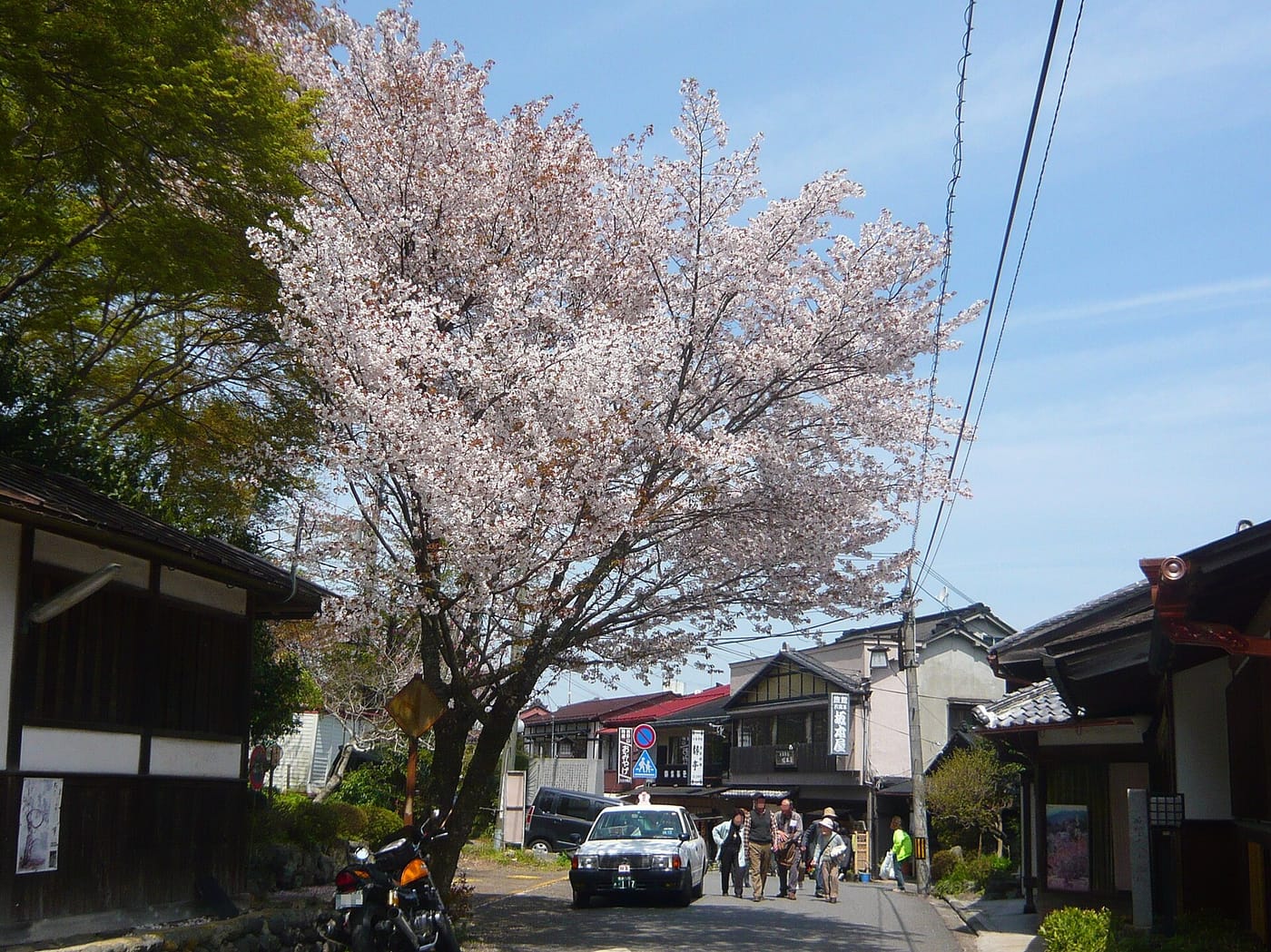
    Japan's most famous cherry-blossom mountain, south of the city — 30,000 trees washing the slopes in pink each spring, with temples and trails among them. Time it right and it's magic.

    CheapKintetsu-Nara & JR Nara
  17. Yakushi-ji

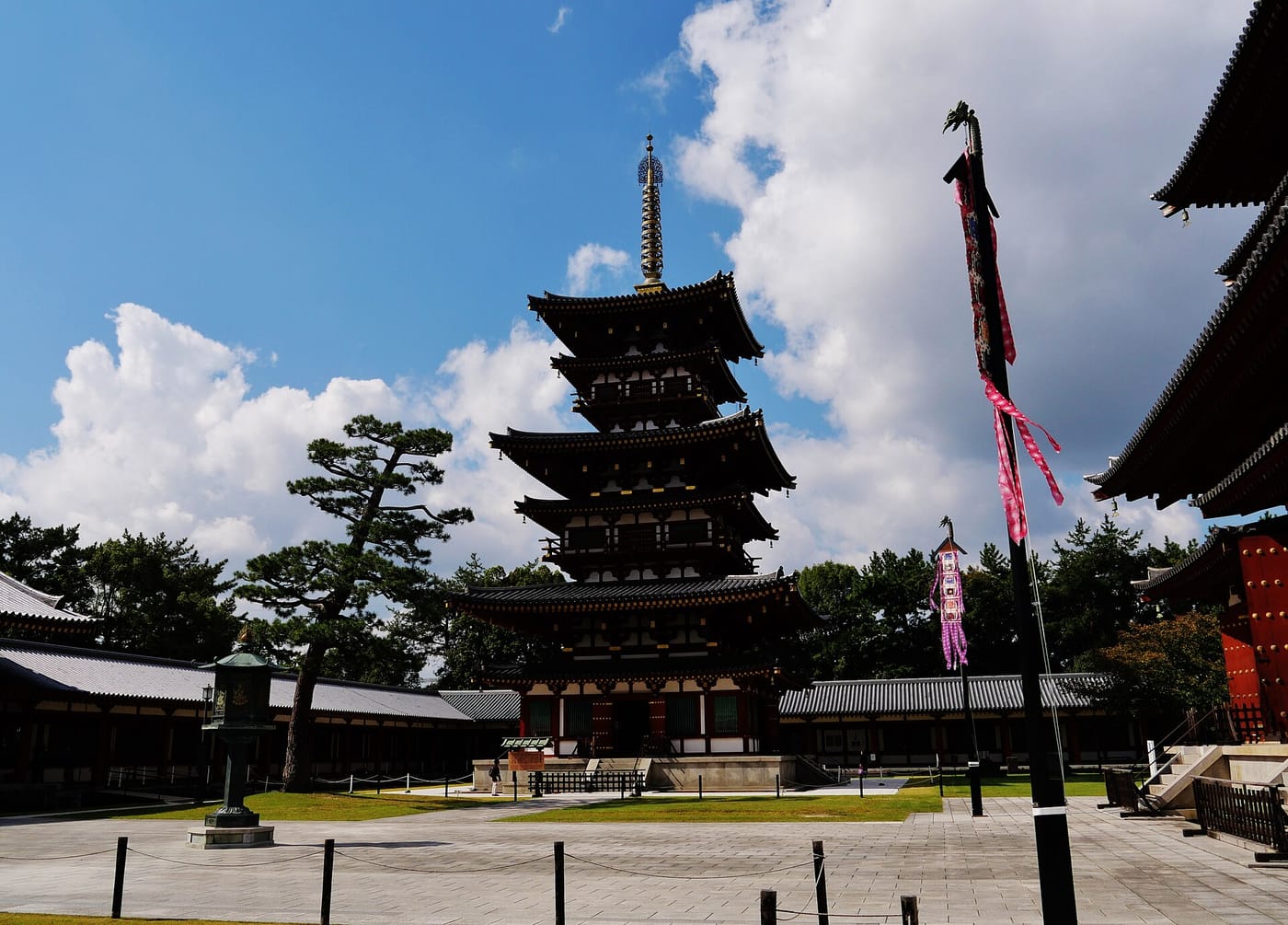
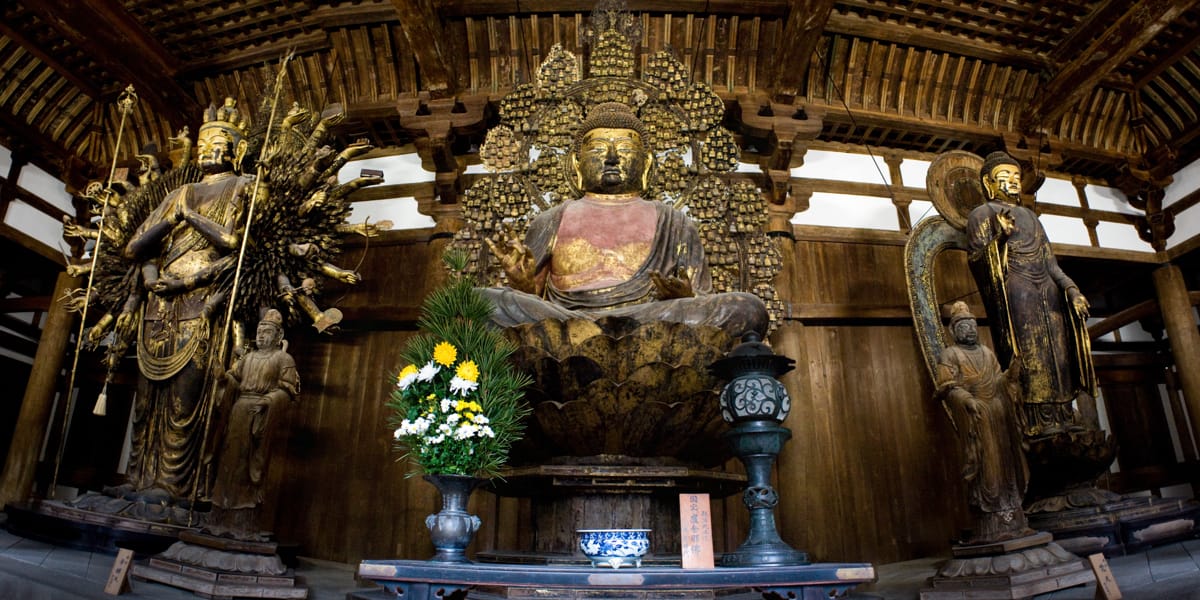
    A serene UNESCO temple west of the centre with a beautiful 1,300-year-old pagoda and golden Buddhas — one of the oldest and loveliest in Japan, and far quieter than Todai-ji.

    CheapKintetsu-Nara & JR Nara
  18. Tōshōdai-ji

    A tranquil temple founded by a blind Chinese monk who crossed the sea to bring Buddhism to Japan — a sublime main hall and mossy grounds. Deeply peaceful, rarely crowded.

    CheapKintetsu-Nara & JR Nara
  19. Heijō Palace

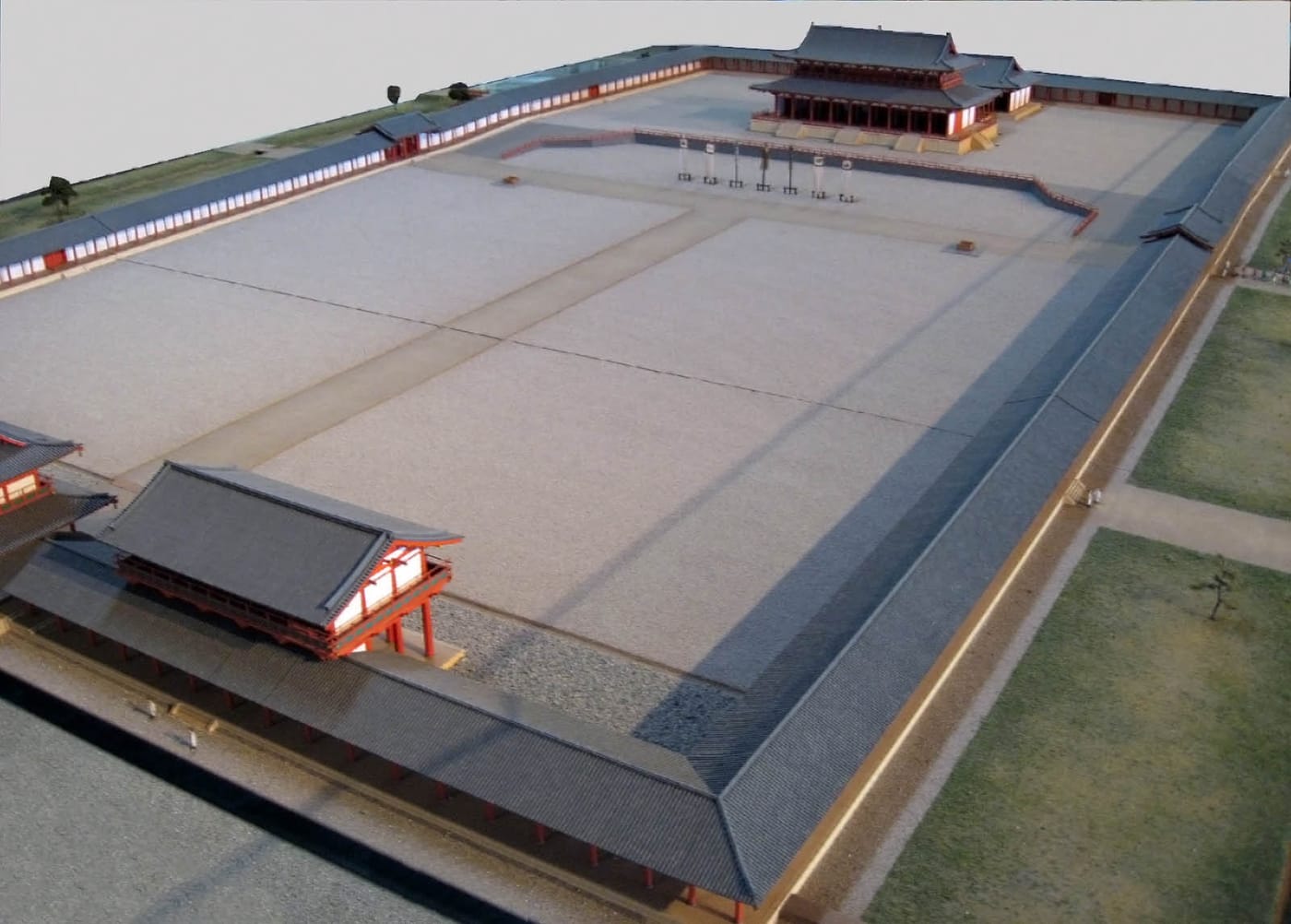
    The vast site of Japan's first great capital, with reconstructed gates and halls rising from the fields — a window onto 8th-century Nara. Free, open and atmospheric.

    FreeKintetsu-Nara & JR Nara

Other areas to stay

Prices are relative to Japan, a mid-range country.

Streets of Nara Park & Kasuga, Nara
1/6
€180–370/night

Park & temples

The centre

Nara Park & Kasuga

The green heart where the deer roam and the great temples stand — Todai-ji, Kasuga, the gardens and the museum, all on foot. The most atmospheric base, walkable to everything; book ahead as rooms are few.

€180–370/ night
high for the country · typical

What’s here

  • Todai-ji & the Great Buddha
  • Nara Park & the deer
  • Kasuga Taisha
  • Isuien Garden
  • Mount Wakakusa
  • Nigatsu-do Hall
  • Nara National Museum
  • Yoshikien Garden
  • Kasuga primeval forest walk
Explore Nara Park & Kasuga →
Streets of Naramachi, Nara
1/4
€100–180/night

Old merchant town

5 min · 1 km

Naramachi

The former merchant quarter south of the centre — lattice-fronted machiya townhouses now holding cafés, craft shops and small museums. Quiet, characterful and very walkable; a charming, more local base a few minutes from the park.

€100–180/ night
mid for the country · typical

What’s here

  • Naramachi old town
  • Gango-ji
  • Nakatanidou mochi pounding
  • Nara flavours — kakinoha-zushi & sake
Explore Naramachi →
Streets of Kintetsu-Nara & JR Nara, Nara
1/6
€100–180/night

Around the stations

5 min · 1.2 km

Kintetsu-Nara & JR Nara

The transport hub between the two rail stations — the widest choice of hotels, shops and the Sanjo-dori arcade, a 10-minute walk to the park. Practical, well-priced and the easy base for day trips and late arrivals.

€100–180/ night
mid for the country · typical

What’s here

  • Kofuku-ji & the five-story pagoda
  • Horyu-ji
  • Mount Yoshino
  • Yakushi-ji
  • Tōshōdai-ji
  • Heijō Palace
Explore Kintetsu-Nara & JR Nara →

Worth knowing: Almost everything sits within walking distance east of the two central stations, so a day trip works — but staying over gives you the park at dawn and dusk without the day-trip crowds. Kyoto and Osaka are each under an hour by train.

Day trips

Kyoto

City

45 min away

Japan's temple capital, under an hour north by train — the golden pavilion, geisha districts and a thousand shrines. Many pair Nara and Kyoto; Nara makes a calmer, cheaper base to see both.

Low · ~¥760Low price for this country, ~¥760

Train

Osaka

City

40 min away

Japan's kitchen and its most exuberant nightlife, 40 minutes west — neon Dotonbori, street food and the castle. An easy evening or day out from quiet Nara.

Low · ~¥570Low price for this country, ~¥570

Train

Mount Yoshino

Nature

1.3 hrs away

Japan's most famous cherry-blossom mountain, its slopes clad in 30,000 trees that bloom in waves each spring, with temples and trails. Glorious in April; a peaceful hike the rest of the year.

Low · ~¥1,000Low price for this country, ~¥1,000

Train

Weather & about

Best time to go

Late March to May and October to November — cherry blossom and then autumn colour, mild and clear. Summers are hot and humid; winters cold but crisp.

Cheapest: Early December and the winter weeks avoid the blossom and autumn-leaf crowds and prices, with atmospheric quiet around the temples.

Pick your dates above and we’ll tell you exactly what the weather does then.

October

22° / 13°C

Wet

Mixed
Best weather
Late March to May and October to November — cherry blossom and then autumn colour, mild and clear. Summers are hot and humid; winters cold but crisp.
Best value
Early December and the winter weeks avoid the blossom and autumn-leaf crowds and prices, with atmospheric quiet around the temples.
Best events
Late January for the Wakakusa grass-burning, early March for the Omizutori fire ritual, mid-August for the Tokae lantern festival.

Nara was Japan's first permanent capital, 1,300 years ago, and it still holds the country's deepest layer of history — a compact city where more than a thousand tame sika deer roam a great park among some of the oldest and grandest temples on earth. At its heart is Todai-ji, a colossal wooden hall sheltering a 15-metre bronze Buddha; around it are a UNESCO cluster of shrines, pagodas and gardens, and the lantern-lit paths of Kasuga. Smaller and gentler than Kyoto and easily seen in a day from Osaka or Kyoto, Nara rewards those who slow down — an early morning with the deer and the Daibutsu, before the coaches arrive, is one of Japan's quiet wonders.

Know a spot only locals know?

Add it and help the next traveller plan like they’ve got a friend in town.

+ Suggest a hidden spot

Last updated 31 August 2026. Cities are refreshed, not written once.