Tram 28, early or late
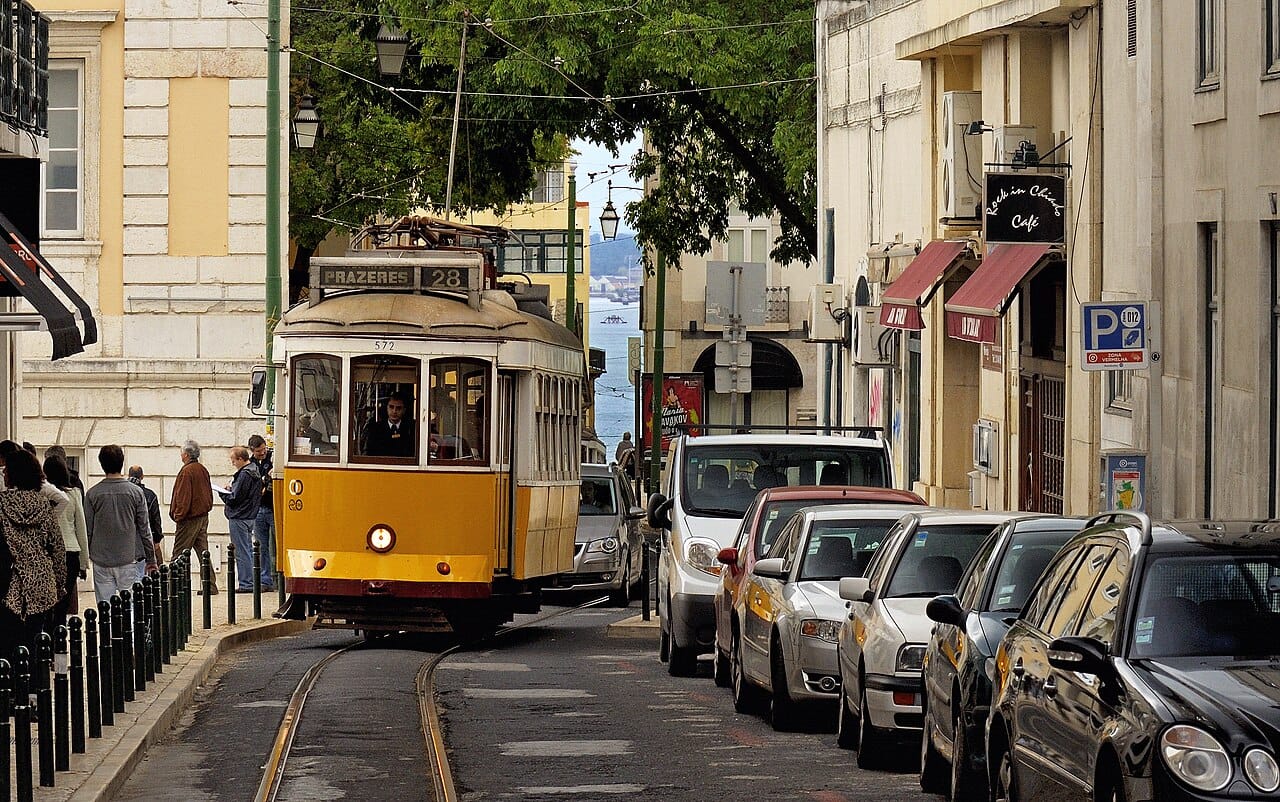
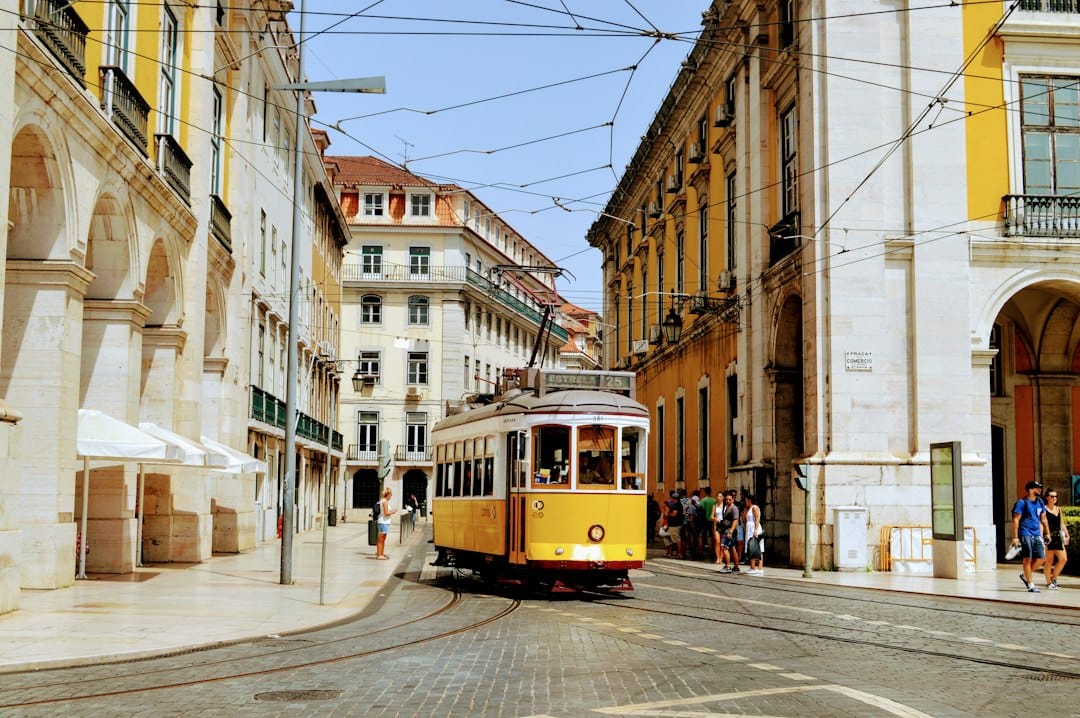
A 1930s wooden tram that happens to trace the city's greatest-hits route — Graça, Alfama, Baixa, Estrela. Ride it before 9am or after 8pm; midday it's a pickpocket sauna with a queue.
The best of Lisbon — tap the ones you fancy and your plan builds around them.
Pick the kind of area — we’ll put you in the right neighbourhood.
Type its name and I’ll tell you what area it’s in and how far it is from your picks.
A 1930s wooden tram that happens to trace the city's greatest-hits route — Graça, Alfama, Baixa, Estrela. Ride it before 9am or after 8pm; midday it's a pickpocket sauna with a queue.
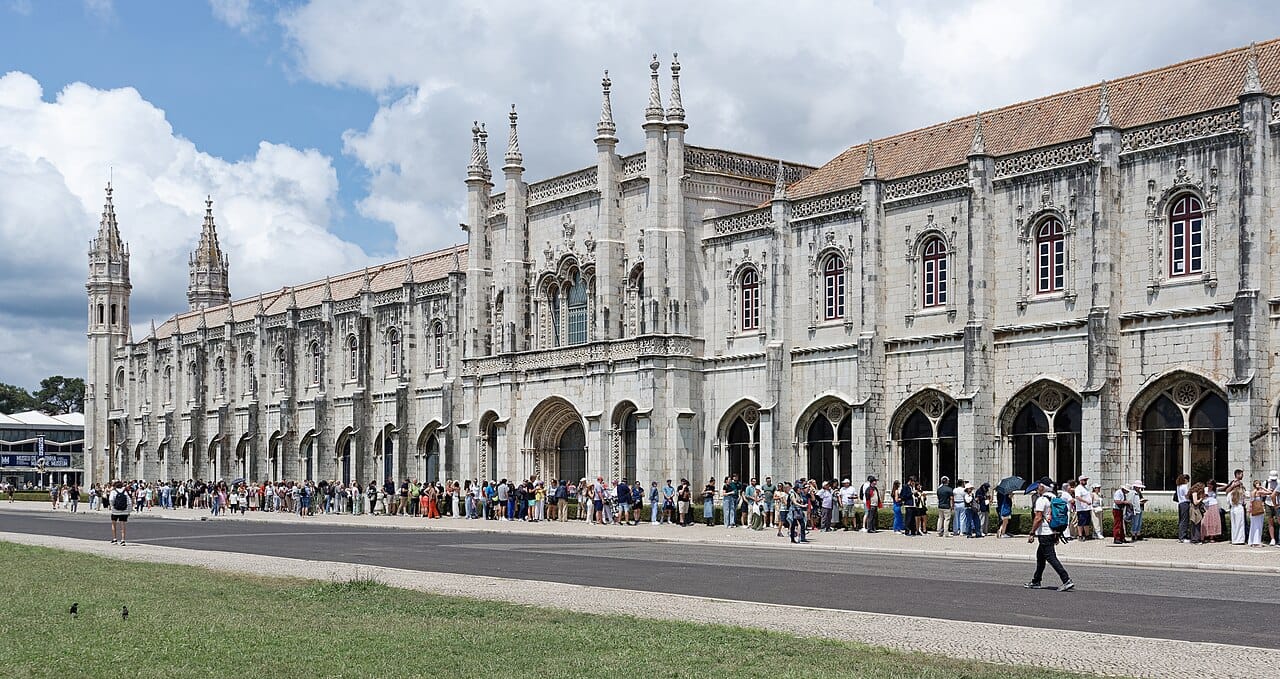
Manueline stone carved like rope and coral, paid for with pepper money, holding Vasco da Gama's tomb. The cloister is the single most beautiful room in Portugal — book online and go at opening.
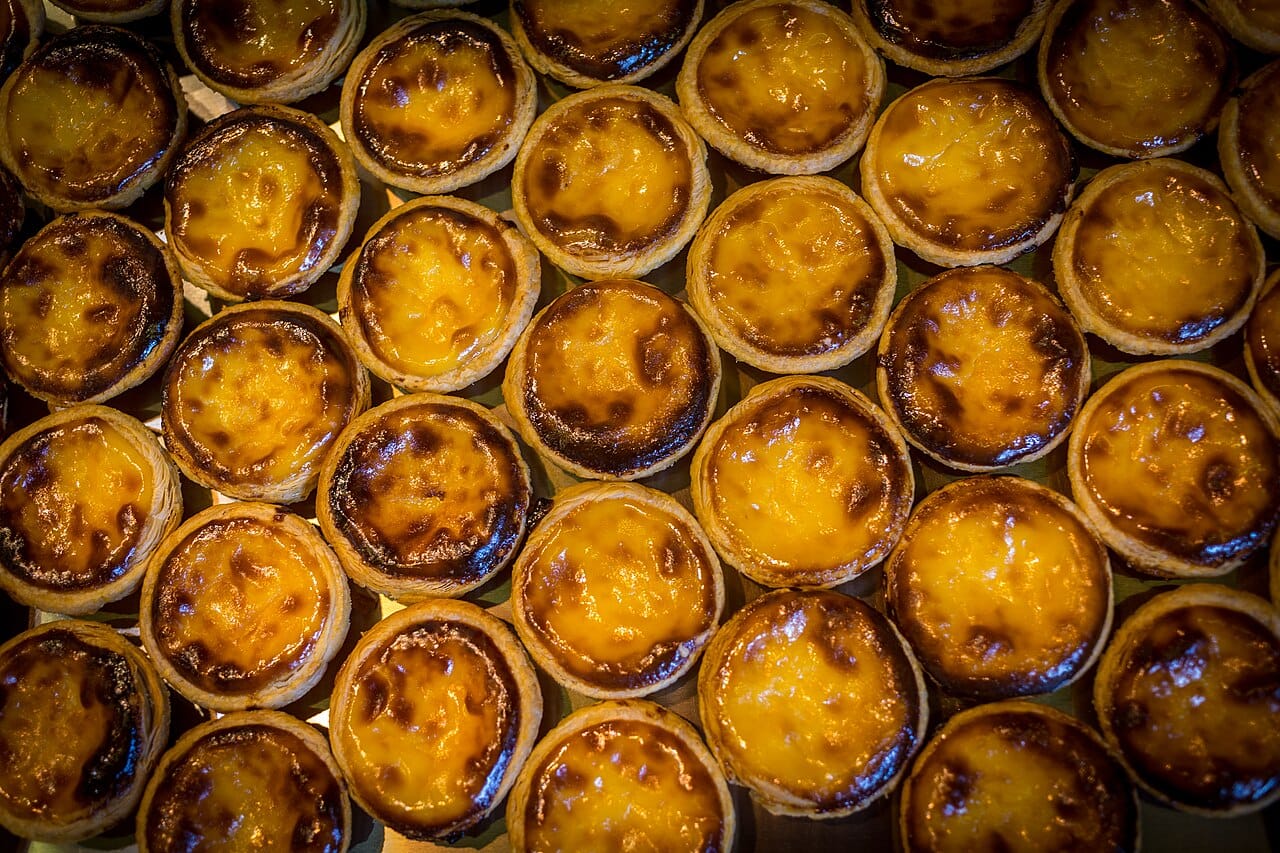
The original custard tart, made to a sealed recipe since 1837, still warm, cinnamon on top. The takeaway queue moves fast — or sit in the blue-tiled warren inside. Two minimum; you'll want three.
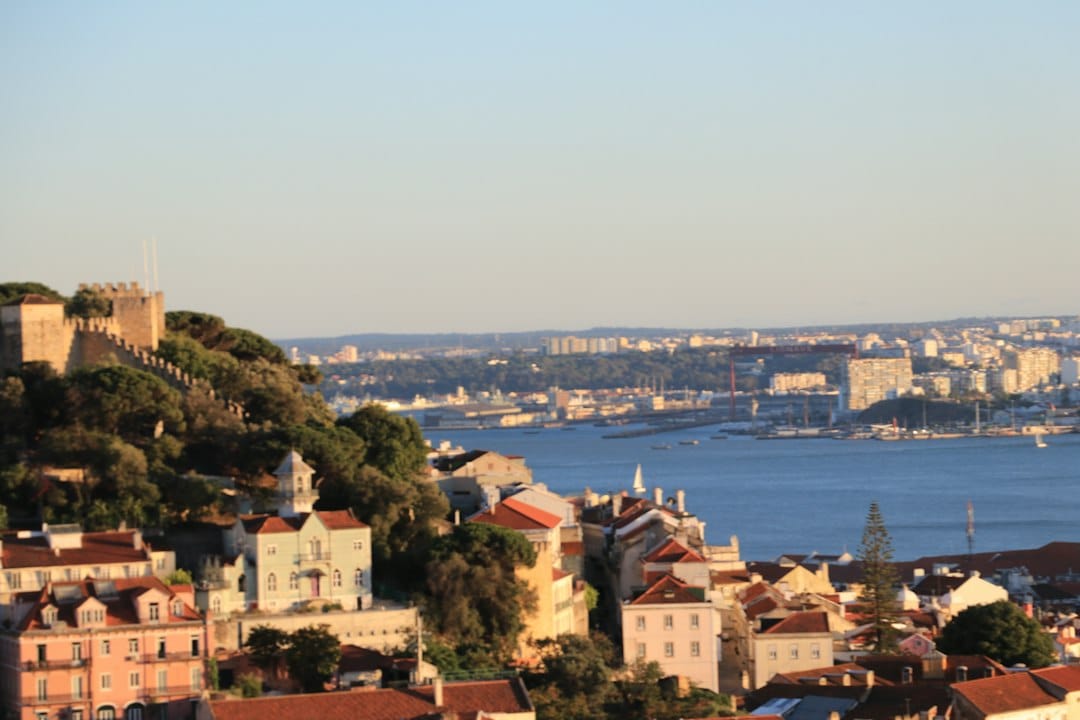
Moorish ramparts on the highest hill, peacocks in the pines, and the whole city-and-river laid out below. It's the view that explains Lisbon's geography — go at 9am before the buses beat you to it.
Portugal's blues, sung at close range while you eat — when the lights dim and the room goes silent, you'll understand saudade without translation. Skip the dinner-show barns; find a tasca where locals shush you.
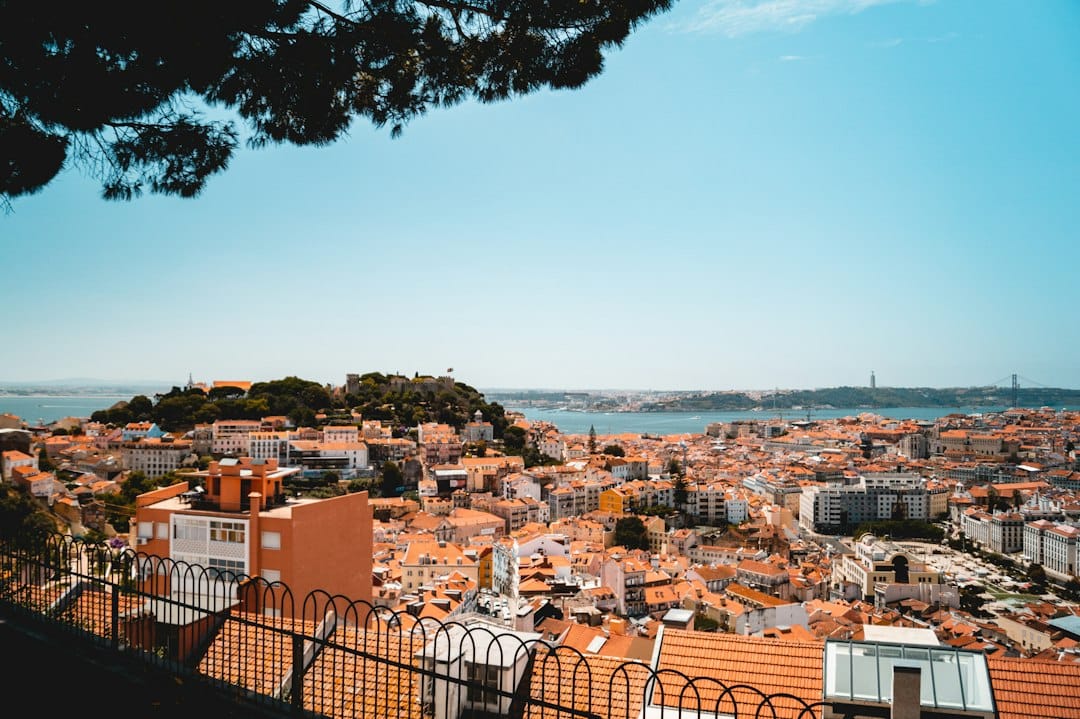
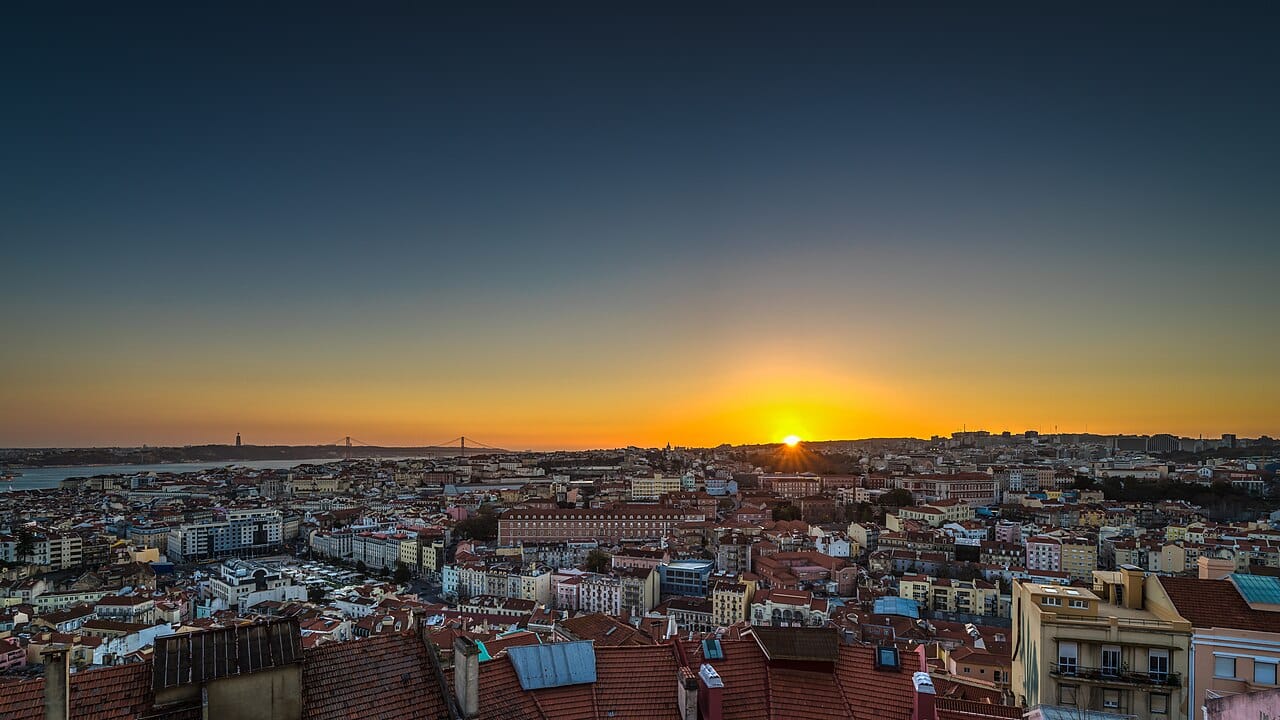
The highest miradouro and the locals' favourite — castle, river and bridge in one frame as the light goes gold. Someone's selling cold drinks; someone's playing guitar. This is the Lisbon evening, free of charge.
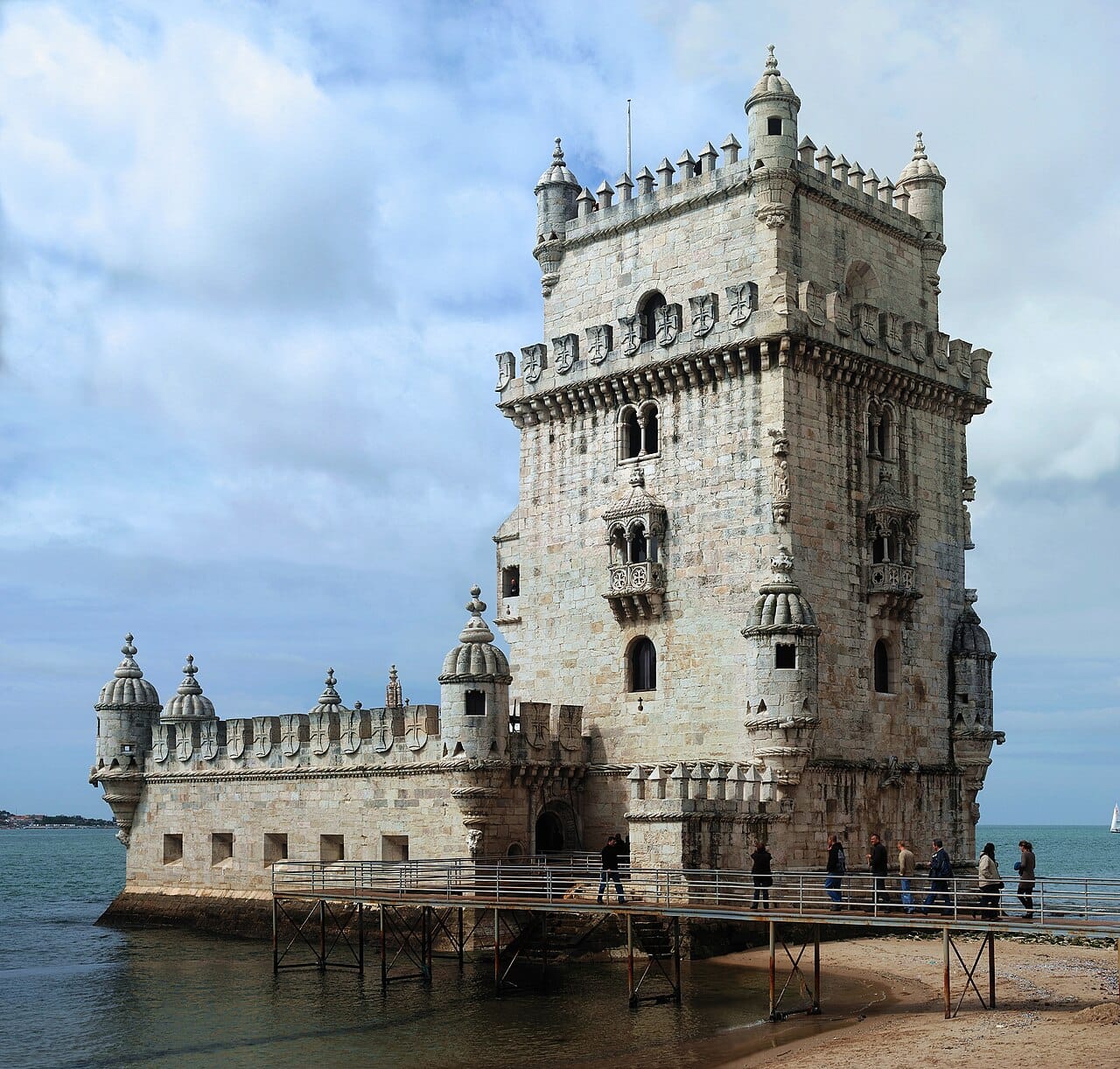
The fortified lighthouse that waved the explorers off — Manueline stone lace standing in the river. Seeing it from the water's edge at golden hour is the point; going inside is optional.
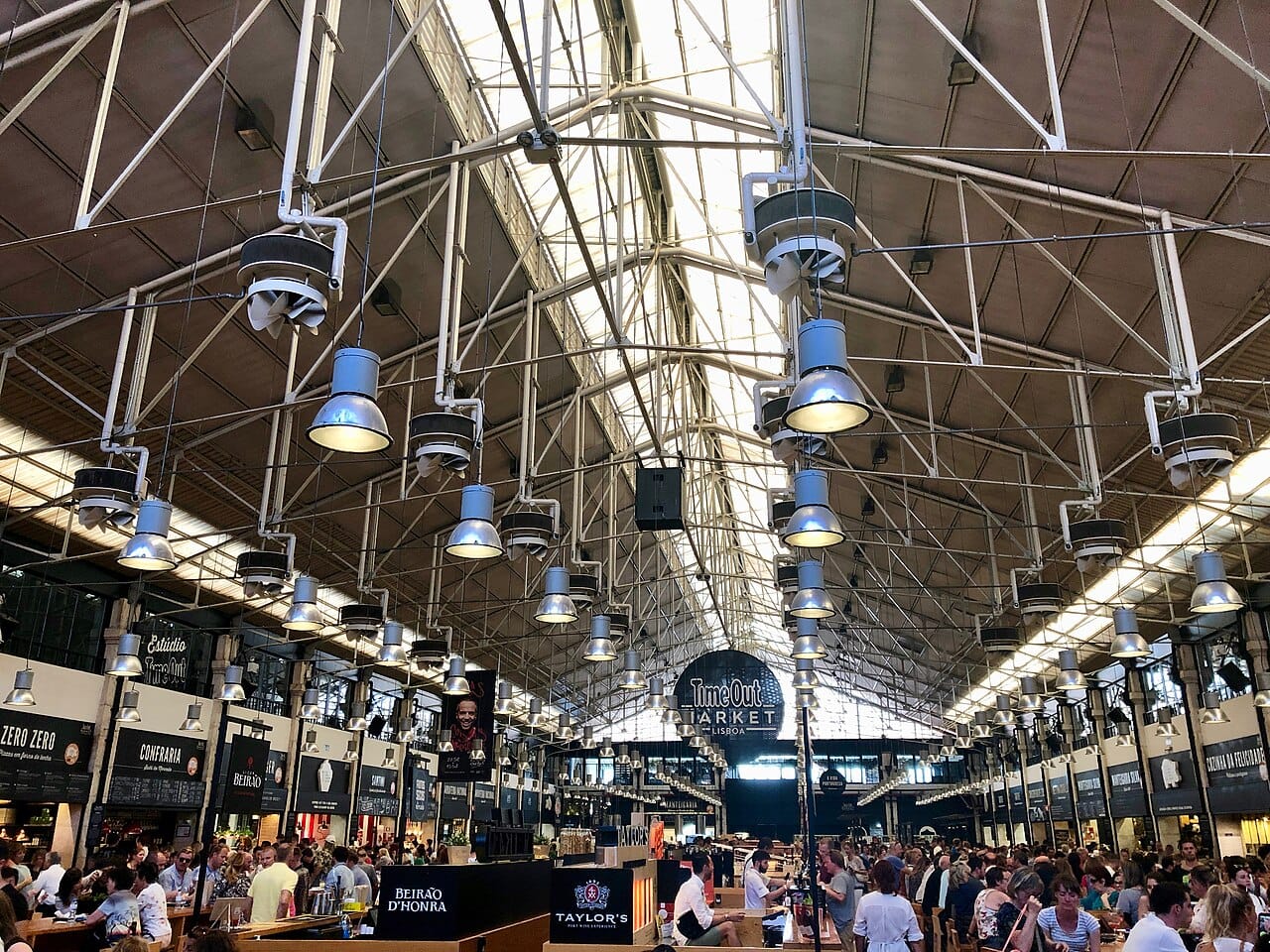
Lisbon's best chefs condensed into one food hall. Yes it's touristy; it's also genuinely good. Go at 11:30 or after 22:00, split up to order from different counters, meet at a shared table.
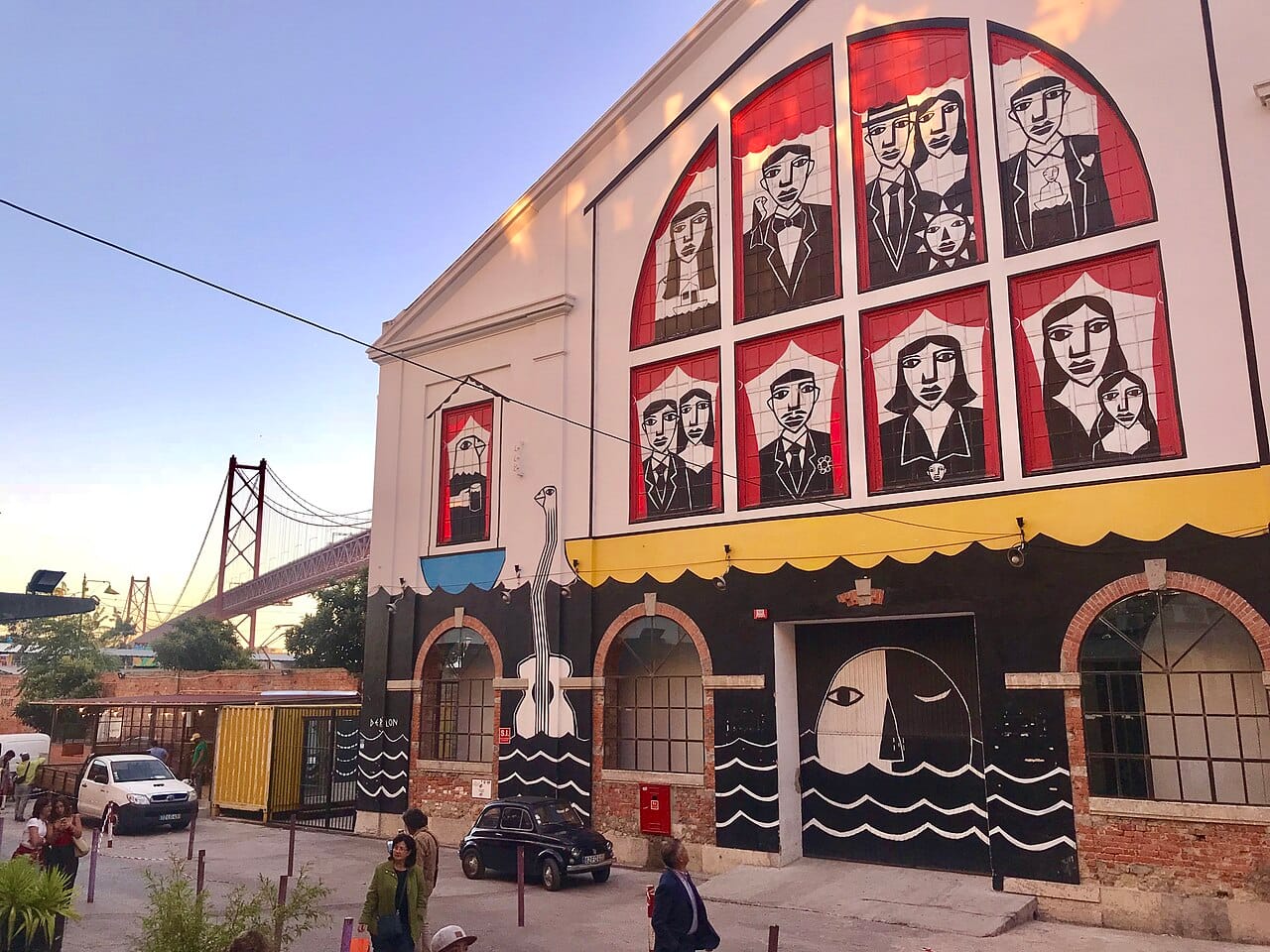
A 19th-century industrial complex under the bridge, reborn as bookshops, studios and rooftop bars — including a bookstore built inside a former printing works that people cross town for. Sunday brings a small makers' market.
The 'thieves' market' has run since the 13th century — azulejo tiles, vinyl, medals, junk and treasure on blankets behind the Pantheon. Tuesdays and Saturdays, mornings; haggle gently.
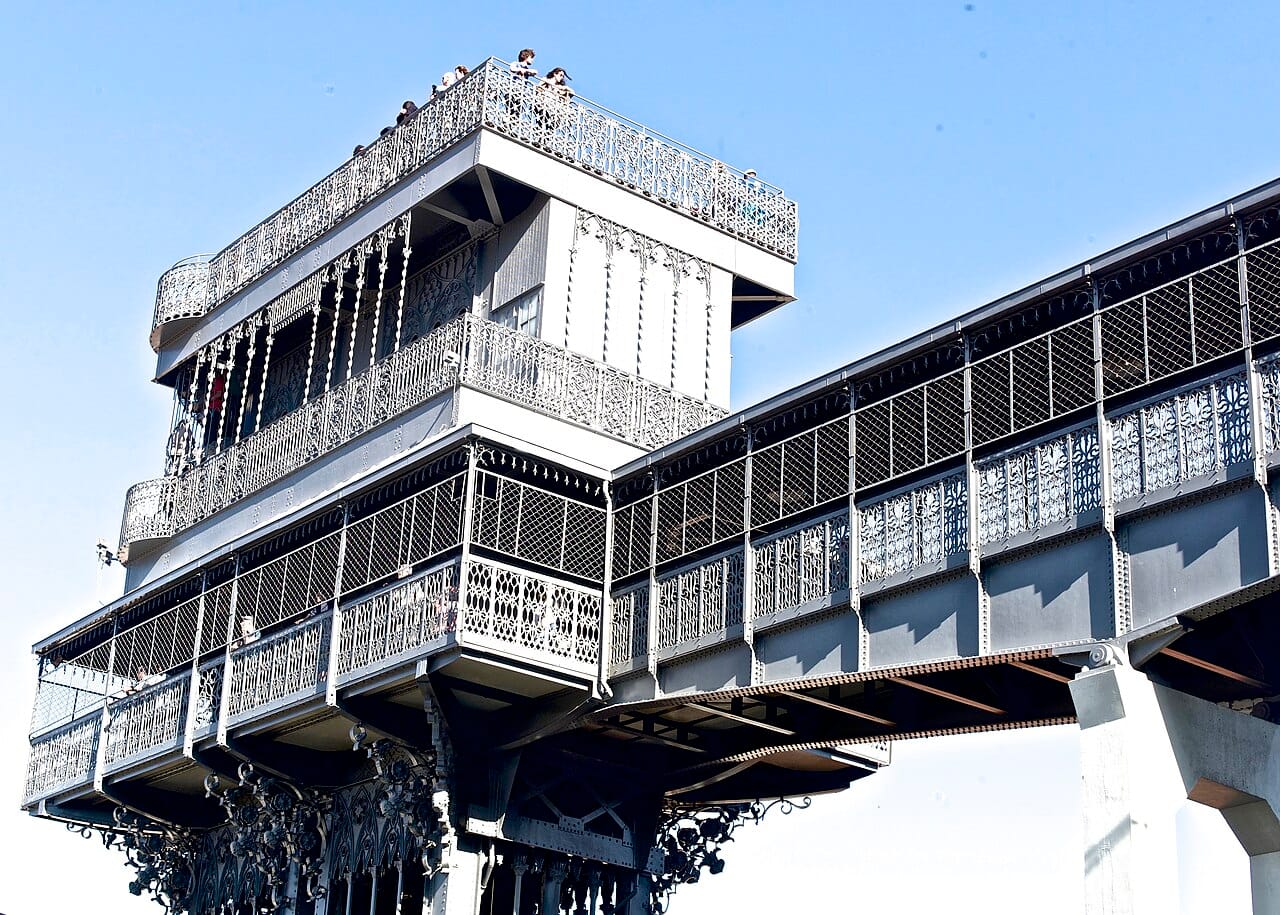
Ride the 1902 iron elevator (or walk round the back for free) to the roofless Gothic church the earthquake left standing — Lisbon's most haunting interior, open to the sky.
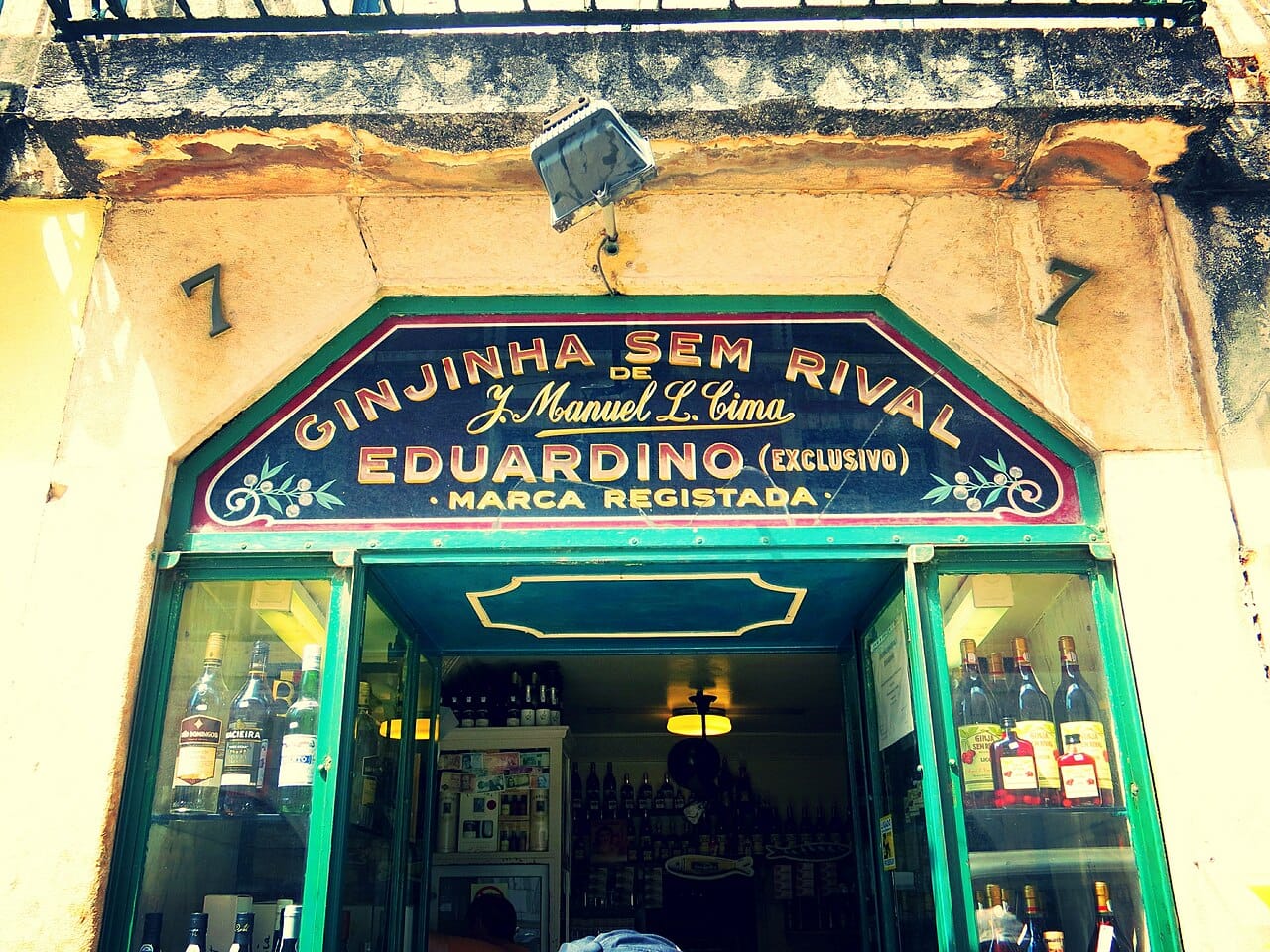
Sour-cherry liqueur served through a hole-in-the-wall since 1840 — one euro, one shot, cherry in or out, drunk on the pavement with everyone else. The fastest tradition in Lisbon.
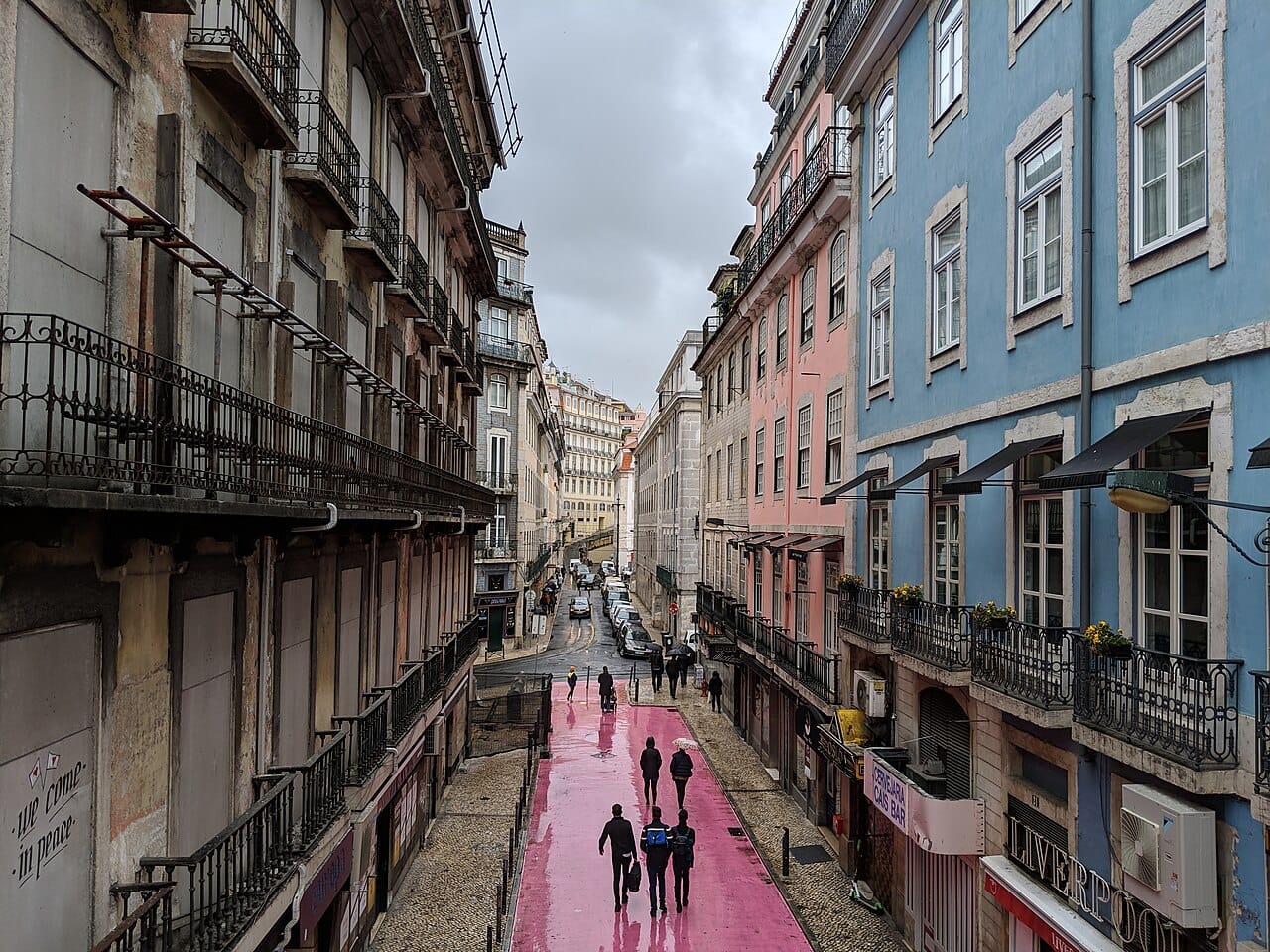
Cais do Sodré's old vice strip, literally painted pink — now the after-hours artery where Bairro Alto pours downhill when its bars close. Peaks at 2am; nobody remembers leaving.
The scruffy, guitar-strumming sunset terrace above the river — younger and looser than the manicured viewpoints. Buy a beer from the kiosk, sit on the wall, watch the bridge light up.
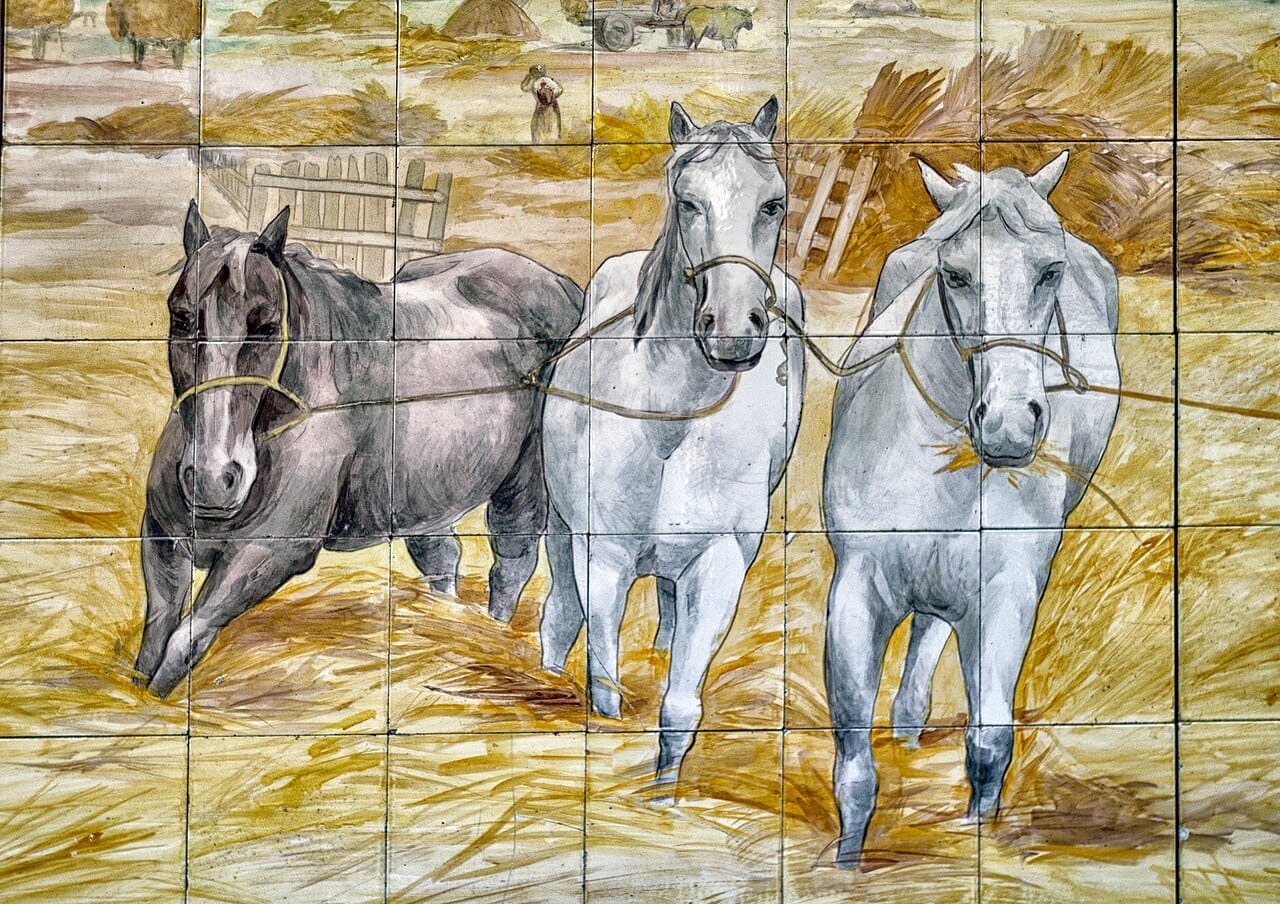
Five centuries of azulejos in an old convent, ending with a 23-metre panorama of Lisbon painted before the earthquake destroyed the city it shows. Out of the way; worth the detour.
Prices are relative to Portugal, a mid-range country.
Historic / fado
5 min · 1.2 kmThe Moorish old town that survived the 1755 earthquake — a maze of stairs, tiled lanes and washing lines below the castle, with fado drifting out of doorways after dark. Magical, steep, and busy until the tour groups leave at dusk.
What’s here
Flat / central
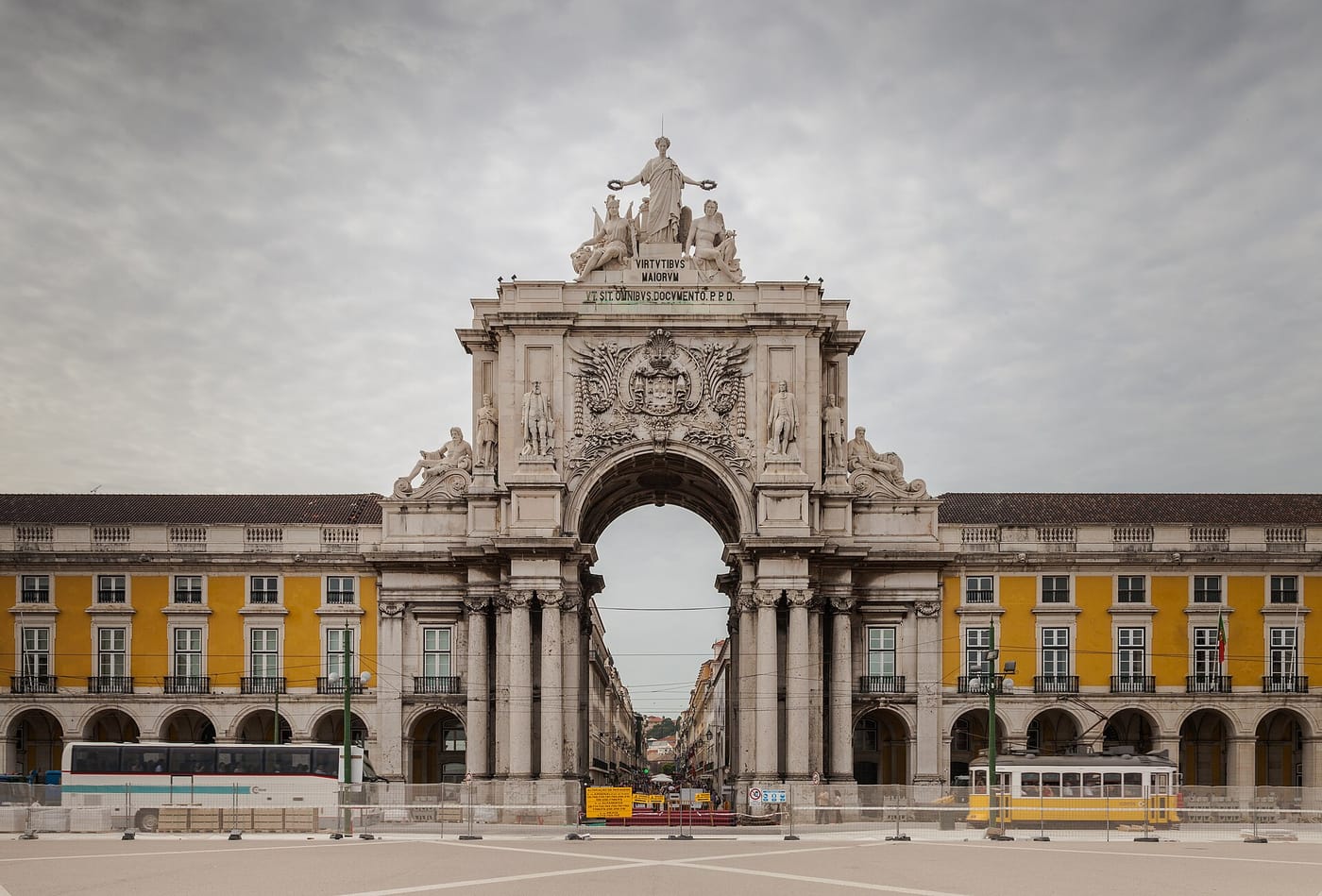
The centreThe elegant grid rebuilt after the earthquake, and the only flat part of central Lisbon — grand squares, the riverfront, and Chiado's bookshops and cafés rising at its edge. Convenient above all; the whole city fans out from here.
What’s here
Nights / riverfront
4 min · 0.9 kmQuiet grid of shuttered streets by day, one continuous street party by night — then downhill to Cais do Sodré, where the old red-light strip became the city's bar row. Sleep here only if you plan to be part of the noise.
What’s here
Monuments / riverside
15 min · 6 kmWhere the caravels left from — the monastery, the tower, the custard tarts, all strung along a breezy riverfront 6km west of the centre. Calm, grand and residential; a tram ride from the action, which is either the flaw or the point.
What’s here
Local / viewpoints
8 min · 1.8 kmThe hills above Alfama where Lisbon still lives — grocers, cheap tascas, the city's best miradouros, and Mouraria's immigrant lanes where fado was actually born. The value base for people who want the real thing.
What’s here
Worth knowing: No beach zone — but the beach is a 40-minute train along the coast to Cascais, and locals treat that line as public transport to the sea. Also: the hills are real. Pack for climbing.
40 min away
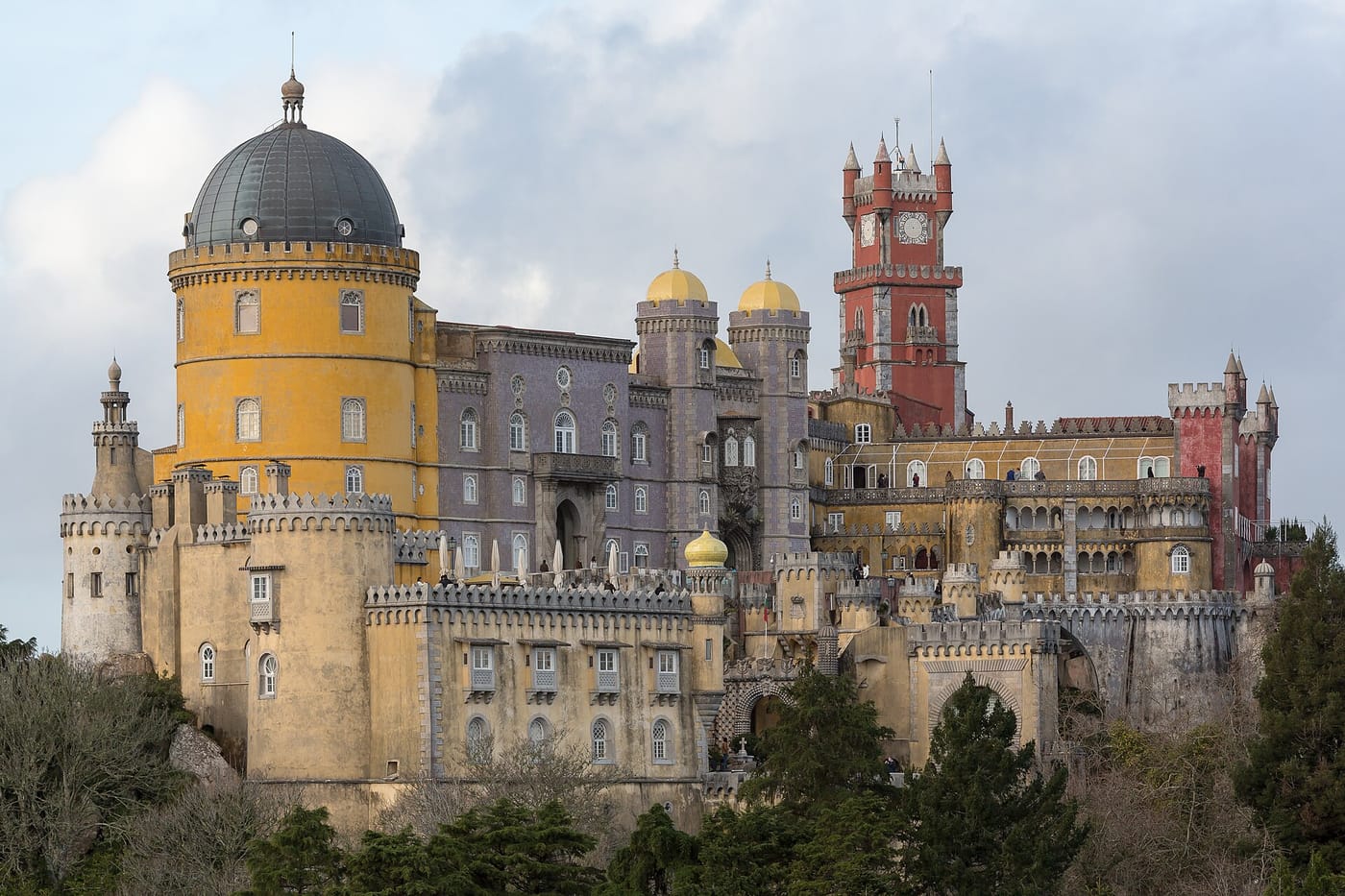
A fairy-tale mountain of palaces in a cooler microclimate — the technicolour Pena Palace on top, the Quinta da Regaleira's initiation well below. Go on a weekday, first train you can manage; it fills by 11.
Train from Rossio station, every 20 minutes
40 min away
The train runs along the water the whole way — hop off at any beach that looks right, end at Cascais' old town for seafood. Lisbon's summer routine, available to you too.
Coastal train from Cais do Sodré
15 min away
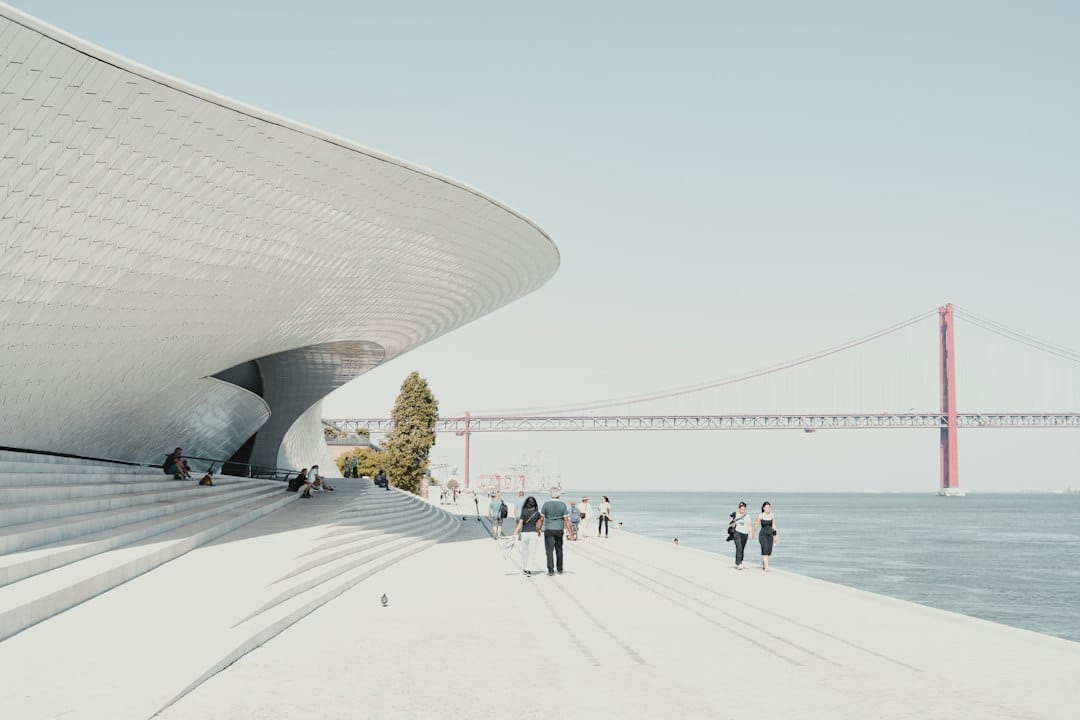
Cross the river for the view back — grilled fish in no-frills Cacilhas, then the Christ statue's platform for the full postcard of Lisbon and the red bridge. The cheapest great afternoon in town.
Ferry from Cais do Sodré
1 hr away
A complete medieval walled town you can circle on the ramparts, whitewashed and flower-hung, with sour-cherry ginja served in chocolate cups. Half a day is enough; it's perfect.
Express bus from Campo Grande
Best time to go
May–June and September–October. Warm, dry, and the light at its legendary best — with the August crowds and prices gone.
Cheapest: November–February. Mild by any northern standard, half-empty miradouros, and room prices that remember the old Lisbon.
Pick your dates above and we’ll tell you exactly what the weather does then.
August
29° / 18°C
Dry
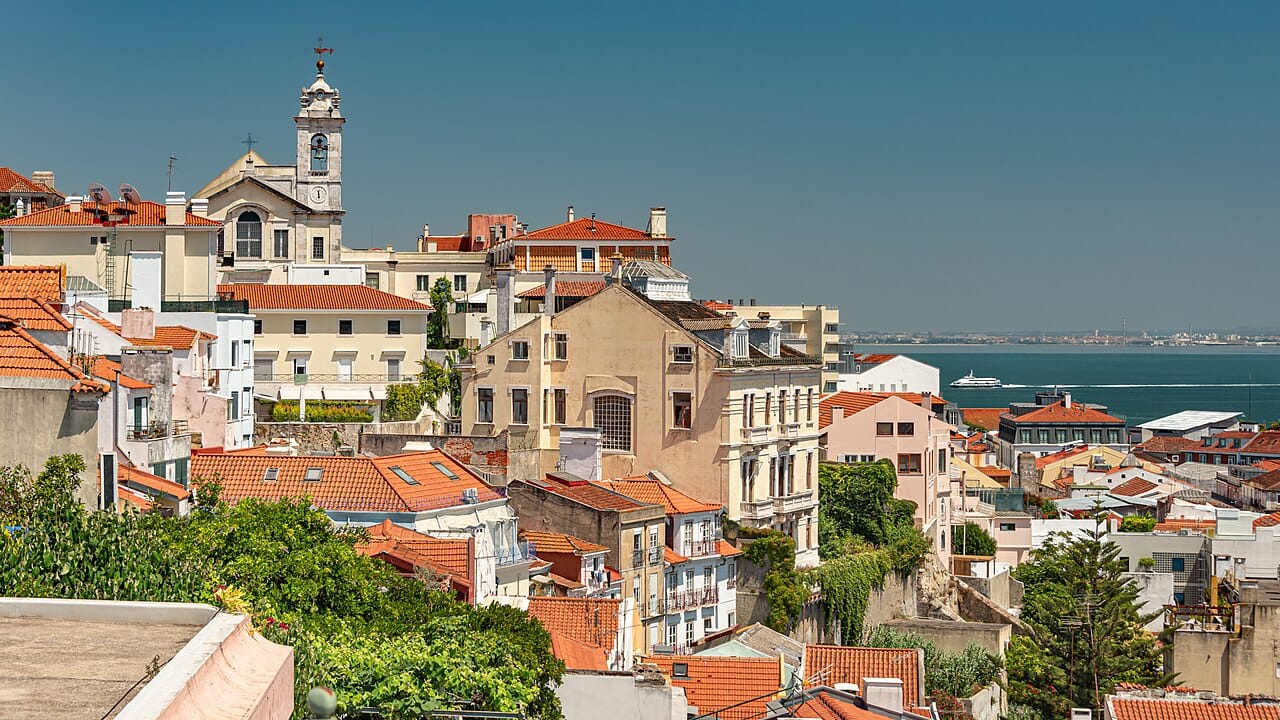
MixedLisbon is built on light. Seven hills, white limestone pavements, azulejo tiles on every other façade — the whole city acts as a reflector for an Atlantic sun that photographers chase and residents take for granted. It's a capital that feels like a collection of villages: trams grind up impossible gradients, laundry hangs over fado bars, and every hilltop has a miradouro terrace where someone will sell you a cold beer at sunset. The hills are genuinely steep and the crowds in Alfama genuinely thick — but walk twenty minutes in any direction and the city goes local again. Three nights minimum, four if Sintra calls.
First things first
Tap the day you arrive.
August 2026
September 2026
October 2026
November 2026
December 2026
January 2027
February 2027
March 2027
April 2027
May 2027
Last updated 20 July 2026. Cities are refreshed, not written once.