Place de la Bourse
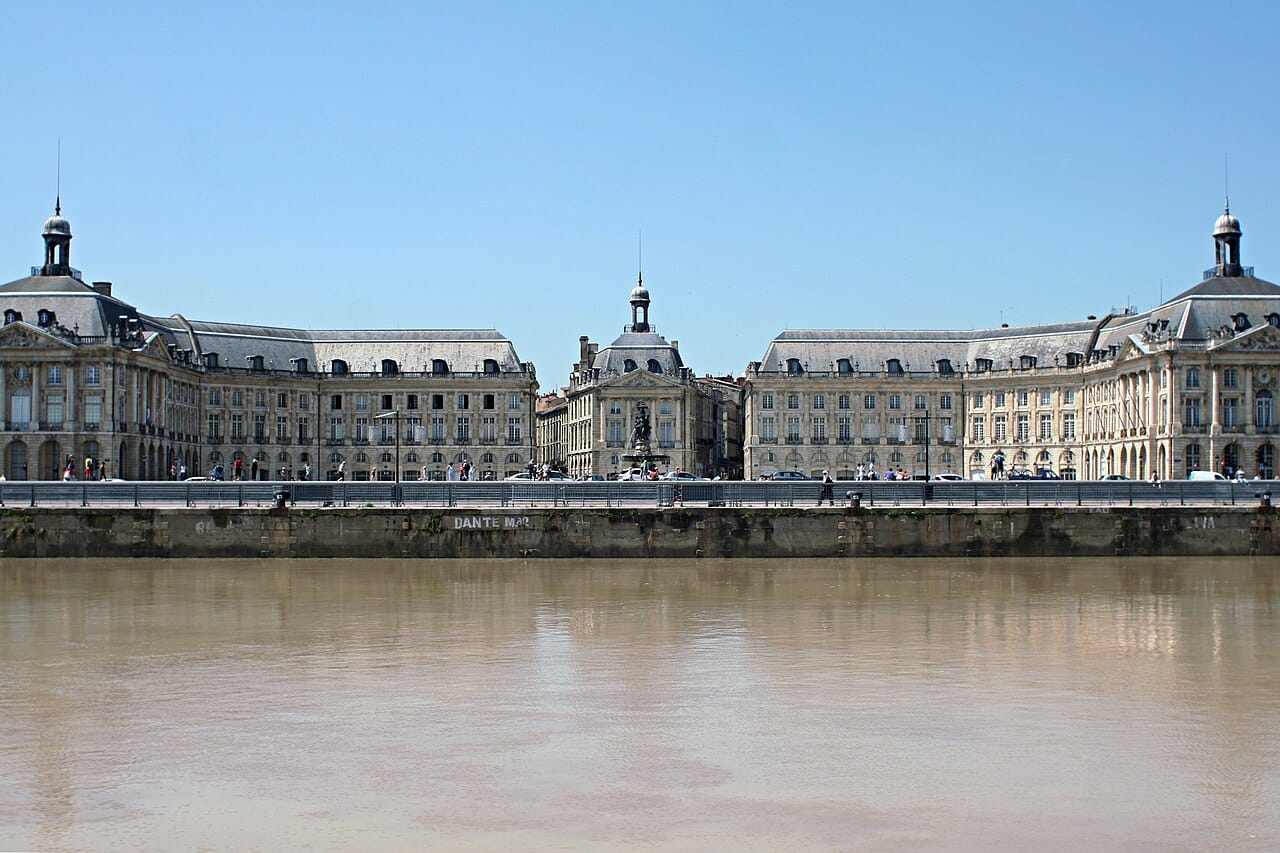
The city's showpiece — a perfectly symmetrical 18th-century royal square opening onto the river, the image of Bordeaux's stone-and-water elegance. Come at dusk when the floodlit façade glows gold above the Garonne.
Tap any one to see the photo and what it is — or hit ✓ to add it straight to your plan.
Like a local
The real spots and the timing — from locals, not guidebooks. The stuff a top-10 list will never give you.
Wine by the glass at a bar à vin
📍 Saint-Pierre
You don't need a château tour to drink well — the wine bars around Saint-Pierre and Place du Parlement pour serious Bordeaux by the glass, often with a plate of cheese or charcuterie. Ask the staff to steer you to a lesser-known Côtes de Bordeaux; it's where the value is.
Canelés, done right
📍 everywhere
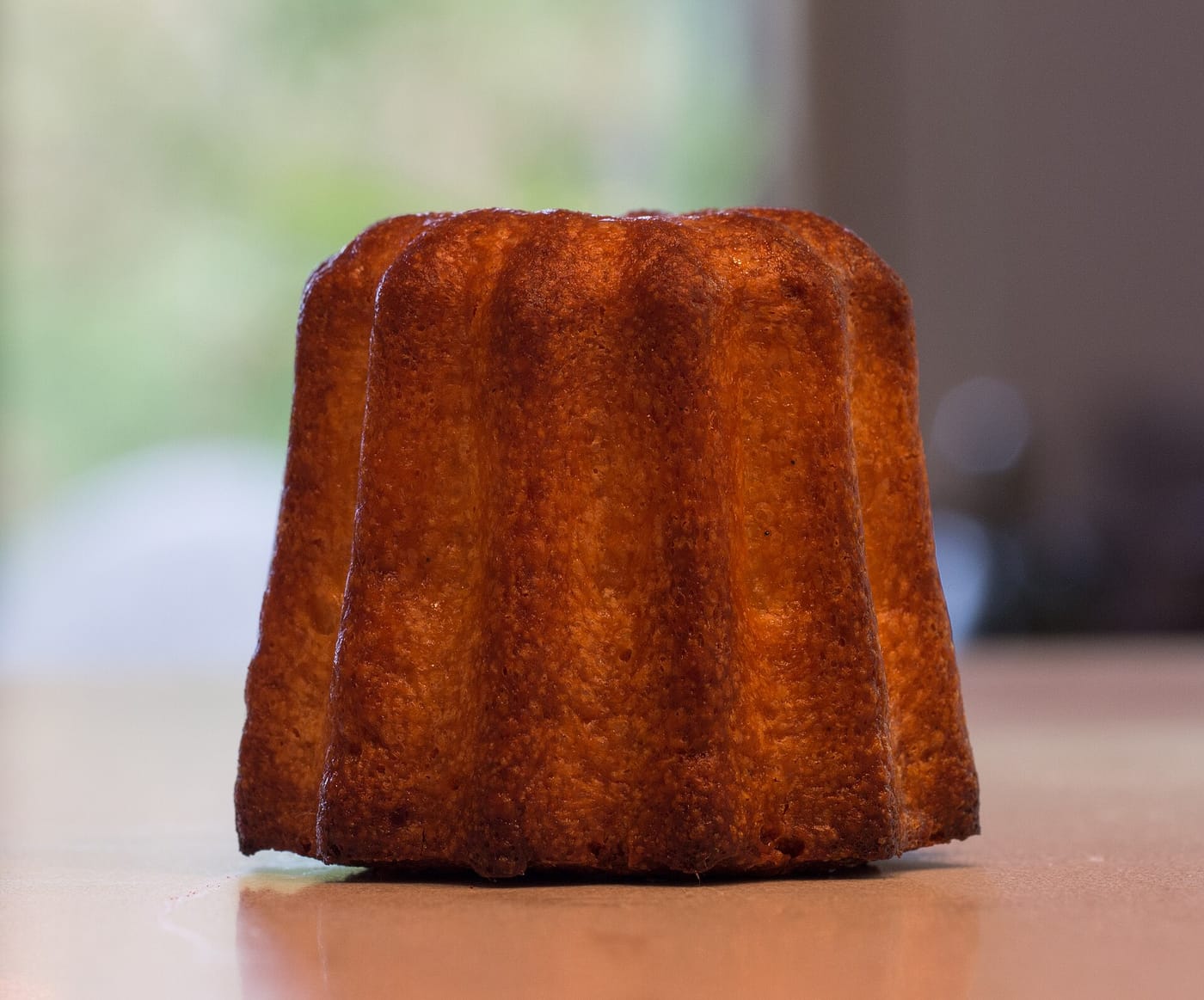
The city's own pastry — a small fluted cake, dark and caramelised outside, custardy and rum-scented inside. Buy them fresh and warm from Baillardran or a good bakery, not a supermarket, and eat them the same day.
Sunday at the Chartrons quays
📍 Chartrons
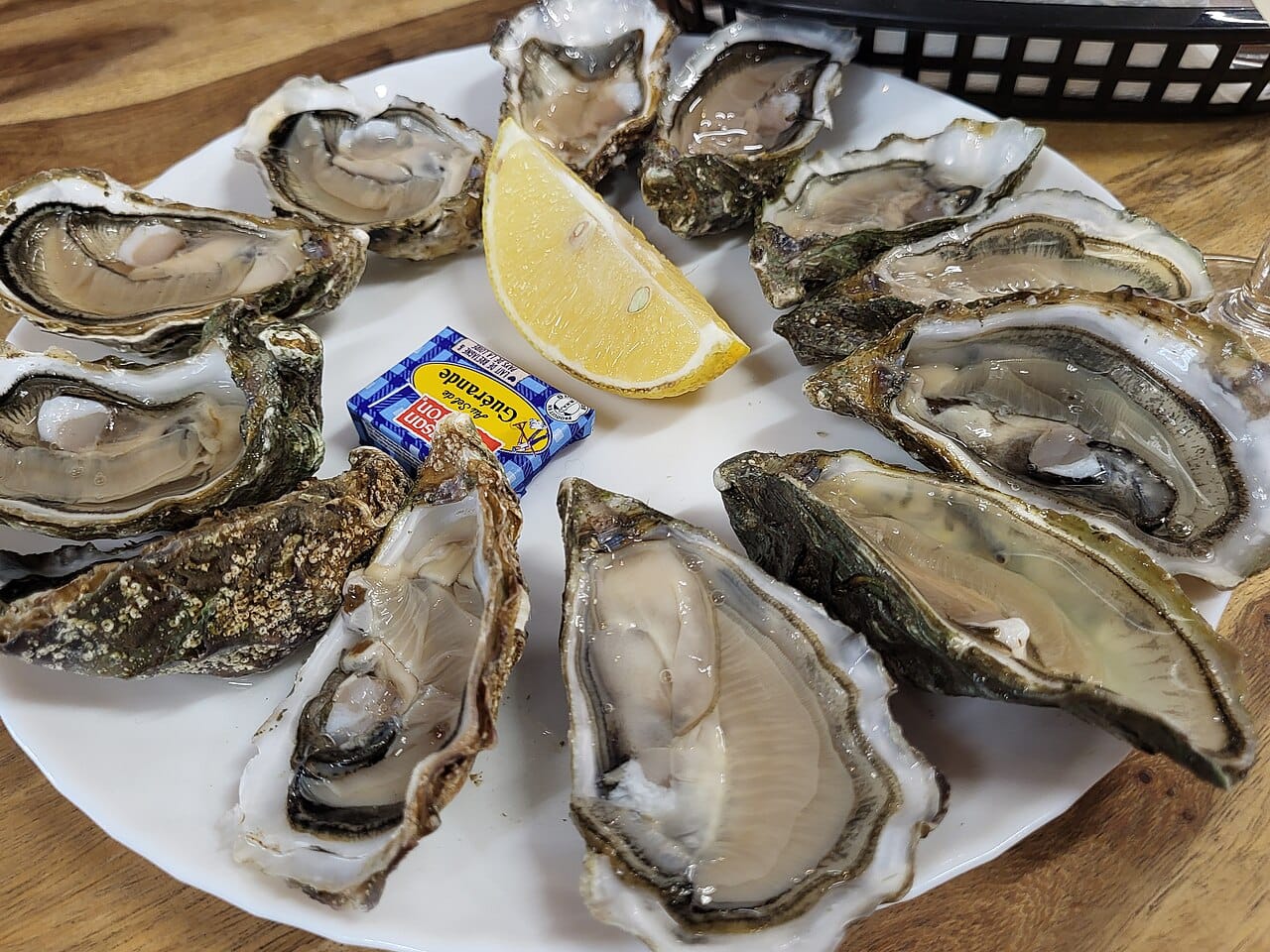
On Sunday morning the old wine-merchant district of Chartrons throws a riverside market — oysters and a glass of white by the water, then browse the antique shops on Rue Notre-Dame. A very local, very Bordelais morning.
Add it and help the next traveller plan like they’ve got a friend in town.
+ Suggest a hidden spotTwo ways to find your area — by the things you picked, or by the vibe you want.
For what you picked
Tap a few things in “What do you want to do?” above, and the area closest to them appears here.
For your vibe
What’s your vibe?
Type its name and I’ll tell you what area it’s in and how far it is from your picks.
The city's showpiece — a perfectly symmetrical 18th-century royal square opening onto the river, the image of Bordeaux's stone-and-water elegance. Come at dusk when the floodlit façade glows gold above the Garonne.
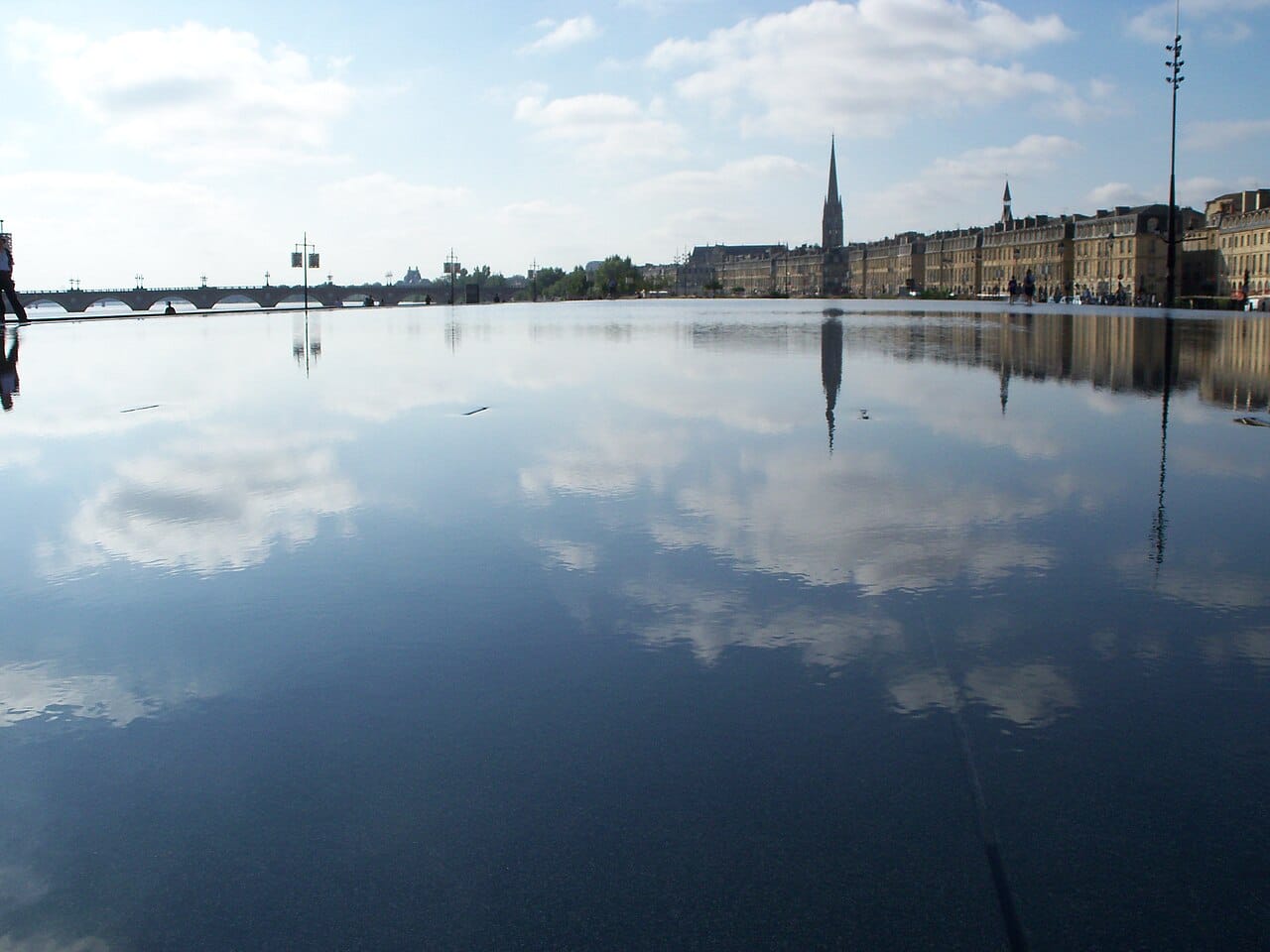
The world's largest reflecting pool, laid across the quay in front of Place de la Bourse — a thin film of water that mirrors the façade, then hisses up into mist. Kids paddle, everyone photographs; pure Bordeaux magic on a warm evening.
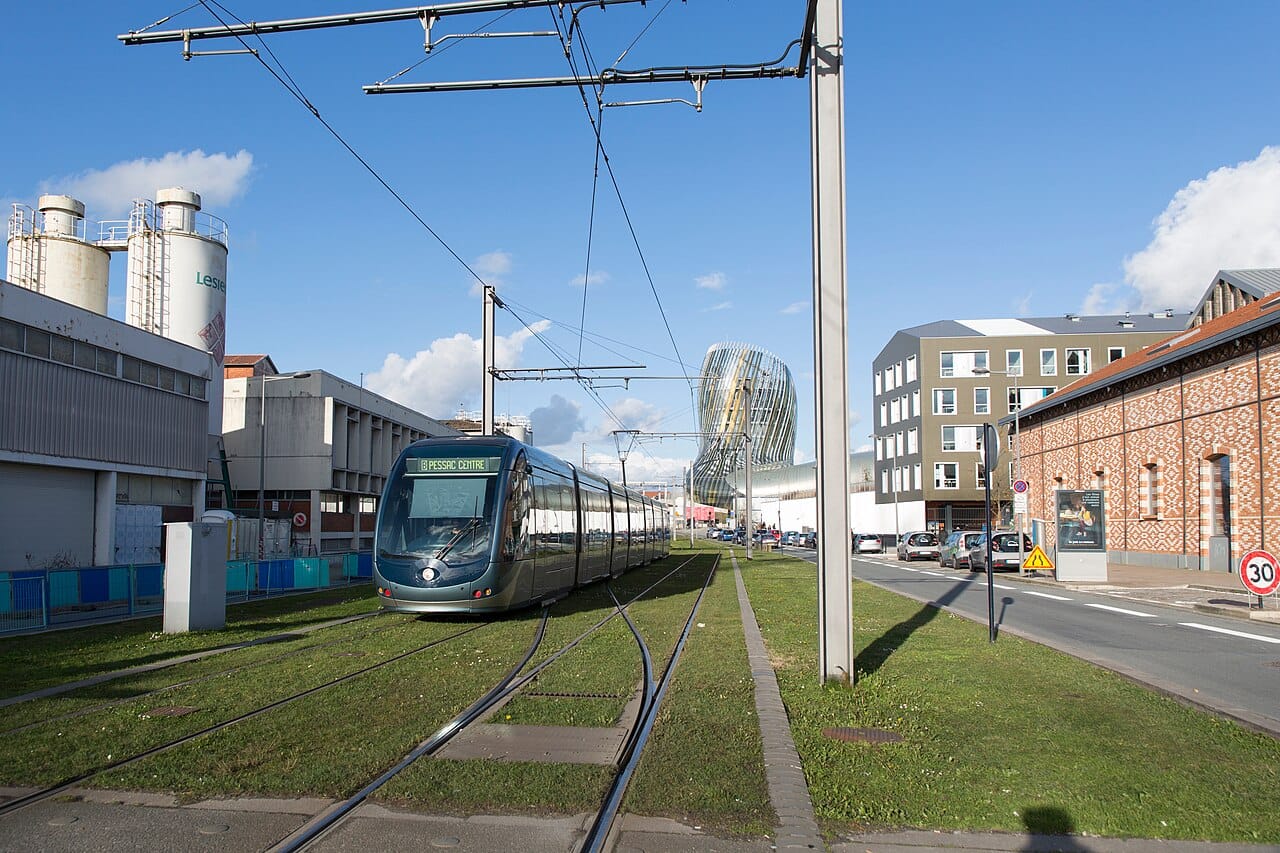
A swirling, decanter-shaped museum of wine on the river — immersive, hands-on and global, ending with a tasting in the glass-topped belvedere over the city. The essential stop even if you never leave town for a vineyard.
A magnificent 18th-century opera house behind a colonnade of twelve columns, its staircase said to have inspired the Paris Opéra. See a show, take a tour, or just admire it from a café on Place de la Comédie.
The medieval tangle behind the river — Place du Parlement and Place Saint-Pierre ringed with restaurant terraces and wine bars, the prettiest place to eat and drink outdoors. The city's living room after dark.
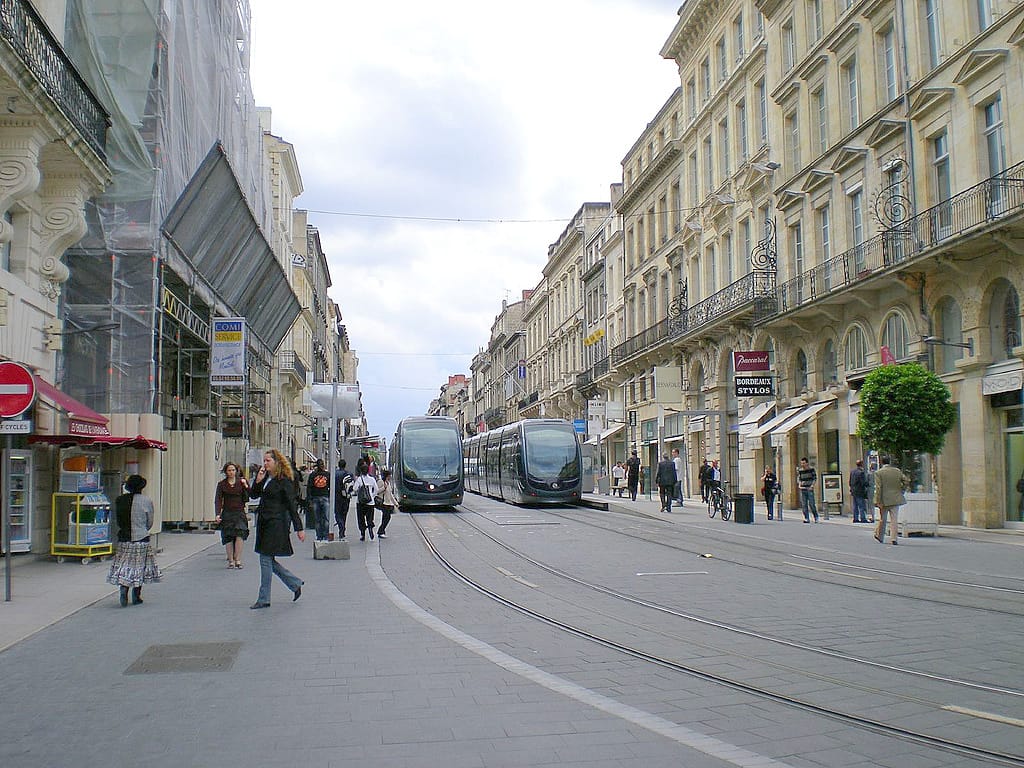
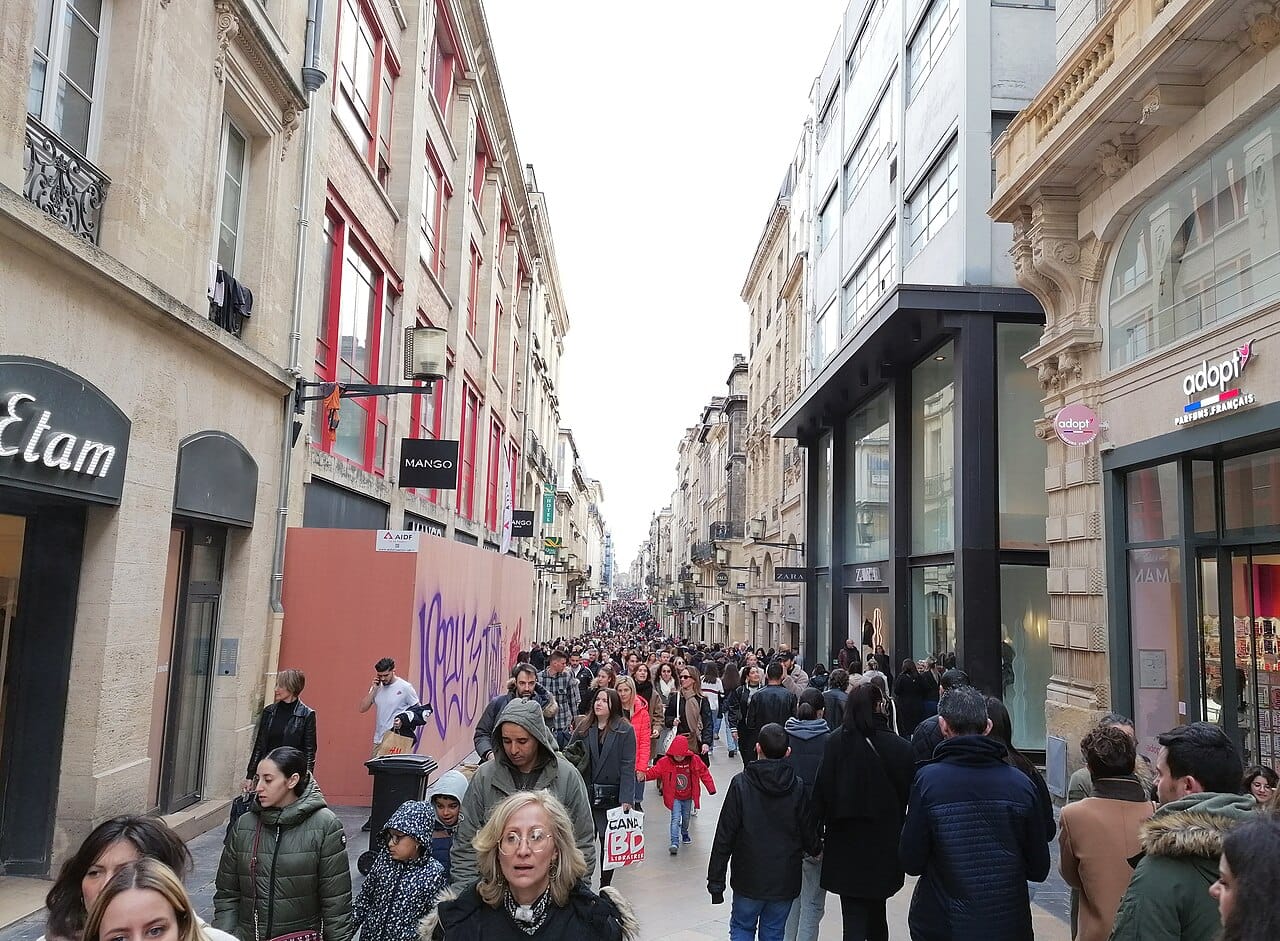
Reputedly the longest pedestrian shopping street in Europe, running 1.2km through the heart of the city — big brands, buskers and a constant flow. Good for a browse, and it links most of the sights on foot.
Bordeaux's belly — a covered market where locals crowd the oyster stalls on weekend mornings for a dozen with a glass of white wine. The city's best cheap feast; go hungry, go before noon.
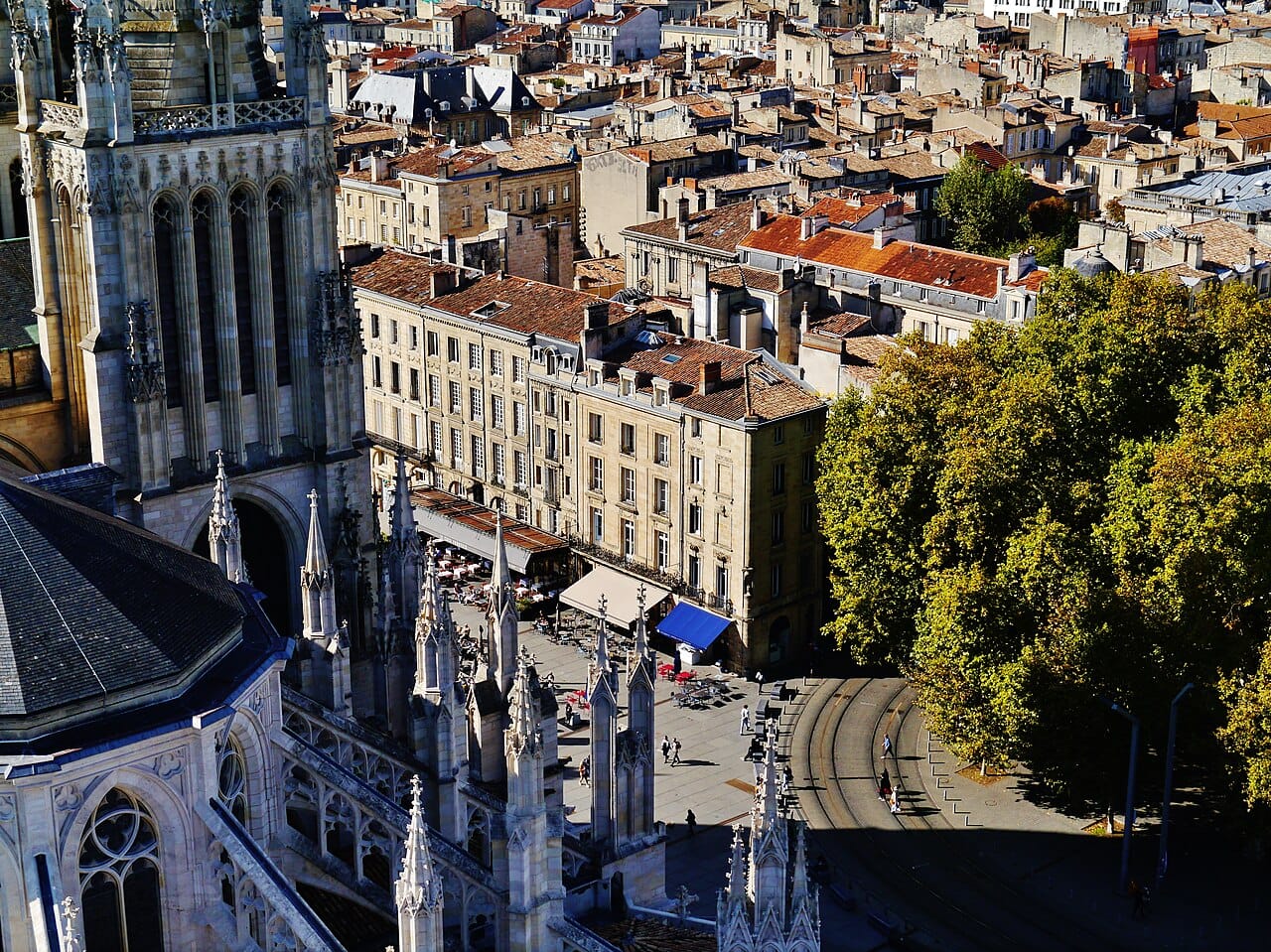
The great Gothic cathedral where Eleanor of Aquitaine married the future king of France — soaring nave, fine carved portals, and the free view is next door. A cornerstone of the UNESCO centre.
The cathedral's free-standing Gothic bell tower — climb the 230-odd steps for the best rooftop panorama of the honey-stone city and the river beyond. Topped by a gilded statue of the Virgin.
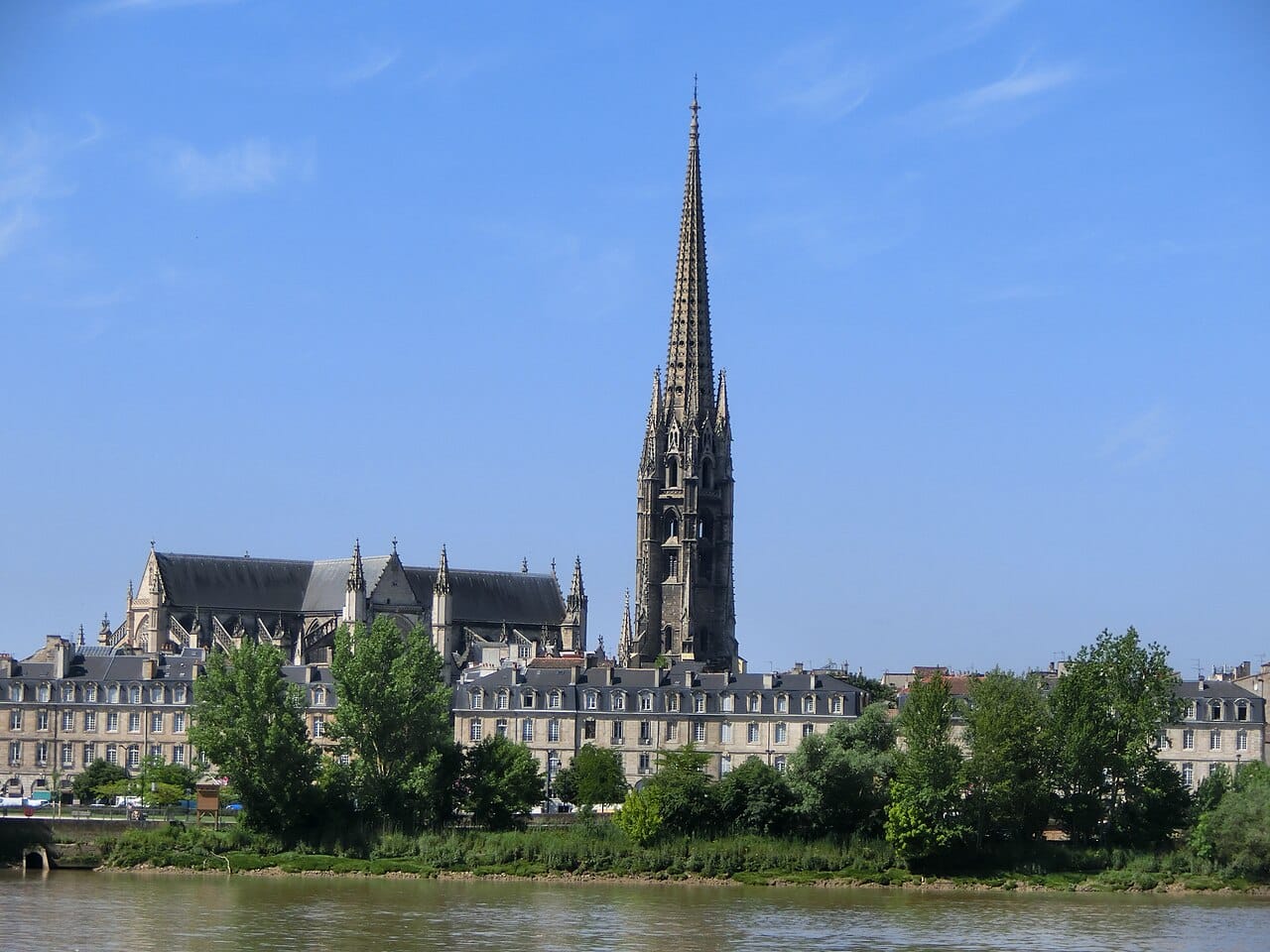
A flamboyant Gothic basilica with a separate spire — France's tallest bell tower in the south — over a square that hums with a flea market and North African cafés. The soul of the multicultural quarter; climb the tower for another great view.
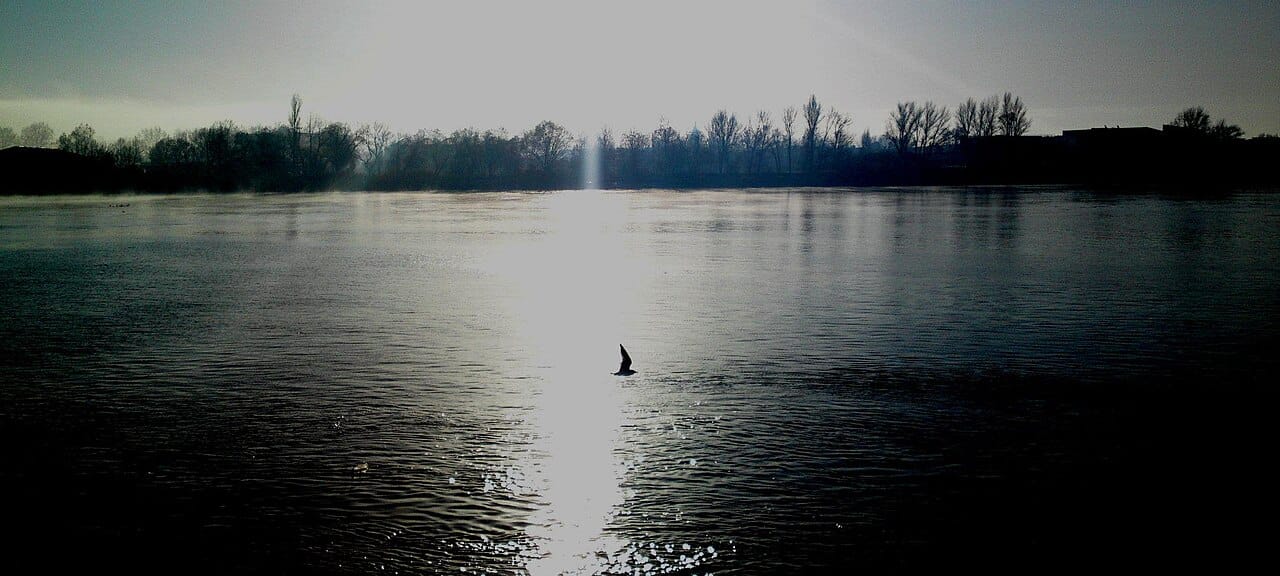
The reclaimed riverbank runs for kilometres as a promenade of lawns, cycle paths and skateparks past the old warehouses — the city's front garden. Walk or rent a bike from the Miroir up to the Cité du Vin.
A fairy-tale medieval gate on the river, all turrets and pinnacles, once the ceremonial entrance to the city. Photogenic from the square, and you can climb inside for the story of old Bordeaux.
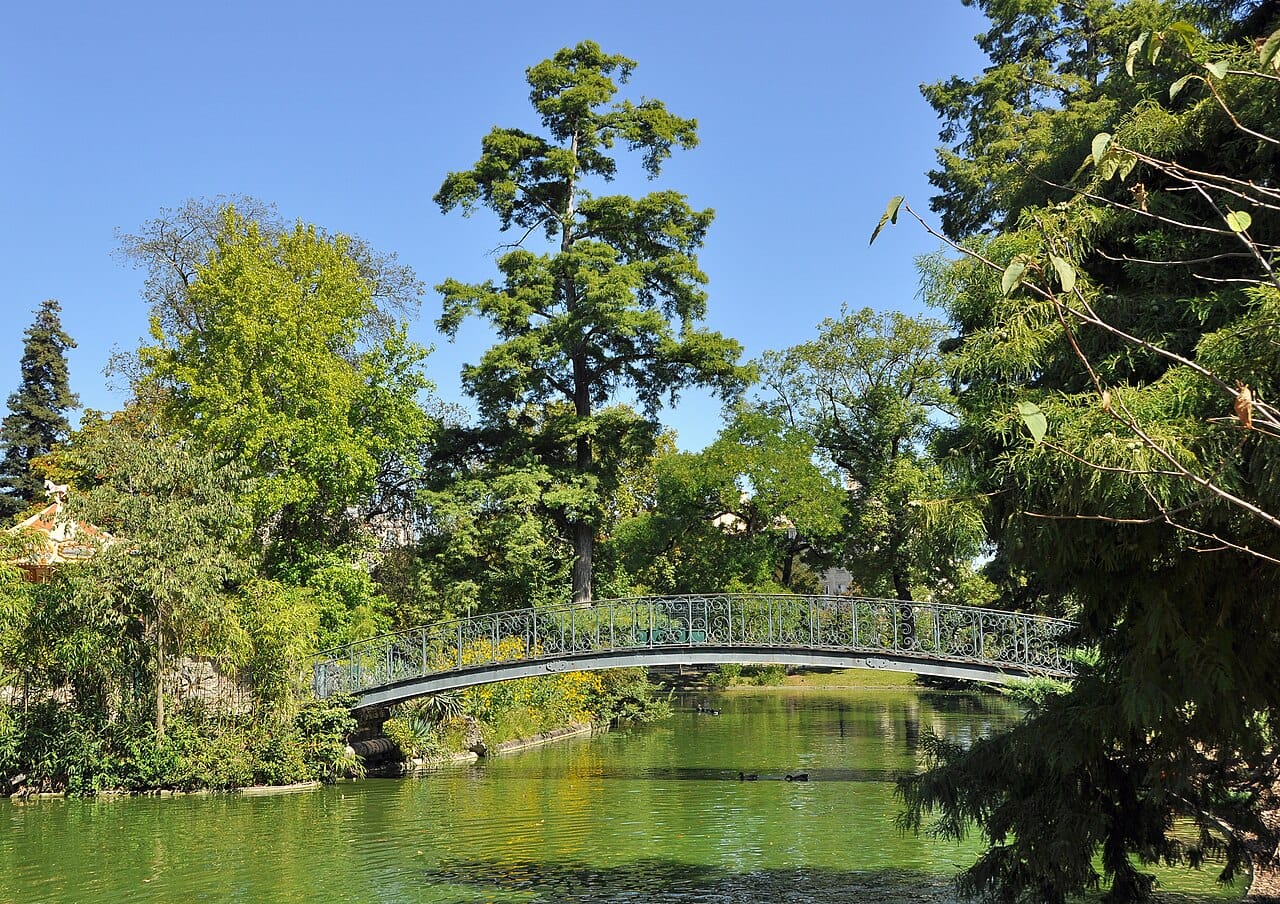
A leafy English-style park in the centre — lawns, a boating pond, a little botanical garden and plenty of shade. The locals' spot for a picnic or a jog; a green breather between sights.
The old wine-merchants' district — antique shops on Rue Notre-Dame, wine cellars, and a Sunday-morning riverside market for oysters and white wine by the water. The most Bordelais way to spend a lazy morning.
Do the two edible essentials — a warm canelé from a proper pâtissier, and a flight of Bordeaux at a city wine bar or the École du Vin. The city on a plate and in a glass; you don't need to leave town to taste well.
Prices are relative to France, a expensive country.
Old town
The centreThe medieval heart between the river and the grand shopping streets — cobbled squares, the mirror plaza, wine bars and the best of the old city on foot. Central, atmospheric and lively; the classic base for a first visit.
What’s here
Riverside & antiques
8 min · 2 kmThe old wine-trade quarter north along the river — antique shops, wine bars, a Sunday market and the modern Cité du Vin nearby. Quieter, bohemian and characterful, a tram-ride or riverside walk to the centre; a favourite with returning visitors.
What’s here
Local & multicultural
6 min · 1.5 kmThe lively, multicultural southern quarter around the Saint-Michel basilica and the covered Capucins market — cheaper, edgier and packed with food. More local and better value, a short walk from the centre; great for eaters on a budget.
What’s here
Cathedral & museums
3 min · 0.5 kmThe civic centre around the cathedral and its bell tower, the town hall and the main museums — grand, calm and central. A dignified, well-connected base a few minutes' walk from the shops and the river.
What’s here
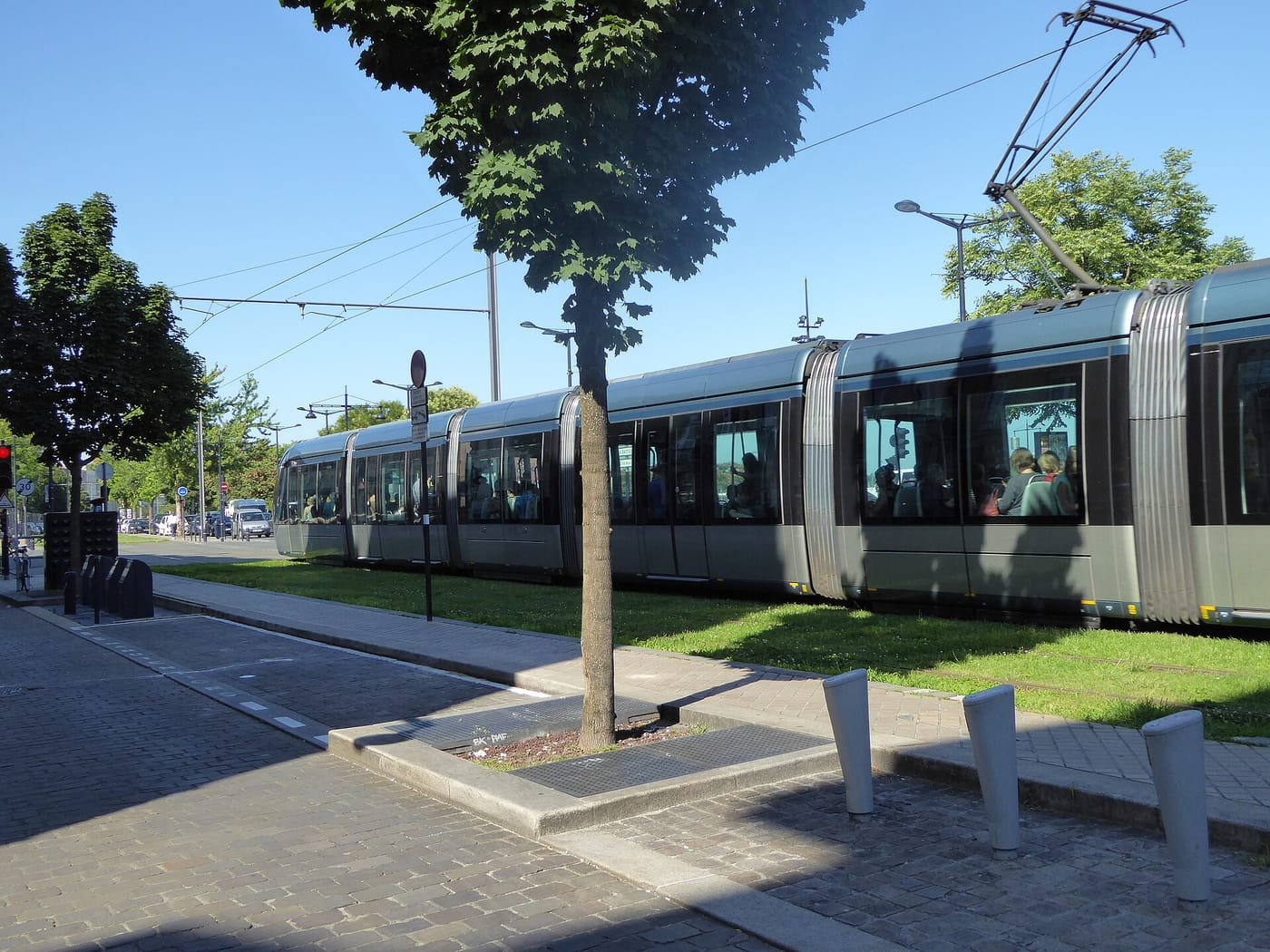
Worth knowing: The historic centre is compact and flat, best seen on foot and by the excellent tram. The famous vineyards — Saint-Émilion, the Médoc — are a 30–60 minute train or drive away, easily done as day trips.
40 min away
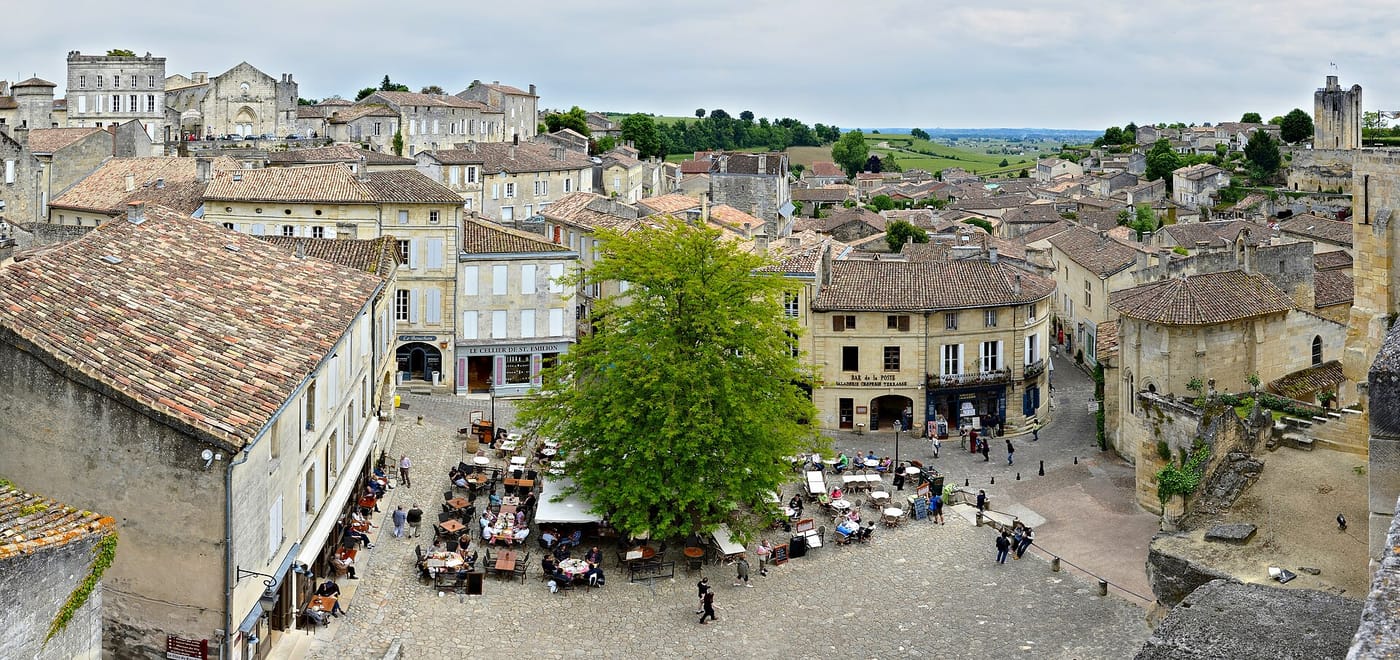
A jewel of a medieval wine village on a limestone hill, ringed by grand-cru vineyards, with a vast underground church cut from the rock. The classic Bordeaux day trip — tour a château, taste, and lunch among the vines.
Train / car
1 hr away
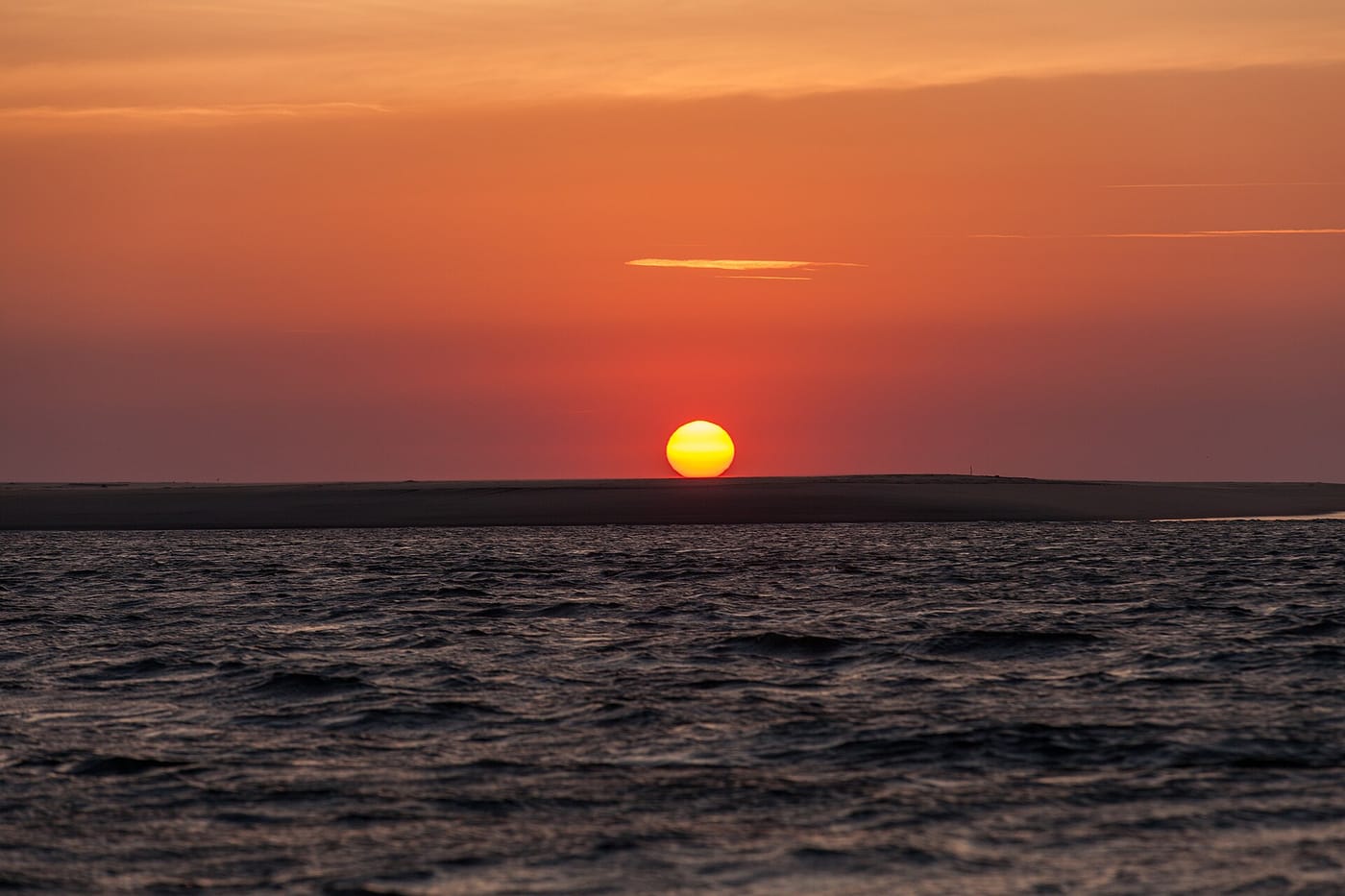
Europe's tallest sand dune, a 100m mountain of sand rising over pine forest and the Atlantic, beside the oyster-town resort of Arcachon. Climb it at sunset; a stunning day out to the coast.
Train / car
45 min away
The legendary left-bank wine road — Margaux, Pauillac, Saint-Julien and the great first-growth châteaux. Best done as a guided tour so you can taste without driving; book cellar visits ahead.
Car / tour
Best time to go
May, June and September — warm, bright and comfortable, ideal for the terraces and the vineyards without high-summer heat.
Cheapest: Spring and autumn shoulders; winter is quiet and cheap but grey. Harvest (les vendanges) in late September–October is atmospheric in wine country.
Pick your dates above and we’ll tell you exactly what the weather does then.
August
28° / 17°C
A little rain
Good time to goBordeaux is France's wine capital dressed as a museum-piece city — a sweep of honey-coloured 18th-century stone along a bend of the Garonne, its centre so intact it's a UNESCO World Heritage Site. Once shabby, it has been scrubbed and reinvented into one of France's most liveable and stylish cities: tram-lined boulevards, the great Place de la Bourse mirrored in a shimmering water pool, a superb food and café scene, and a striking modern wine museum. Beyond the ring lie the most famous vineyards on earth — Saint-Émilion, the Médoc, Margaux — making it the launch pad for the classic wine pilgrimage, while the Atlantic dunes and beaches are an hour west.
First things first
Tap the day you arrive.
August 2026
September 2026
October 2026
November 2026
December 2026
January 2027
February 2027
March 2027
April 2027
May 2027
Last updated 31 August 2026. Cities are refreshed, not written once.