Sagrada Família
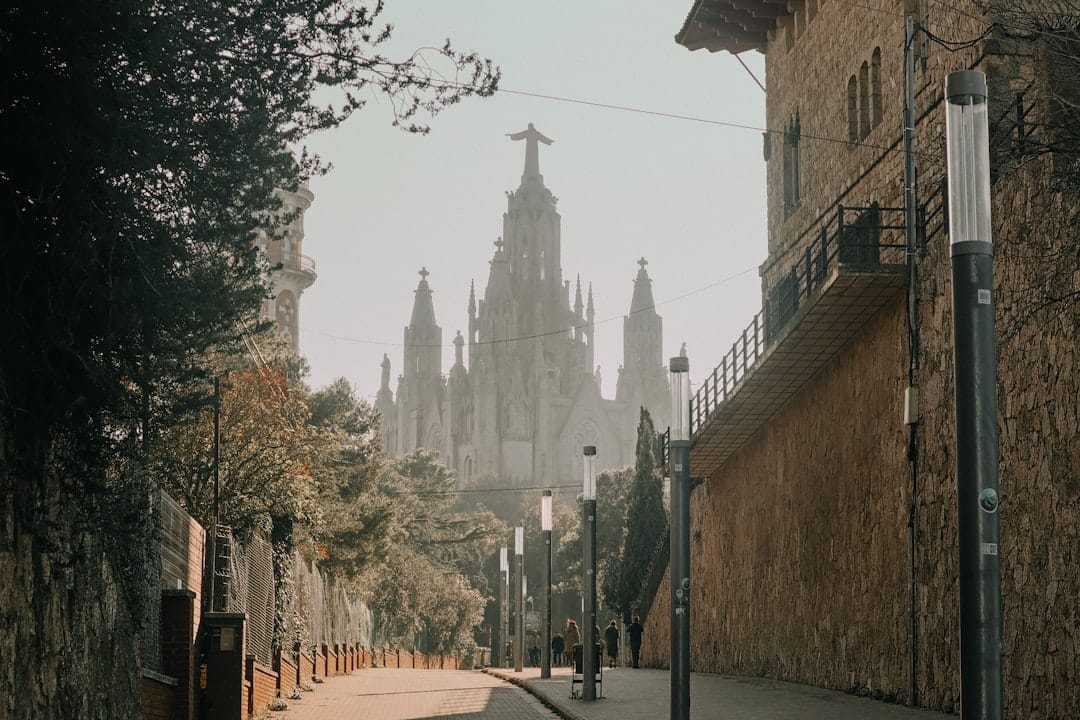
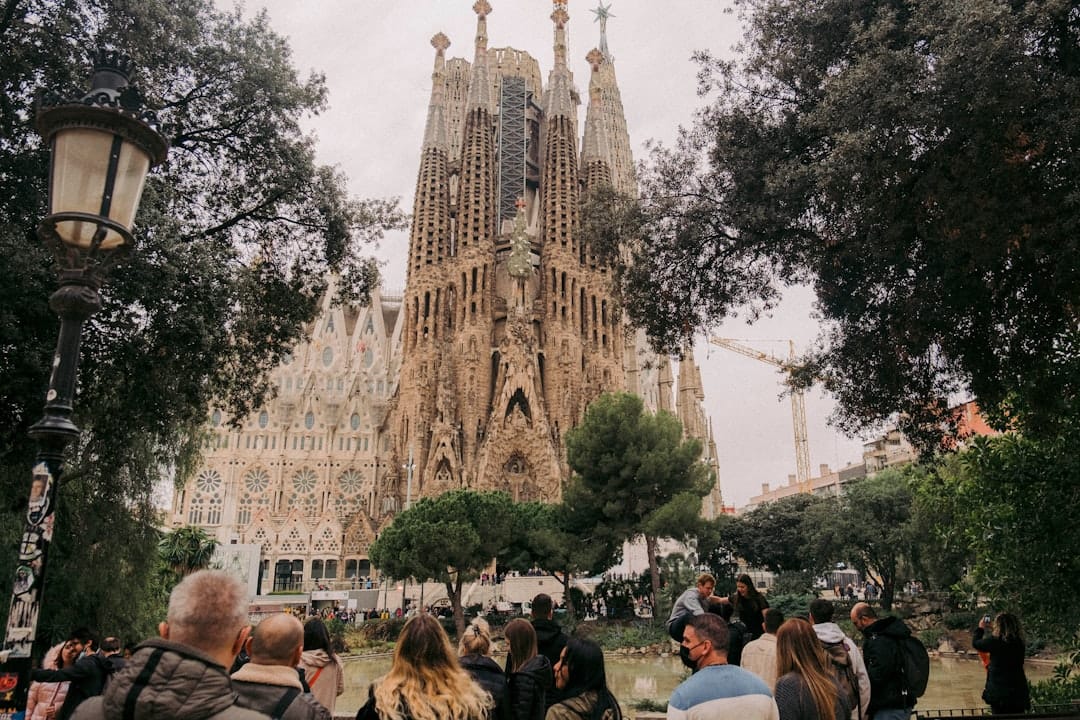
The inside is the point — a stone forest with light pouring through like stained-glass weather. Book the first morning slot online days ahead; walking up rarely works anymore.
€26, book aheadEixample (Passeig de Gràcia)
Tap any one to see the photo and what it is — or hit ✓ to add it straight to your plan.
Like a local
The real spots and the timing — from locals, not guidebooks. The stuff a top-10 list will never give you.
Gràcia, not the Rambla
📍 Gràcia
Locals leave the Rambla to tourists. Gràcia's little squares — Plaça del Sol after dark — are where the city actually drinks, vermouth in hand, tapas that aren't a set menu.
Fer el vermut
📍 Sant Antoni & Gràcia
Around 1pm on a Sunday, locals 'do the vermouth' — a vermut on the rocks with an olive and a splash of soda before lunch. The old bodegas do it properly, straight from the barrel.
Bunkers del Carmel
📍 El Carmel
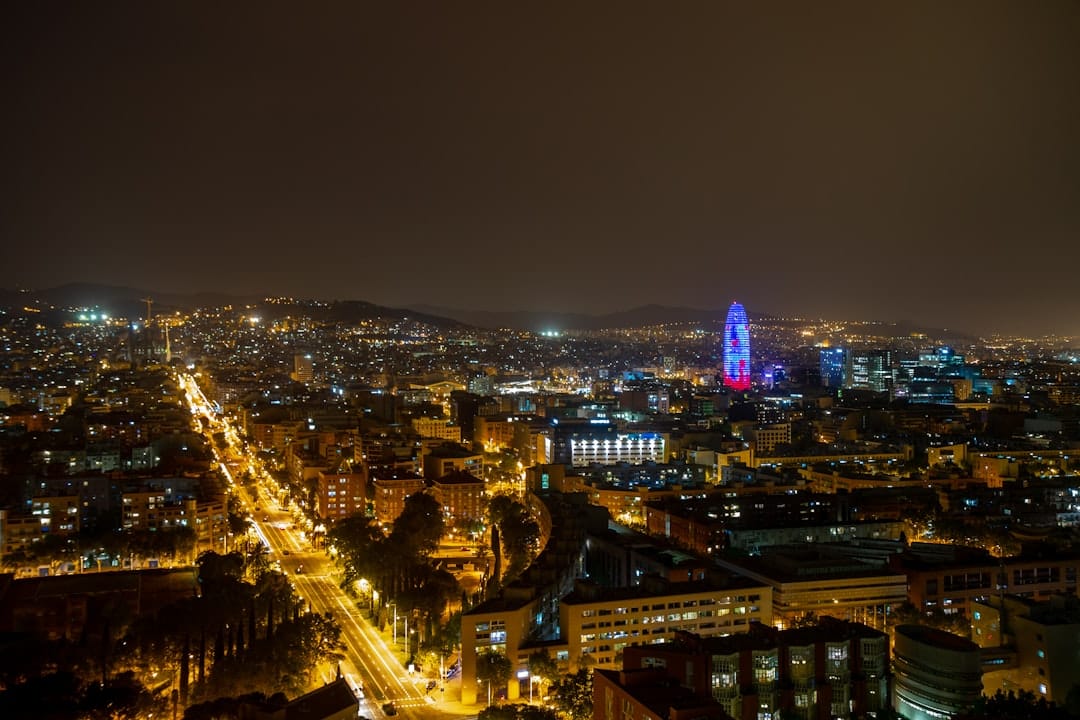
Locals climb the old anti-aircraft bunkers above the city for the best free view in Barcelona at sunset — bring a bottle and a jumper. Far better than queuing at Park Güell.
Tap a vibe, or pick a few things above and we’ll find the closest area.
Pick a vibe above, or tap a few things to do — the best area to stay appears here.
Type its name and I’ll tell you what area it’s in and how far it is from your picks.
The inside is the point — a stone forest with light pouring through like stained-glass weather. Book the first morning slot online days ahead; walking up rarely works anymore.
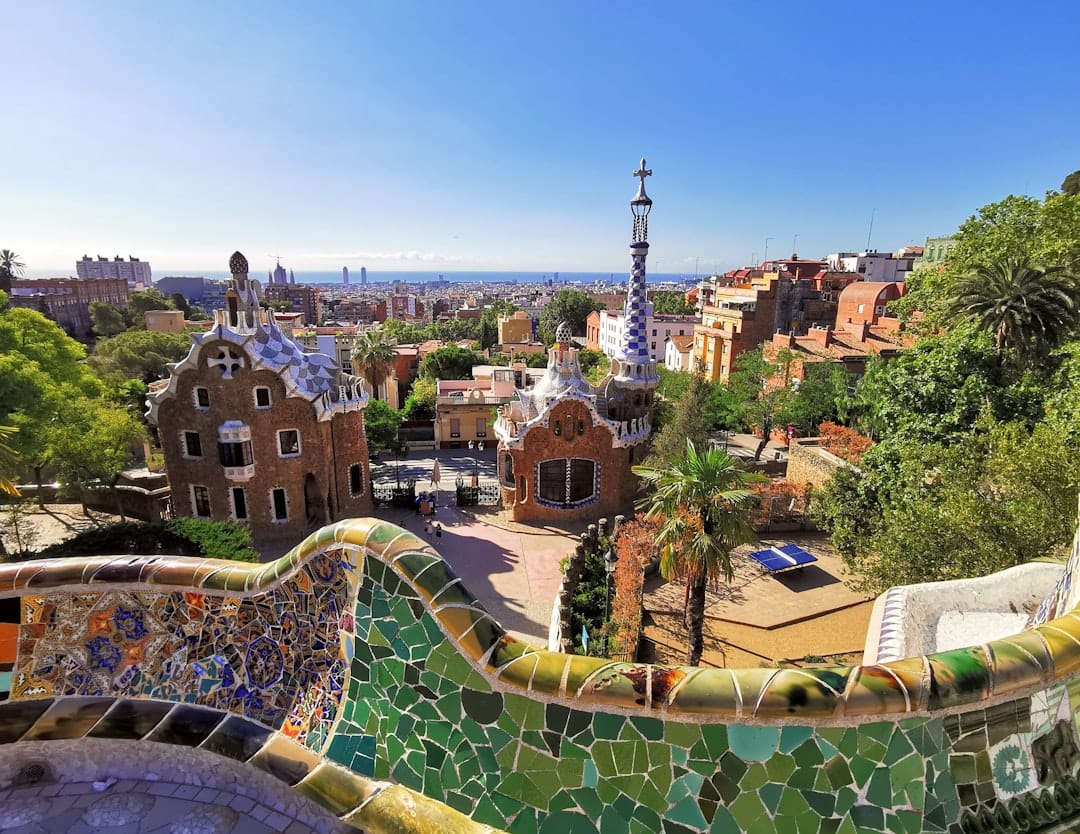
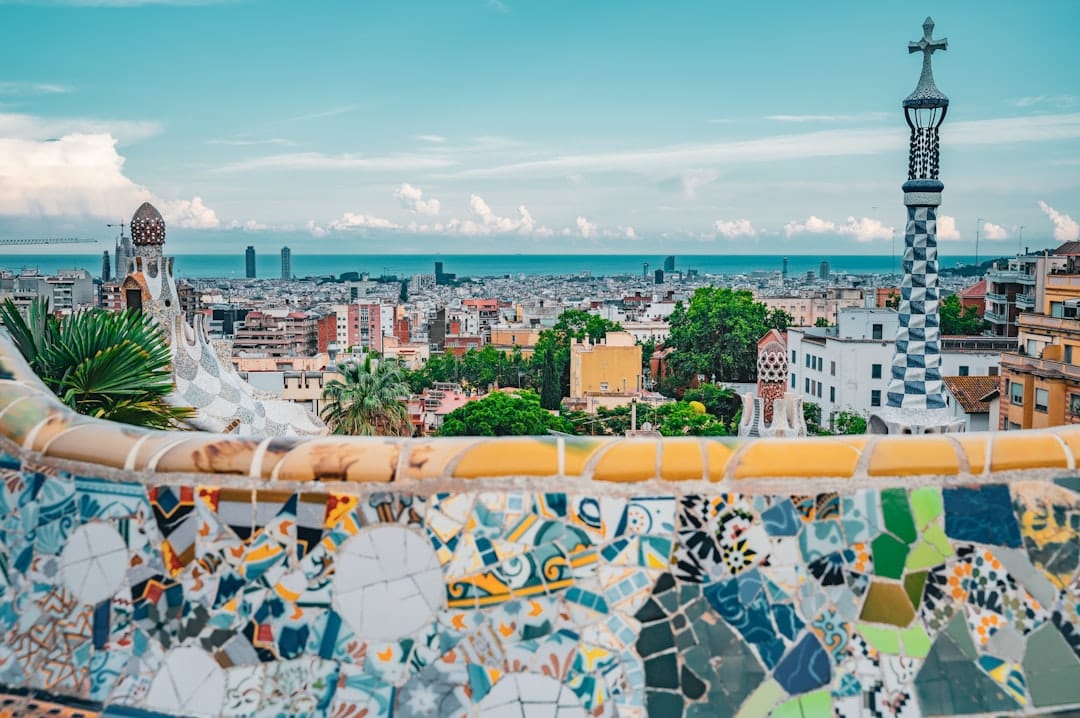
Gaudí's mosaic terrace with the whole city rolling down to the sea below. The ticketed zone is small — the surrounding free park and its viewpoints are half the pleasure.
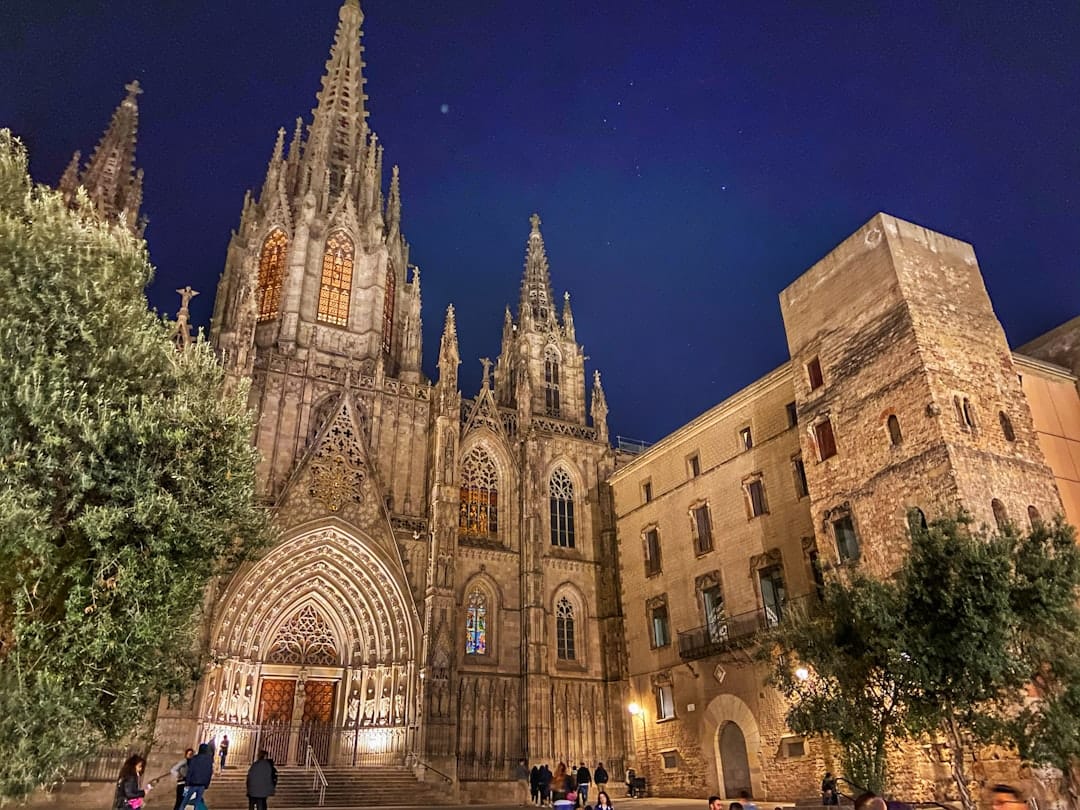
Put the map away between the cathedral and the sea — Roman towers, silent squares like Sant Felip Neri, and a harp player echoing somewhere. Best before 10am or after 10pm.
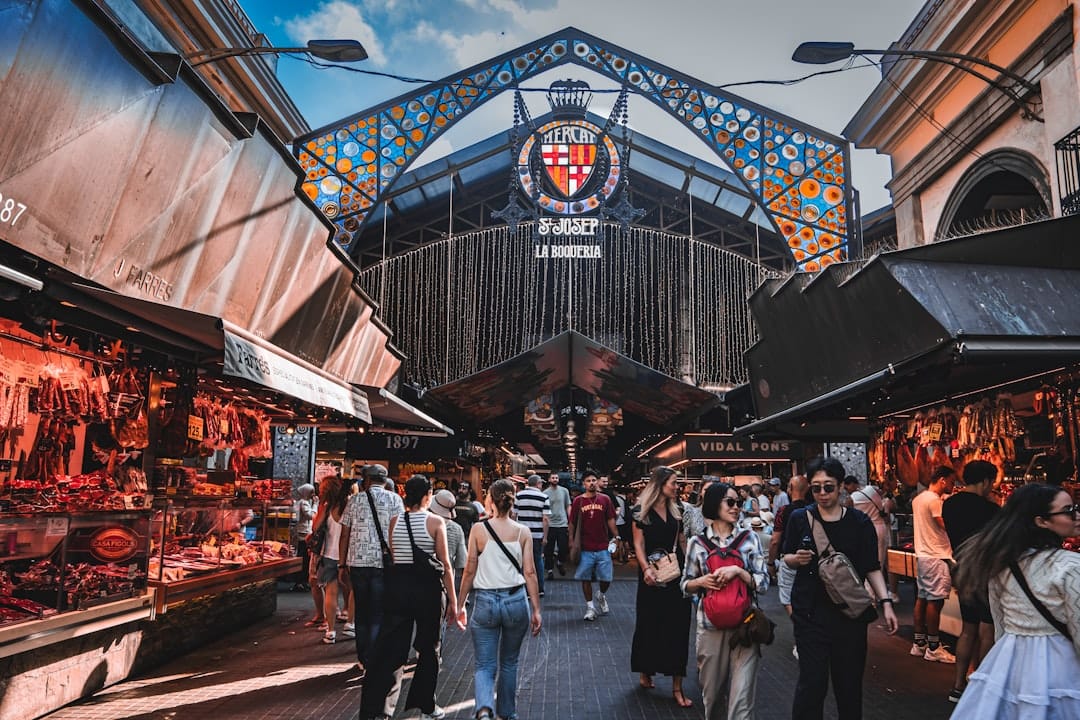
The famous tree-lined boulevard down to the sea. Touristy, yes — but you walk it once, keep a hand on your bag, and duck into the Boqueria halfway.
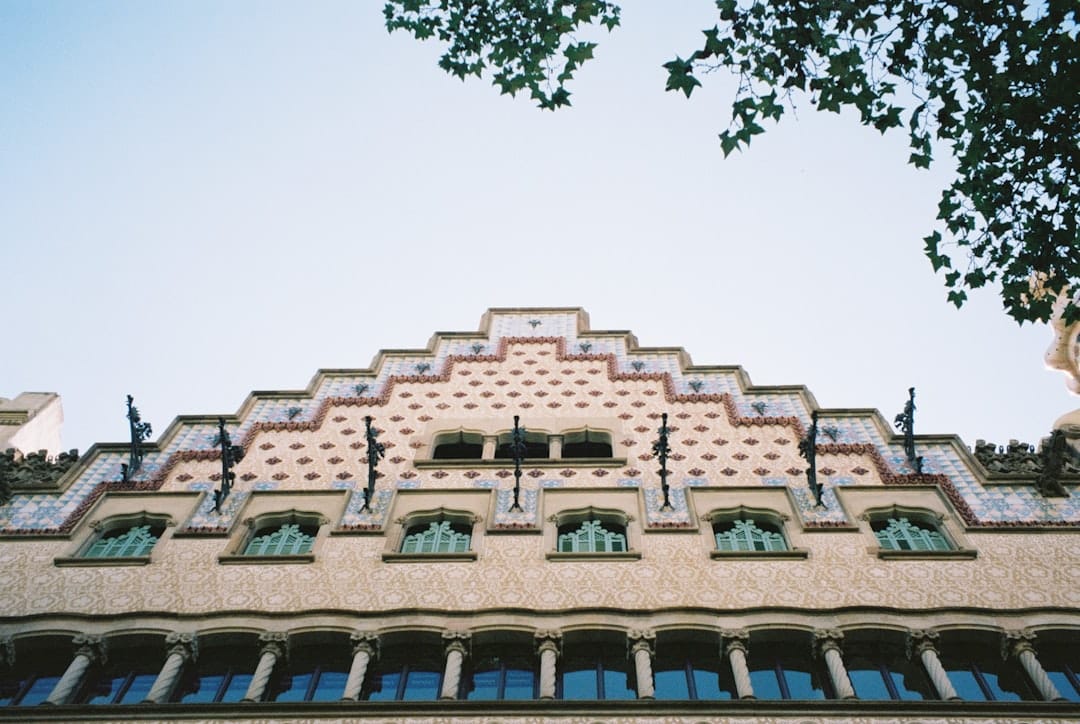
Gaudí's dragon-scaled house and his wave of stone, one block apart. The insides are dazzling but pricey — seeing both lit up from the pavement at night costs nothing and loses little.
FC Barcelona's cathedral of football. The stadium tour and the museum's trophy room are a pilgrimage for any fan — and on a match night the whole city tilts toward it.
Push past the smoothie stalls at the entrance to the counters at the back, where cooks sear whatever the fishmongers had that morning. Stand, order, point, repeat.
The Gothic Quarter's giant — a cloister with thirteen resident geese, and a rooftop you can climb for a view straight over the old town.
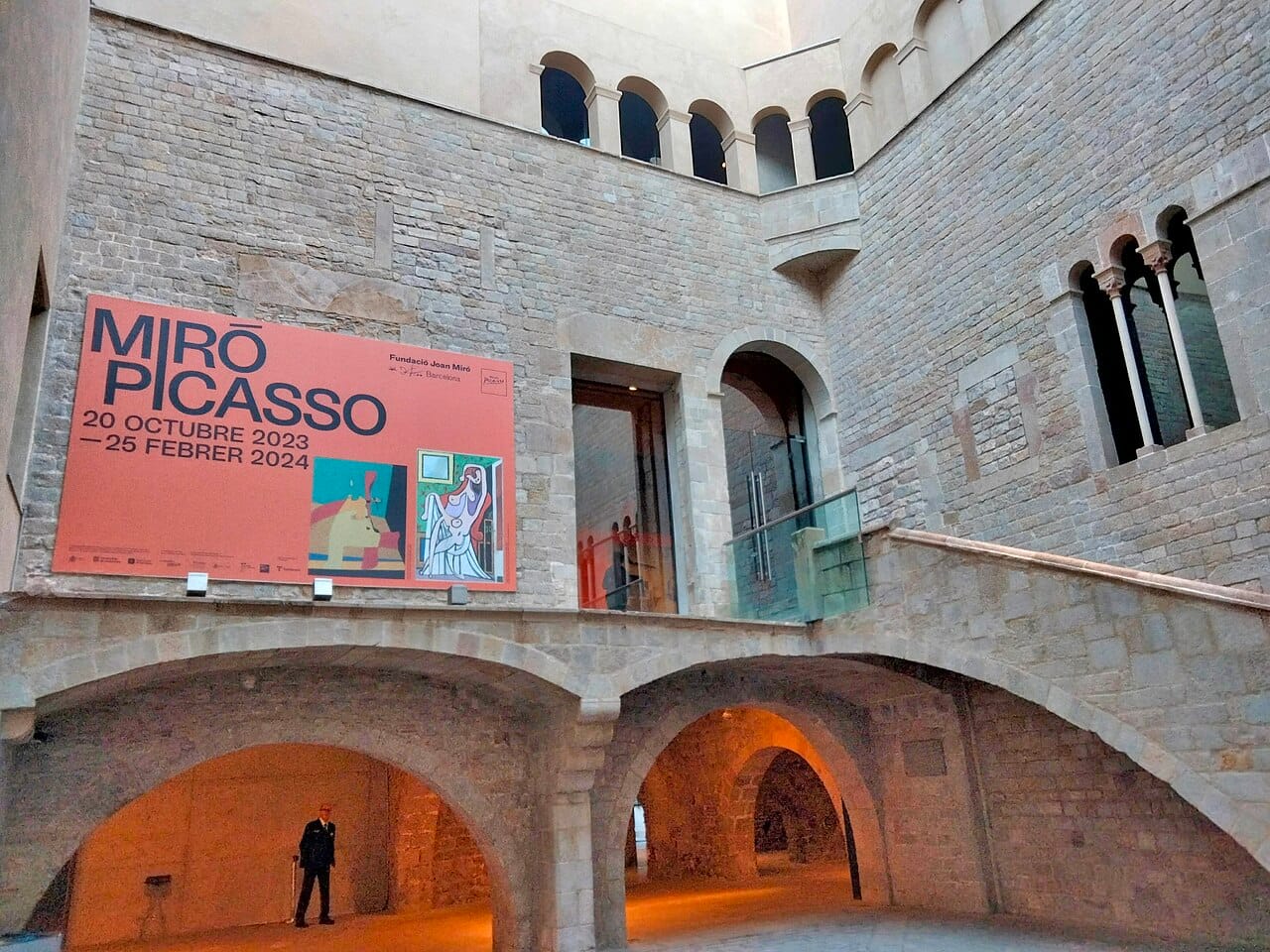
The teenage Picasso — academic, astonishing — and then the fifty-eight riffs on Las Meninas that show exactly what he broke and why. In five medieval palaces; book ahead, Thursdays evenings are free.
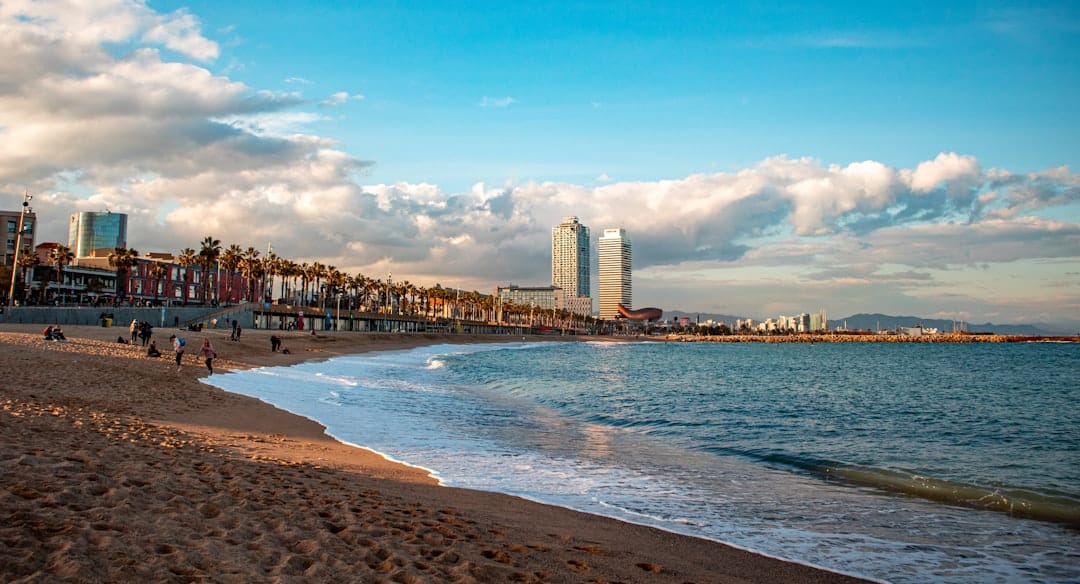
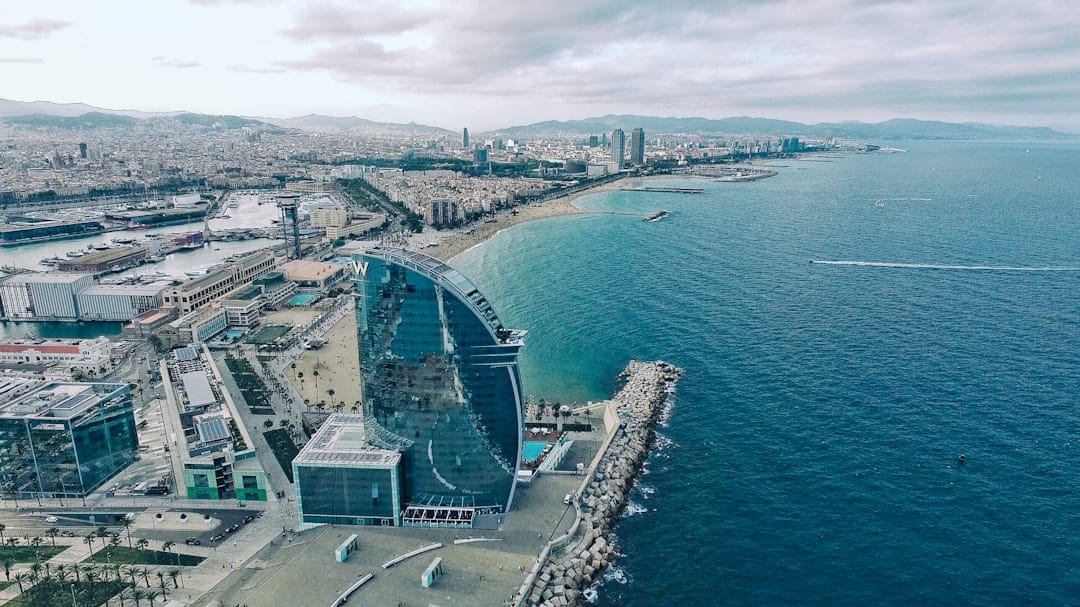
A real city beach ten minutes' walk from a Gothic cathedral — swim, then walk the seafront north past the sail-shaped hotel as the volleyball games start. May to October the water's yours.
After dark at Plaça d'Espanya, the fountain below the Palau Nacional runs a free light-and-music show. Cheesy, and completely worth it — check the timetable, it doesn't run every night.
Old anti-aircraft platforms on a bare hilltop with the best 360° of Barcelona — Sagrada Família to the sea in one sweep. Bring something to drink; half of young Barcelona already has.
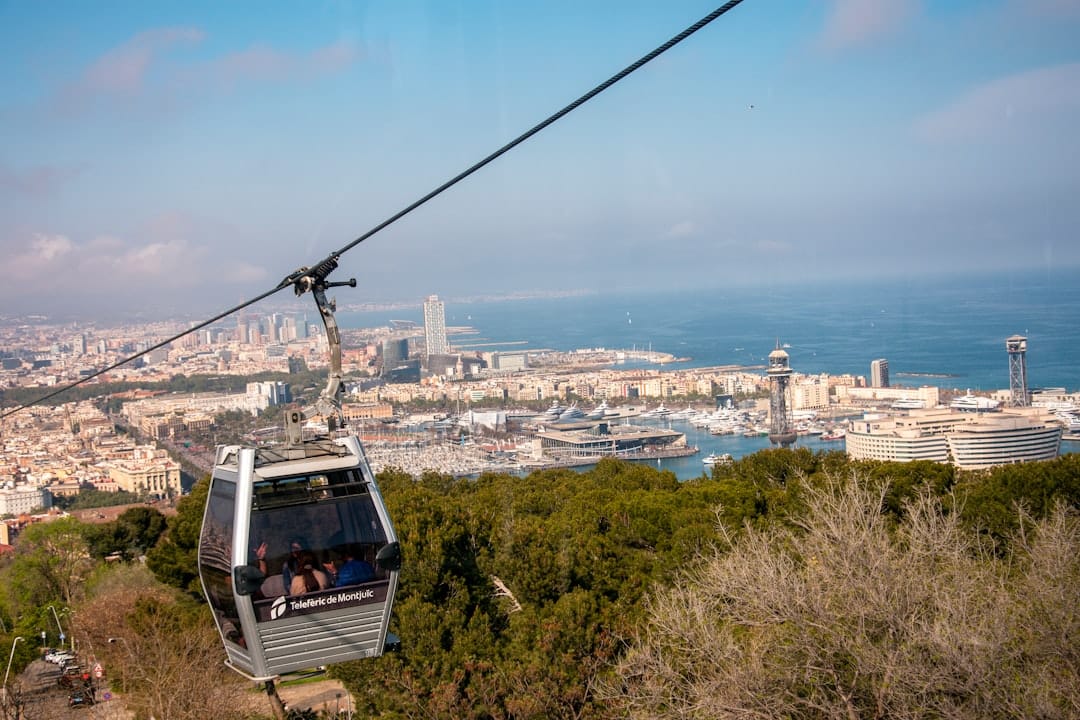
Ride up over the port to the castle, then wander down through gardens to the Miró museum and the Magic Fountain. A whole green afternoon hanging above the city.
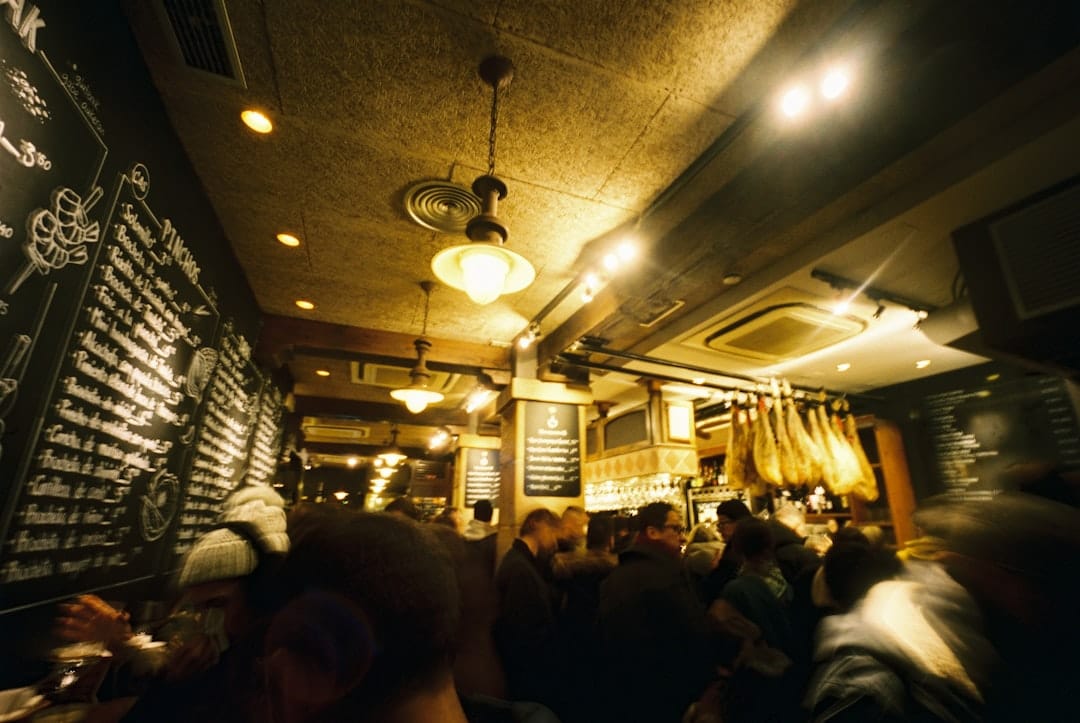
A pedestrian street of bars where everything on the counter costs a euro or two — take a plate, spear what you like, they count the toothpicks at the end. Dinner for a tenner, done the fun way.
Plaça del Sol and its sisters fill every night with people on terraces and kerbs, drinks from the corner shop, guitars appearing. The unticketed, unmarketed real nightlife of the city.
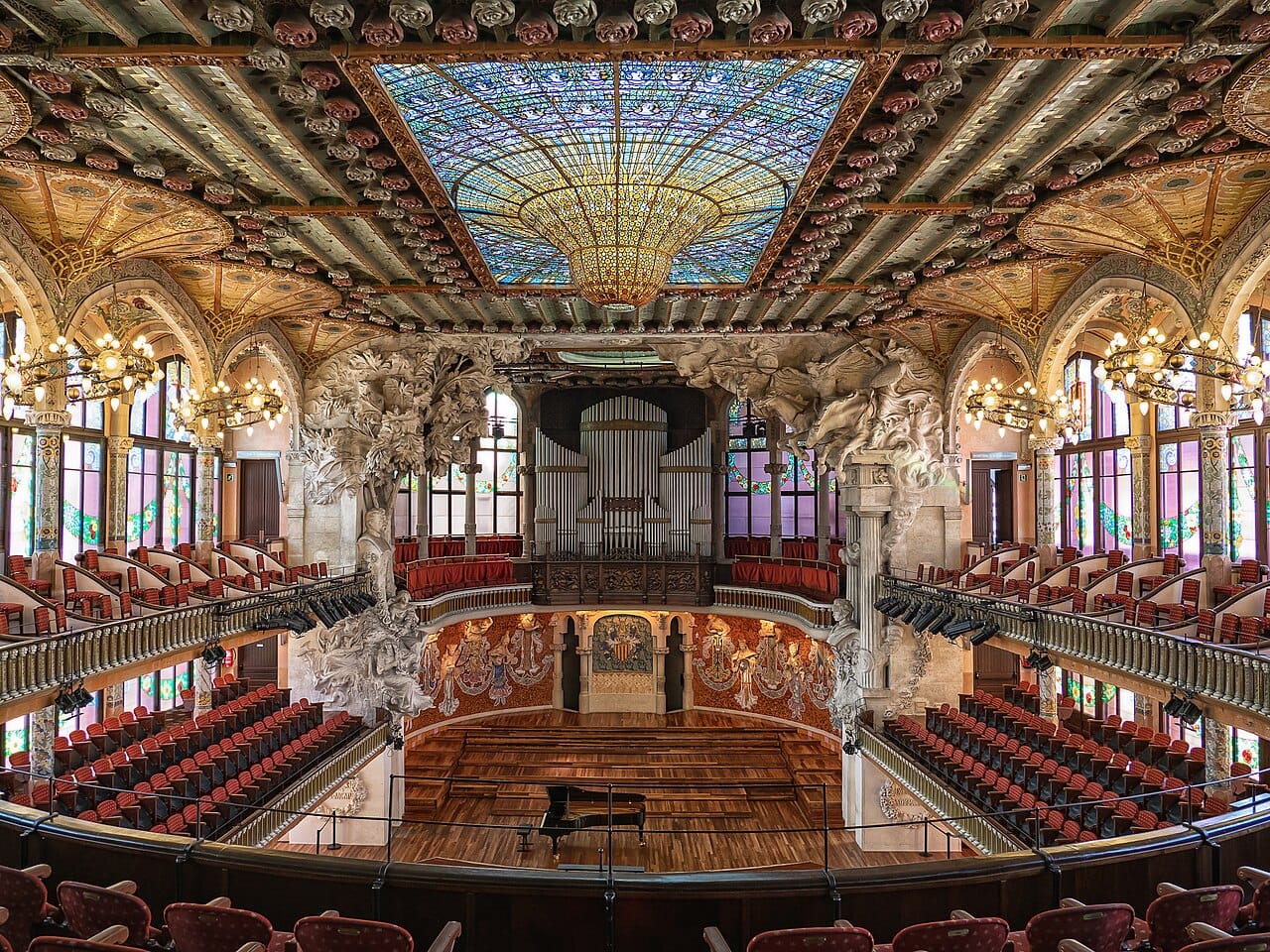
A modernista concert hall so over-the-top it's almost funny — a stained-glass sun hanging from the ceiling, flowers climbing the walls. Do the tour, or better, catch a night of live guitar.
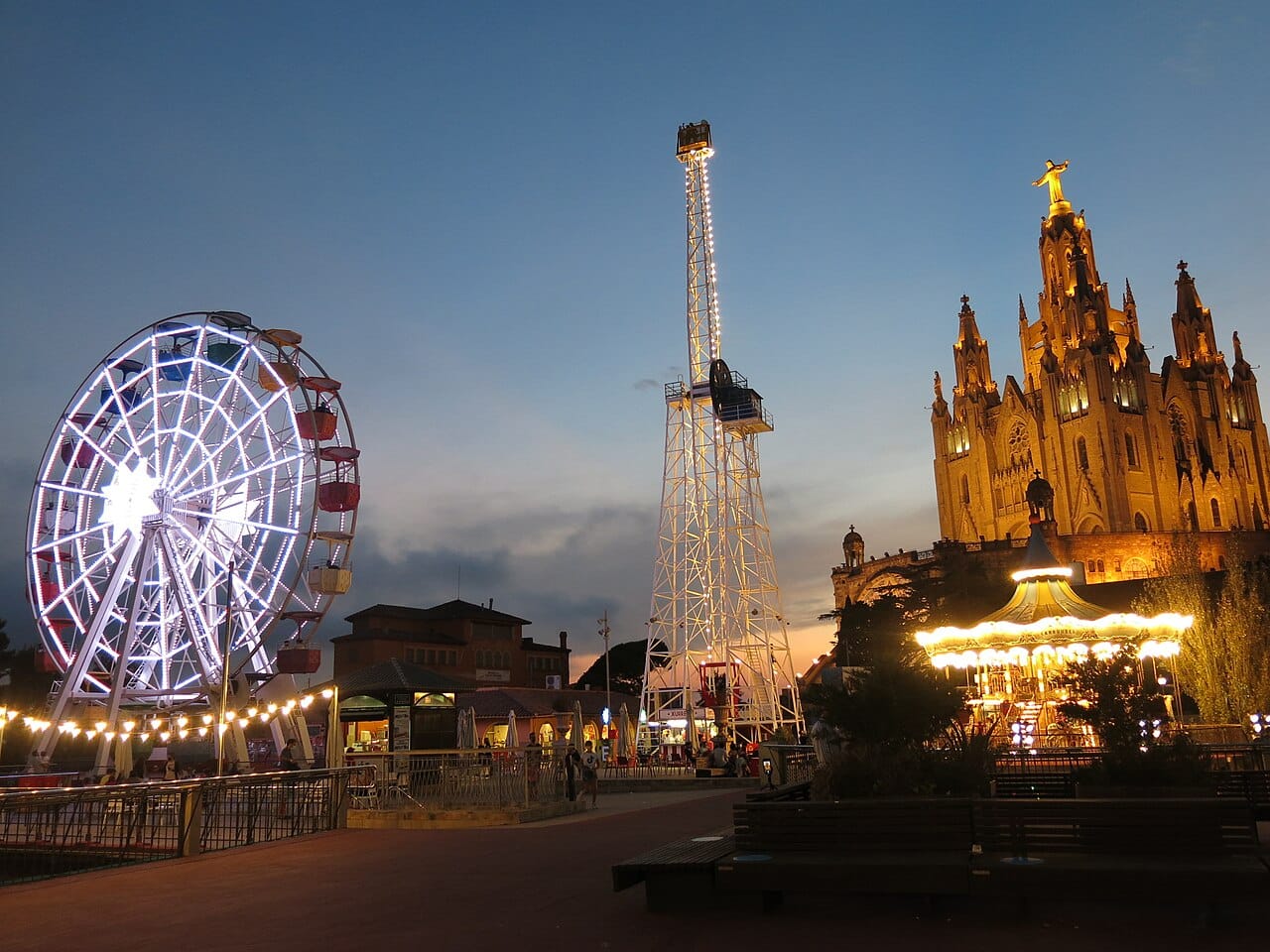
The old-fashioned funfair on the mountain-top, ferris wheel spinning above the whole city and sea. Ride the 1900s tram up at dusk — half the view is the point.
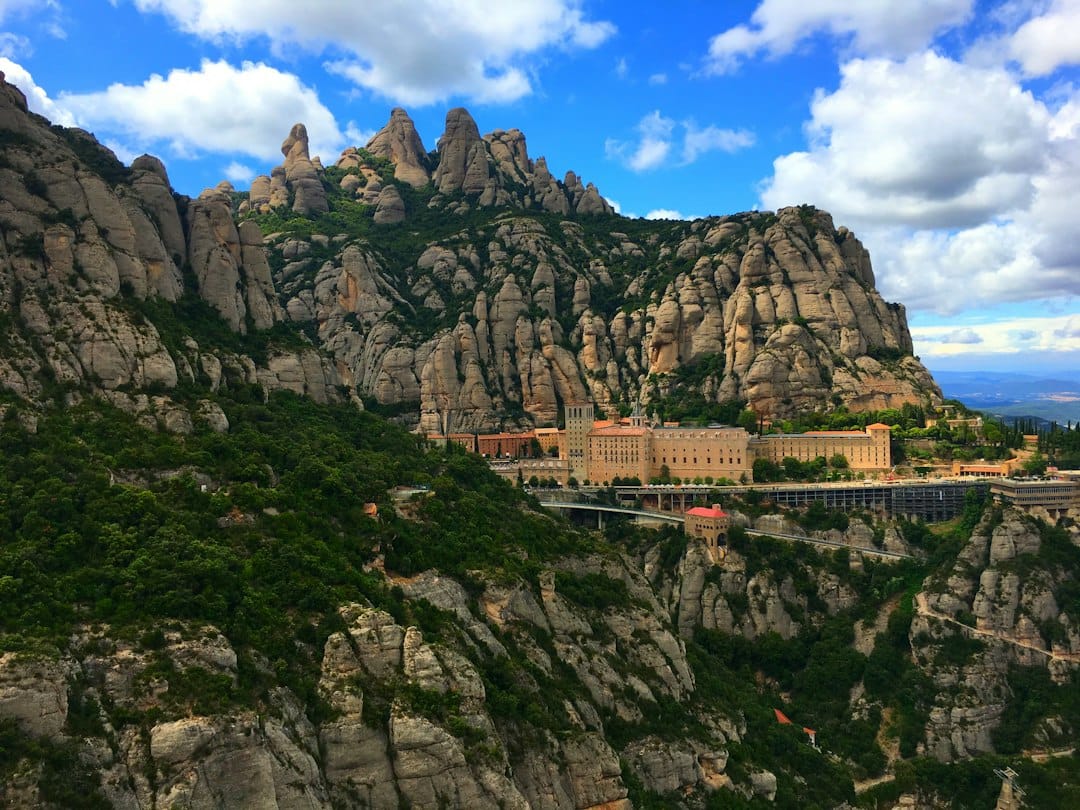
The serrated holy mountain an hour out, with a famous monastery, a black Madonna, and cable-car and hiking trails among the surreal rock pillars. Catalonia's spiritual heart and a grand day trip.
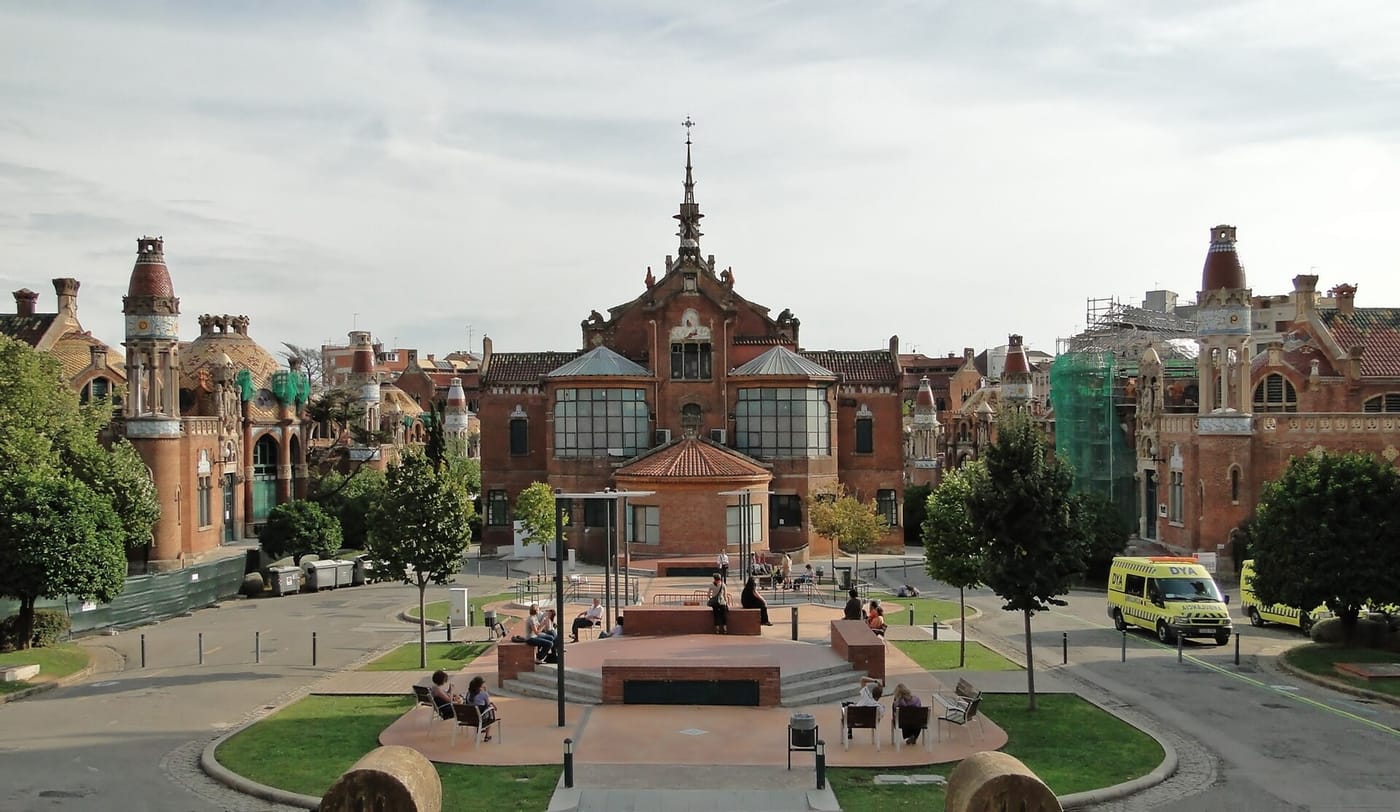
A dazzling Art Nouveau former hospital, a fantasyland of mosaic pavilions and tiled domes and a UNESCO site — Gaudí's less-famous rival, and far quieter than his work. A gorgeous surprise.
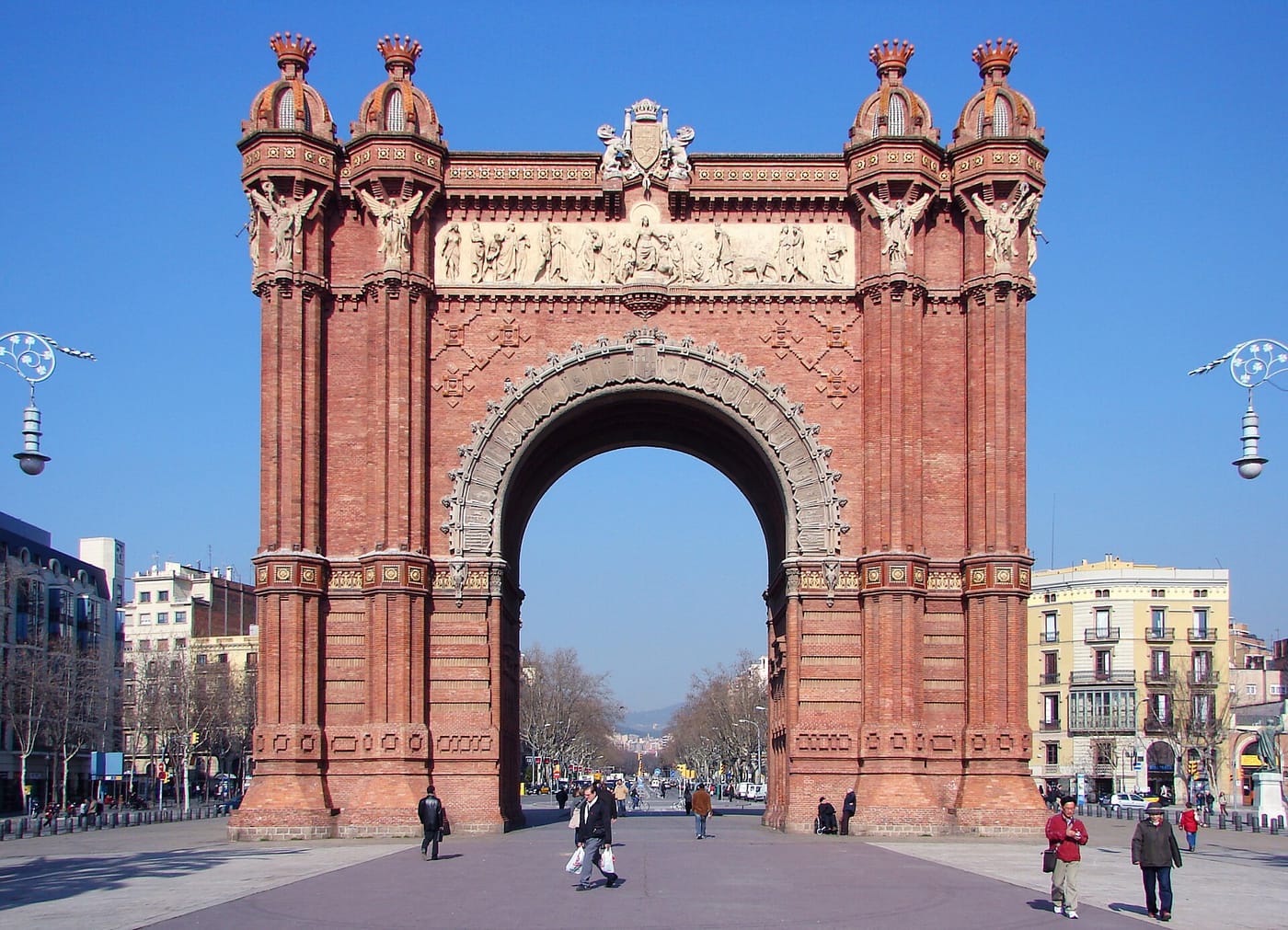
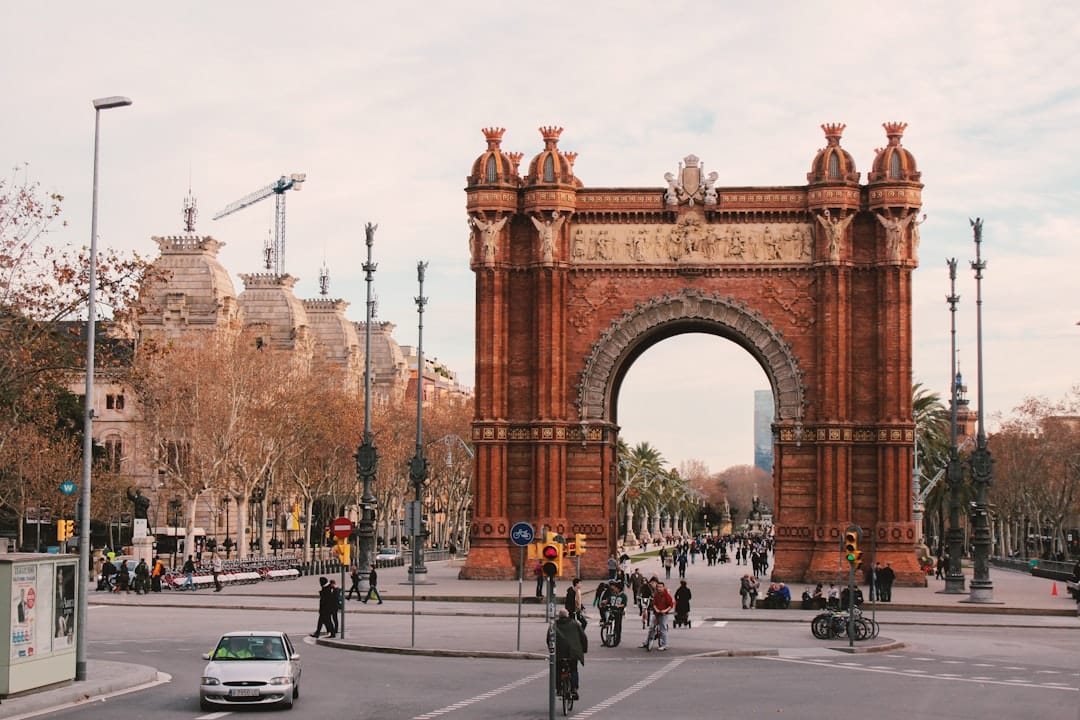
The city's central park — a monumental Arc de Triomf, a grand cascade fountain (with a young Gaudí's hand in it), rowing boats and shady lawns. Barcelona's green heart.
Prices are relative to Spain, a mid-range country.
Historic core
The centreTwo thousand years of city packed into shadowed medieval lanes — Roman walls, hidden squares, the Picasso Museum. Atmospheric and loud at night; pick a room off the main drags.
What’s here
Gaudí / grand avenues
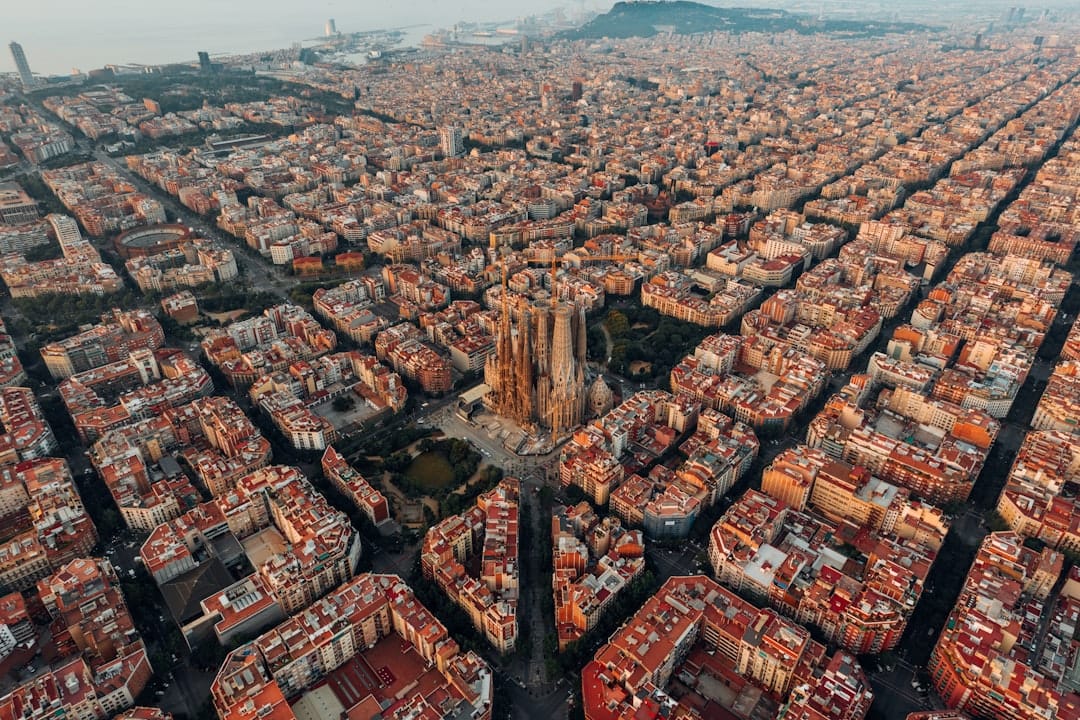
8 min · 2 kmThe elegant grid — wide pavements, modernista facades, Gaudí's two great houses and the Sagrada Família at its edge. Comfortable, central, slightly corporate after dark.
What’s here
Village / squares
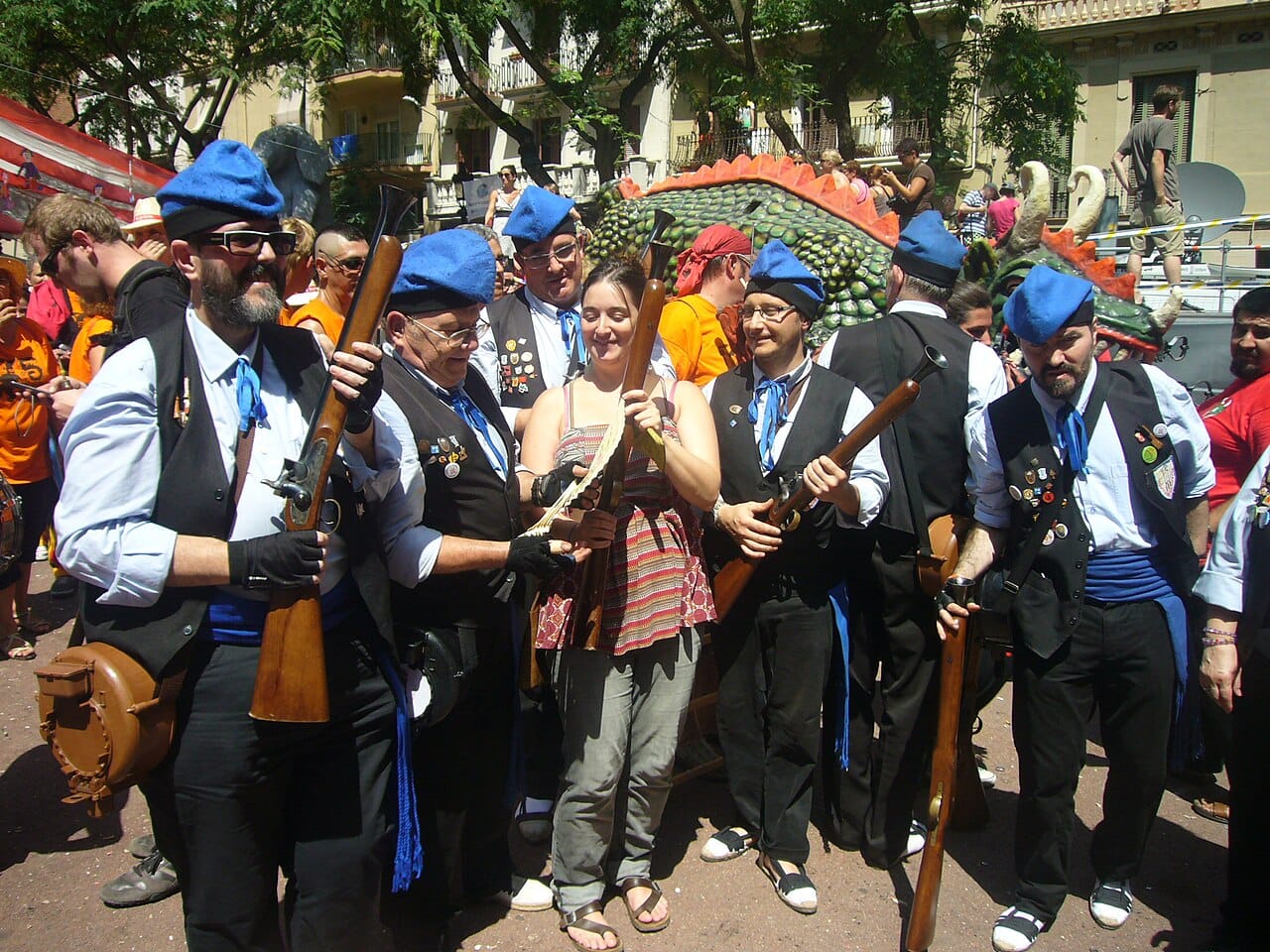
14 min · 3.5 kmA swallowed village that never surrendered — small squares, family bars, its own festival, almost no monuments. The neighbourhood people move to when they fall for the city.
What’s here
Tapas / evenings
9 min · 2.5 kmThe eating-and-drinking belt under Montjuïc hill — pintxo bars the length of Carrer de Blai, vermut counters, real prices. Barcelona's best value base right now.
What’s here
Beach / seafront
10 min · 2.5 kmThe old fishermen's quarter turned city beach — narrow lanes of drying laundry opening onto sand and seafood. Fun, salty and rowdy in summer; you're here for the water, not the quiet.
What’s here
Worth knowing: No calm-and-quiet guarantee anywhere central in high summer — Barcelona is Europe's densest tourist city in August. Gràcia is the closest thing.
1 hr 10 min away
A monastery wedged into serrated rock pinnacles, with hikes above it and the Black Madonna inside. Go early, hear the boys' choir at 1pm, walk to Sant Jeroni if your legs agree.
FGC train from Plaça Espanya + rack railway or cable car
40 min away
Seventeen beaches, whitewashed old town, palm-lined promenade — the easy escape when Barceloneta gets too much. Legendary carnival in February.
R2 train from Passeig de Gràcia
38 min by high-speed train away
Rainbow houses over the river, a massive cathedral, and Europe's best-preserved medieval Jewish quarter — plus half of Game of Thrones' Braavos. Compact enough for a day.
AVE/Avant from Sants
1 hr 15 min away
Roman Tarraco — an amphitheatre on the seafront, circus vaults under the old town, and golden beaches after your ruins. Rome-lite with sand.
Regional train from Sants
Best time to go
May–June and September. Warm enough for the beach, cool enough for the hills, and the light does its golden thing over the rooftops.
Cheapest: November–March. Mild by any northern standard, sights queue-free, and the city belongs to its residents again — the best season to actually like Barcelona.
Pick your dates above and we’ll tell you exactly what the weather does then.
September
26° / 19°C
Some rain
Good time to goBarcelona is the rare big city that gives you everything in one walkable rectangle: a medieval core, a beach you can reach on foot, and an architect who bent the whole skyline into waves. It's also Europe's most visited-per-square-metre city, and it knows it — the Rambla is a tourist conveyor belt, and the good version of Barcelona starts one street either side of it. Eat late, embrace the vermut hour, and spend at least one evening up a hill watching the city meet the sea. Three nights minimum; the beach will argue for five.
Add it and help the next traveller plan like they’ve got a friend in town.
+ Suggest a hidden spotLast updated 19 July 2026. Cities are refreshed, not written once.