The Prado
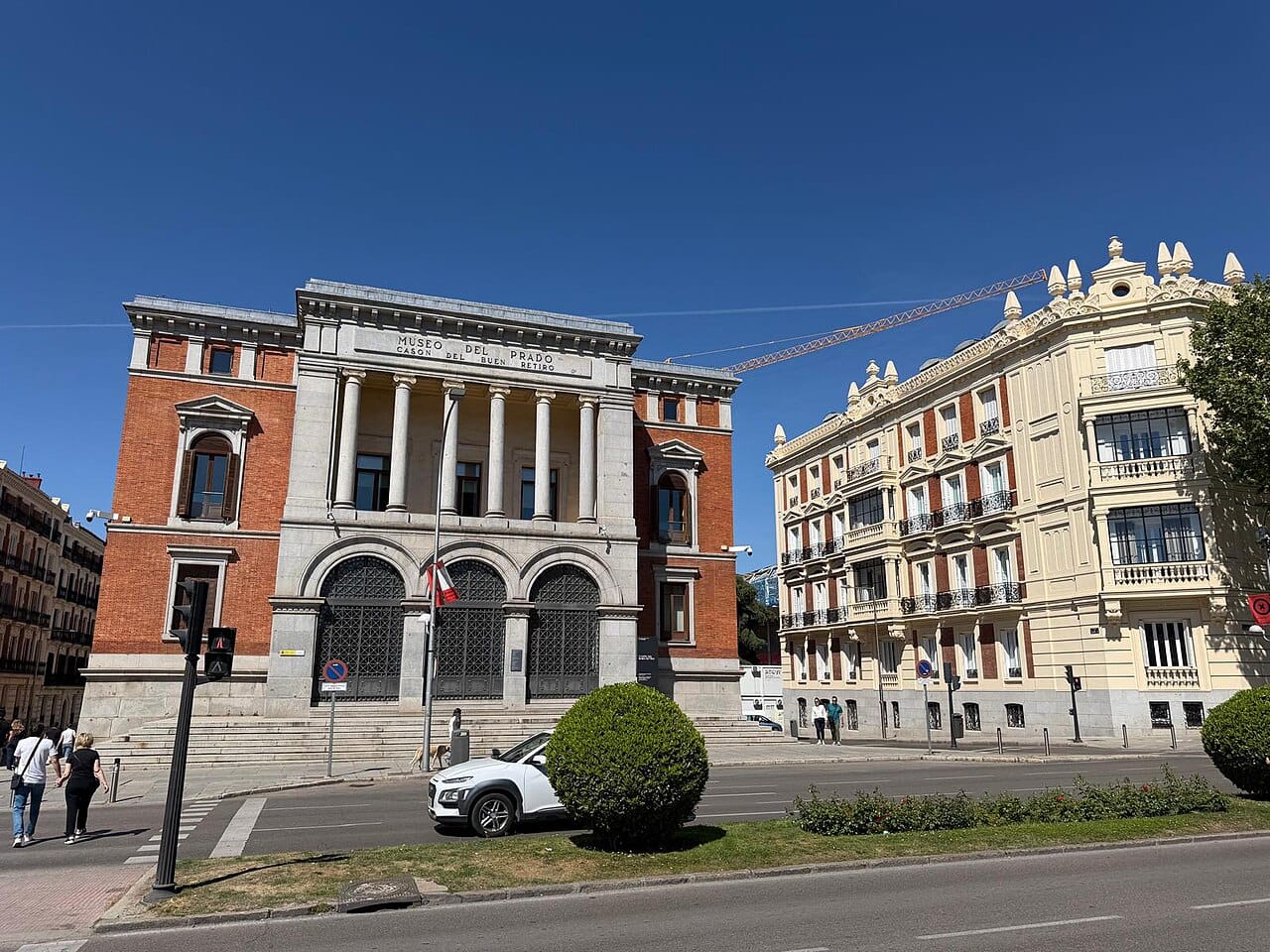
One of the greatest painting collections anywhere — Velázquez's Las Meninas alone justifies the trip. Don't try to see it all: pick two wings, go slowly, leave.
€15, free 6–8pmRetiro & Paseo del Prado
Tap any one to see the photo and what it is — or hit ✓ to add it straight to your plan.
Like a local
The real spots and the timing — from locals, not guidebooks. The stuff a top-10 list will never give you.
Vermouth and the Sunday Rastro
📍 La Latina
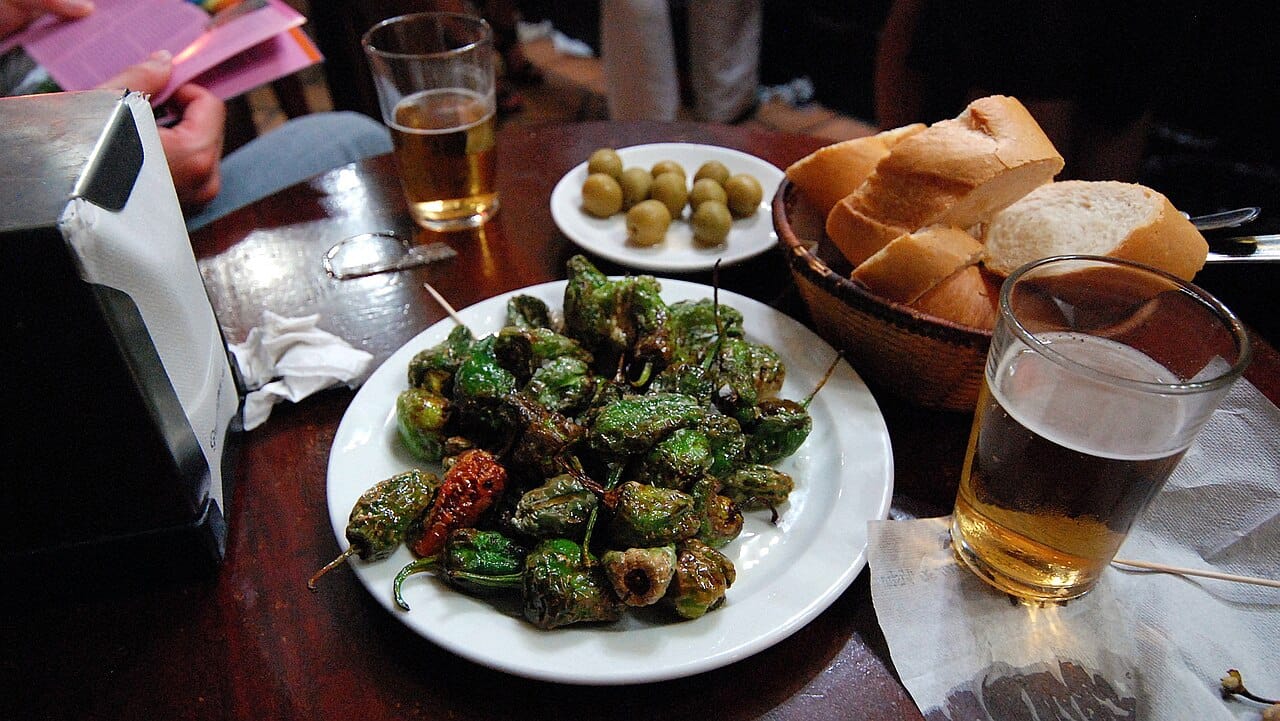
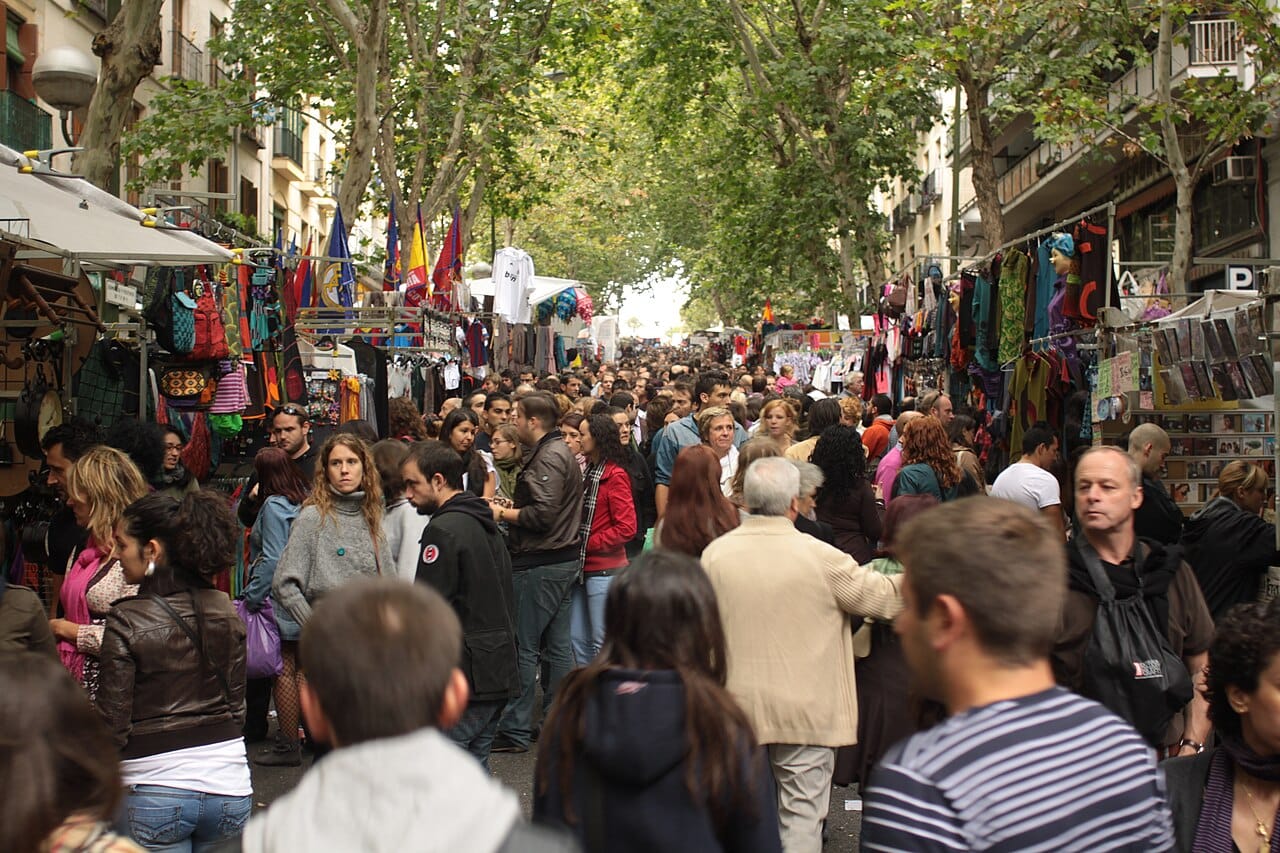
Sunday is 'la hora del vermut' — a vermouth before lunch, best after browsing the sprawling Rastro flea market. La Latina's Cava Baja is the tapas-crawl street; go bar to bar, one bite each.
Dinner is late, very late
📍 everywhere
Madrileños eat lunch at 2–3pm and dinner rarely before 9–10pm. The nightlife ('la marcha') starts near midnight and runs till dawn. Adjust — an early dinner marks you instantly as a visitor.
Rooftops and rooftop churros
📍 Centro
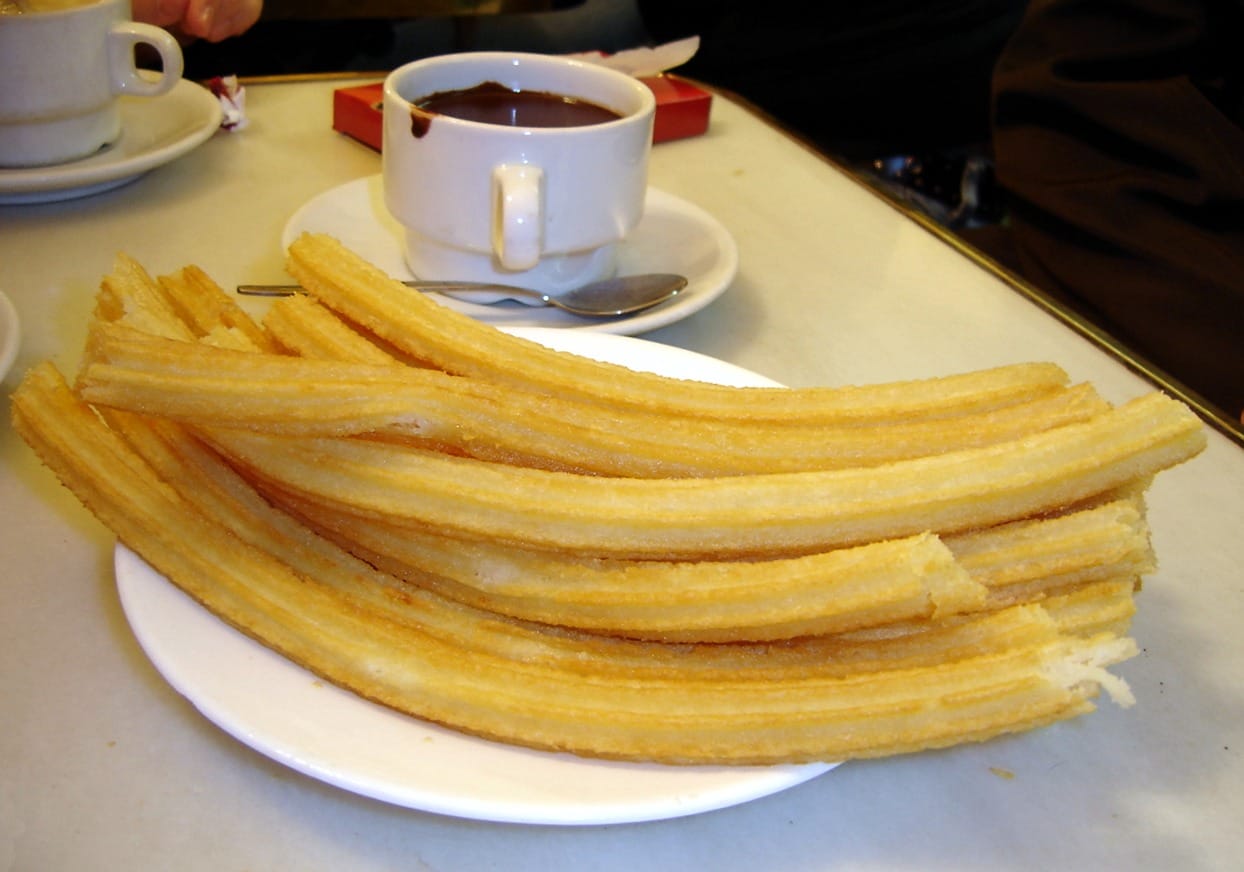
Locals climb to free-ish rooftop terraces (Círculo de Bellas Artes, department-store roofs) for the sunset. And after a big night, chocolate con churros at San Ginés at 3am is the ritual finish.
Tap a vibe, or pick a few things above and we’ll find the closest area.
Pick a vibe above, or tap a few things to do — the best area to stay appears here.
Type its name and I’ll tell you what area it’s in and how far it is from your picks.
One of the greatest painting collections anywhere — Velázquez's Las Meninas alone justifies the trip. Don't try to see it all: pick two wings, go slowly, leave.
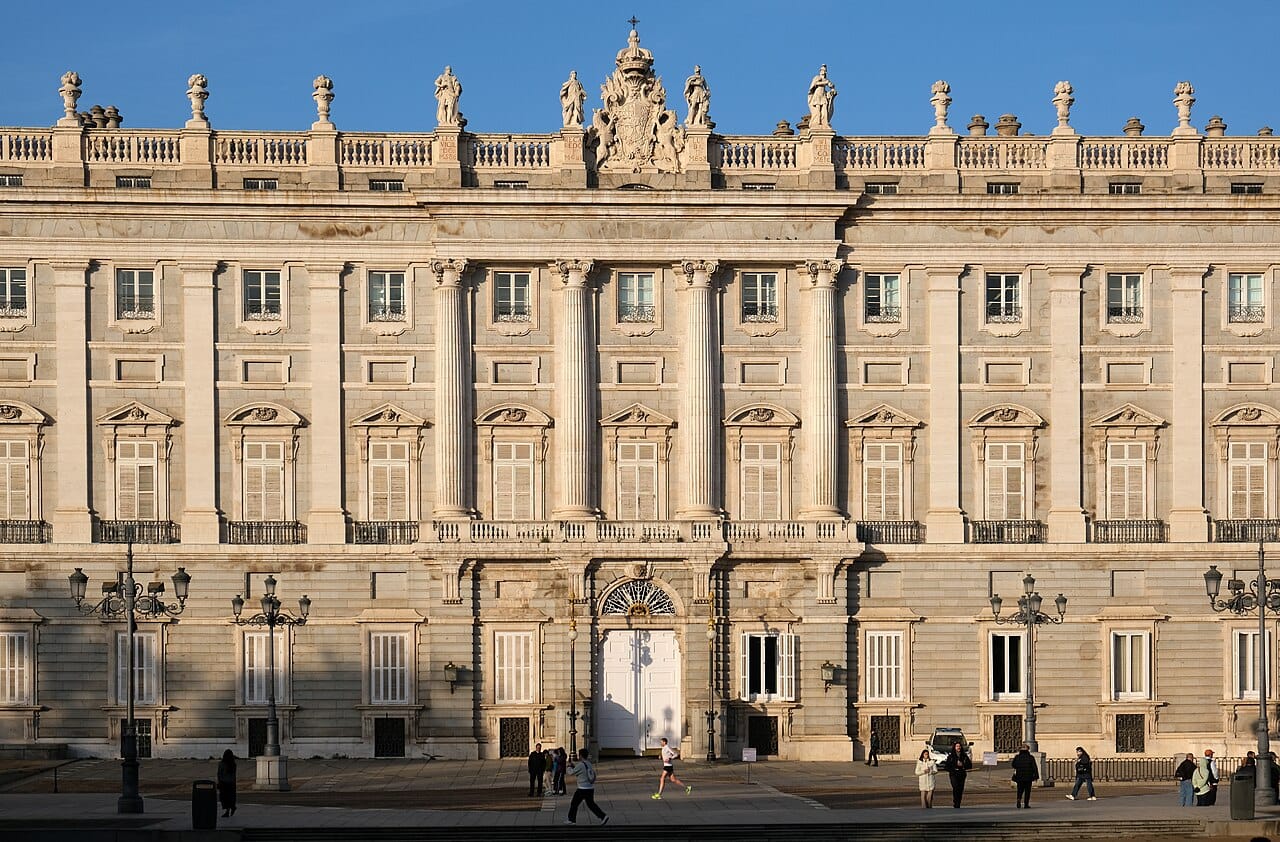
Europe's largest royal palace by floor area, and gaudy in the best way — throne rooms, a porcelain room, and the changing of the guard outside. Book online or queue.
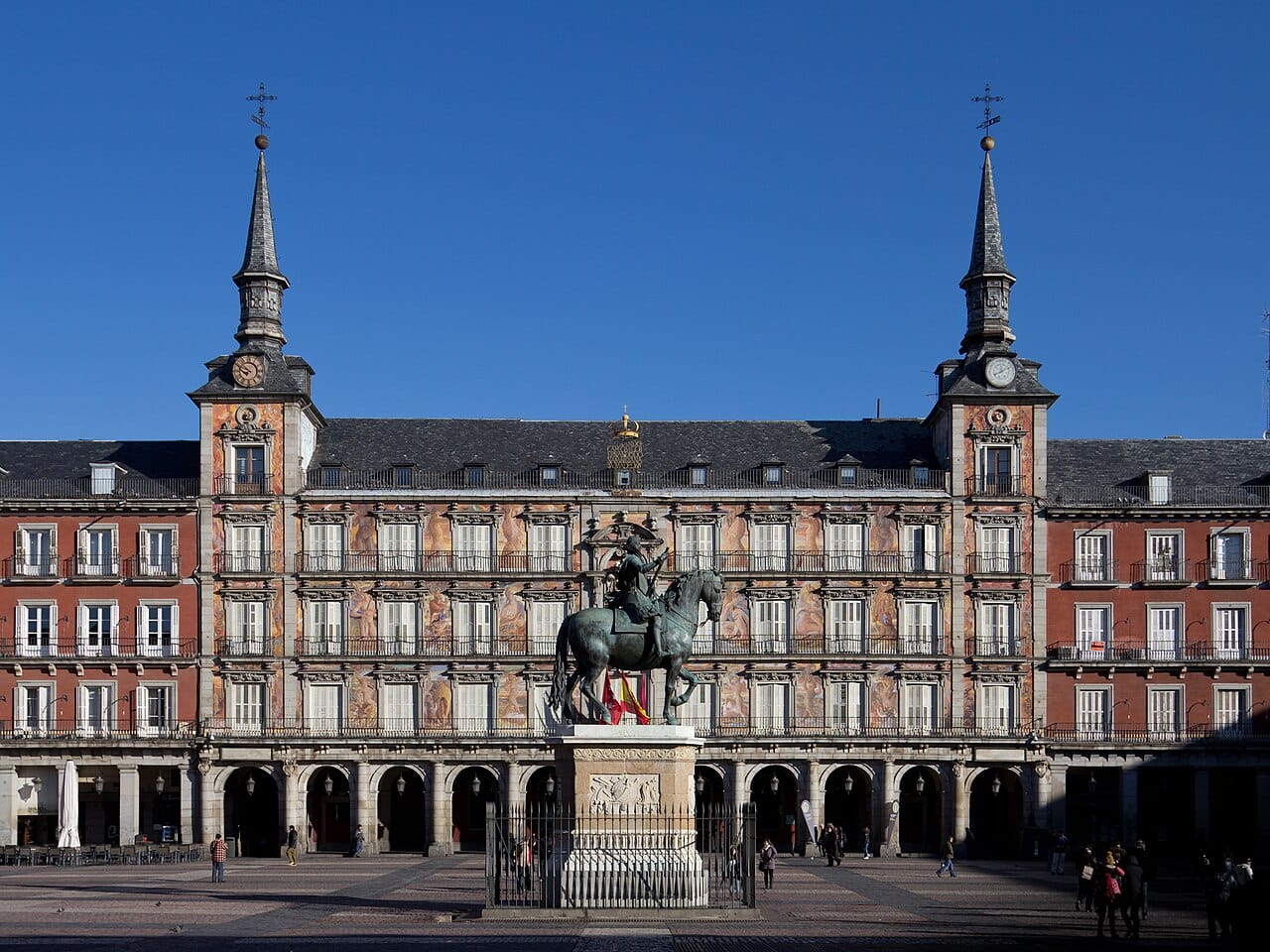
The grand arcaded square at the centre of old Madrid. The terraces on it are a tourist tax — walk through, admire it, then eat one street away.
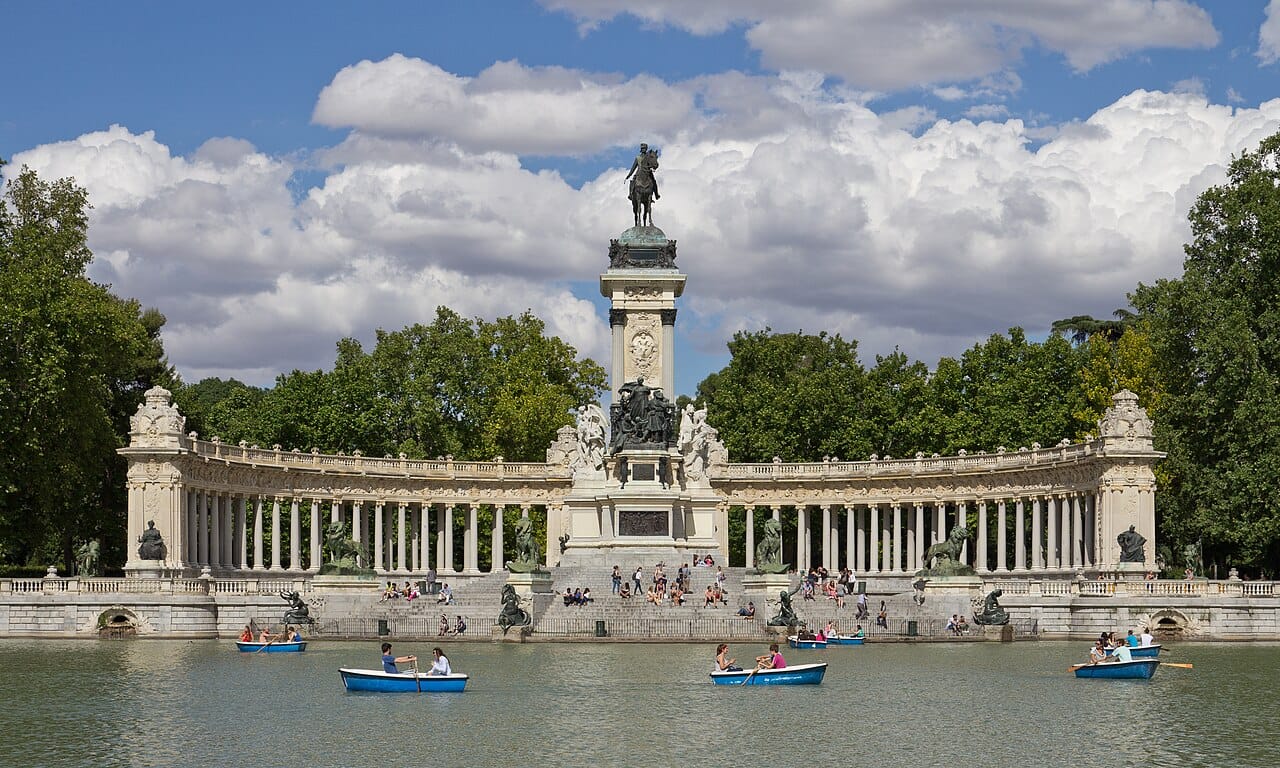
Madrid's back garden — row a boat on the lake, find the glass Crystal Palace, and watch the whole city do Sunday properly. Best in the hour before sunset.
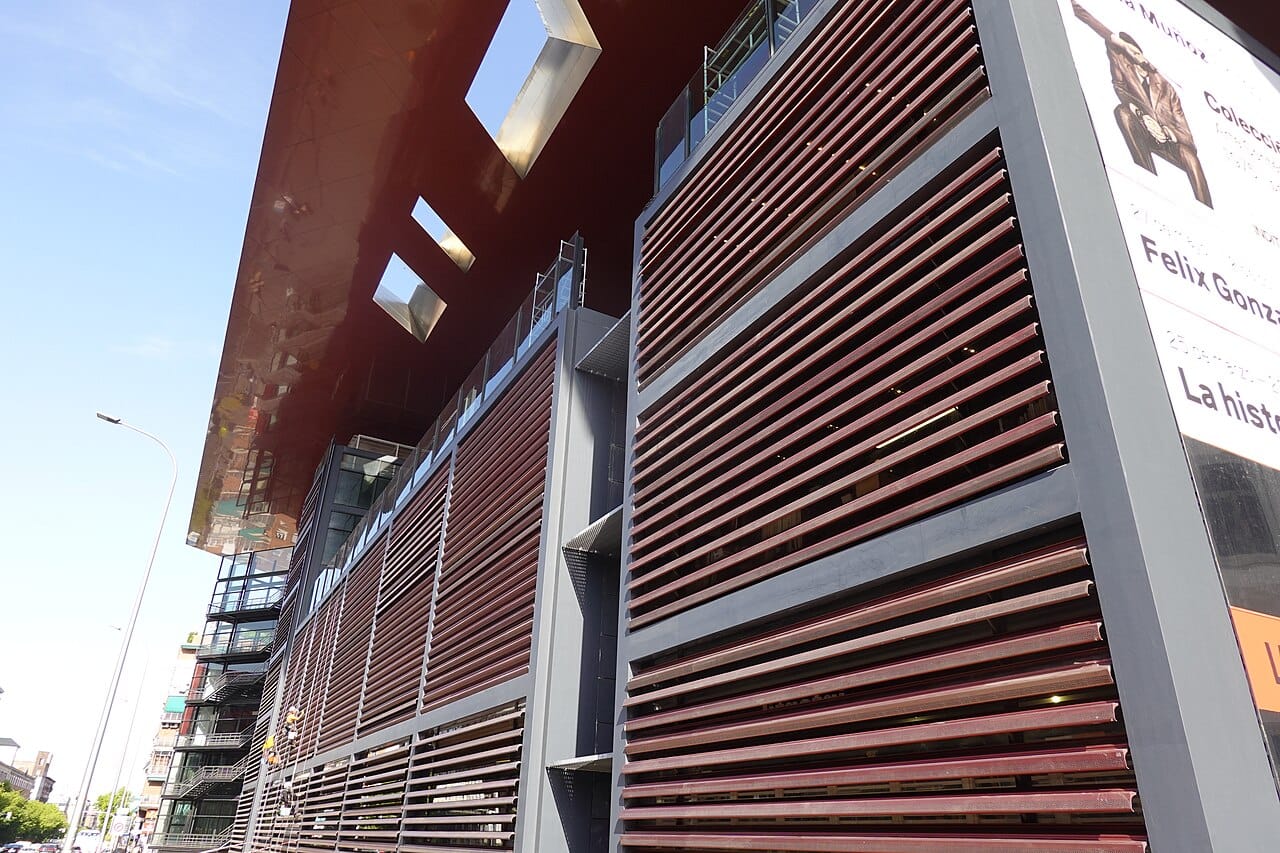
Picasso's Guernica takes up a wall and silences the room. The rest — Dalí, Miró, twentieth-century Spain — is worth the ticket on its own.
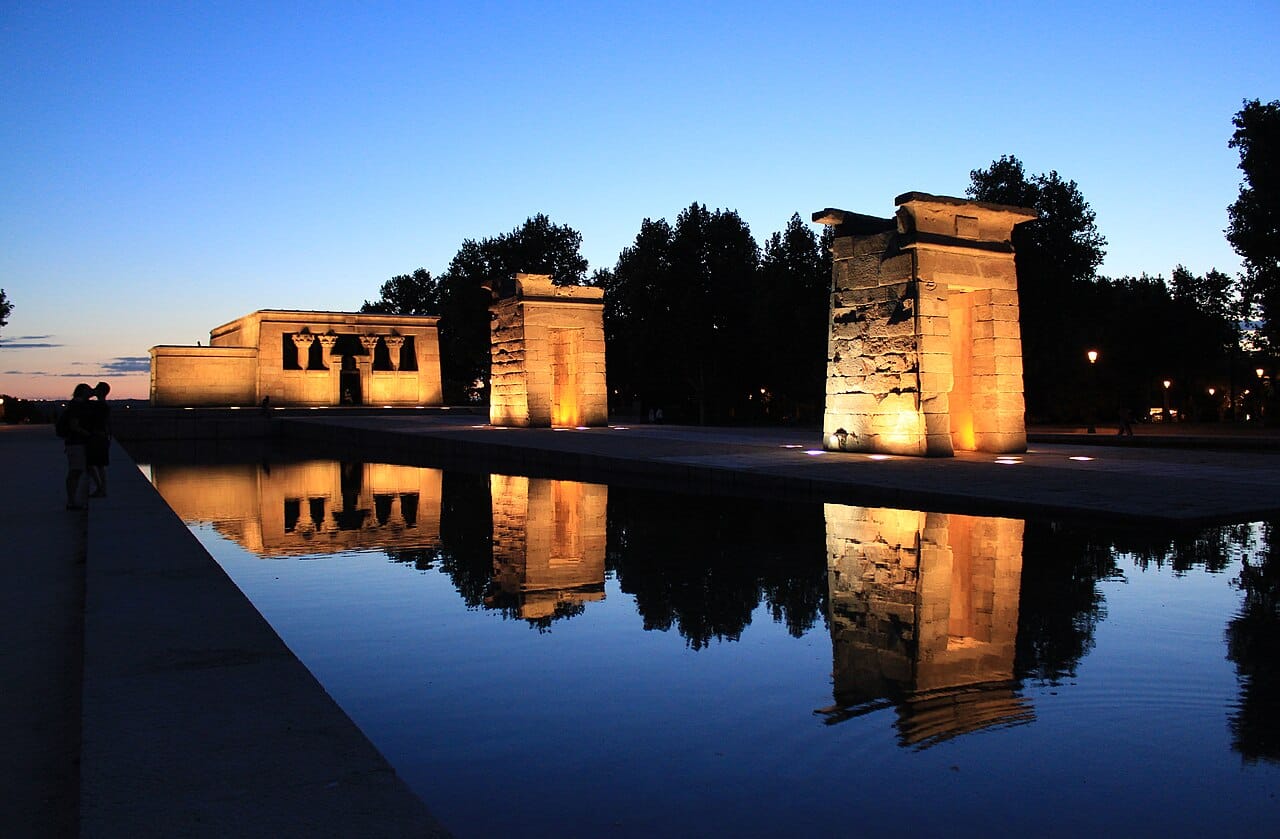
A real 2nd-century BC Egyptian temple, gifted to Spain and rebuilt on a hill west of the centre. Go for sunset — it reflects in the pool and the whole city turns up.
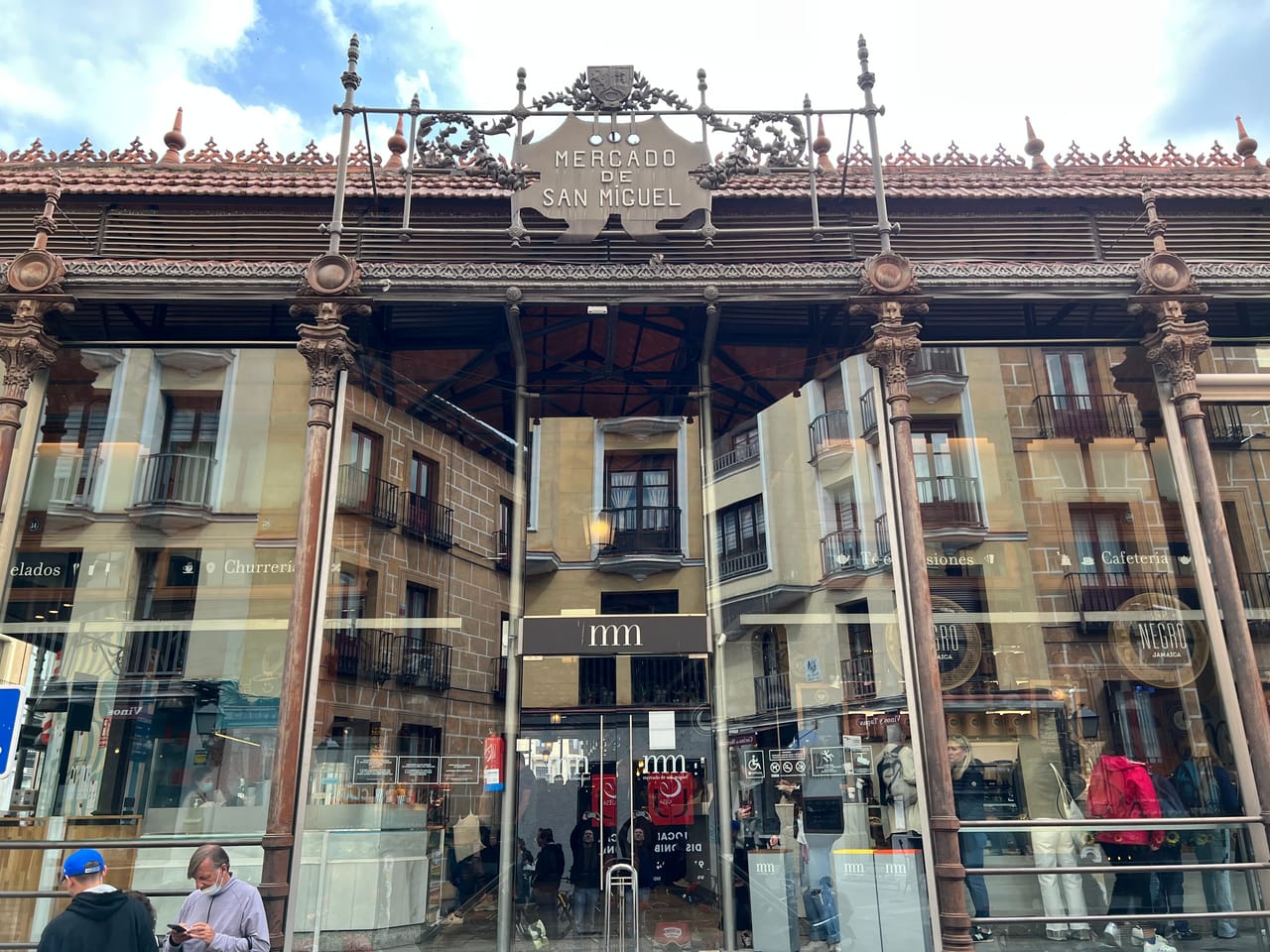
A beautiful iron-and-glass market turned tapas hall. Touristy and not cheap, but the produce is superb and it's the easiest first meal in the city.
The classic La Latina crawl — one plate and one drink per bar, then move. Sunday after the Rastro is the local ritual. Stand at the bar; it's cheaper and better.
Madrid's Broadway — early-20th-century towers, neon, and theatres still selling out. Walk it after dark when the buildings are lit and the crowds are at their best.
Open since 1894 and, more importantly, open at 4am. Thick drinking chocolate and a plate of churros — the correct end to a Madrid night out, not a breakfast.
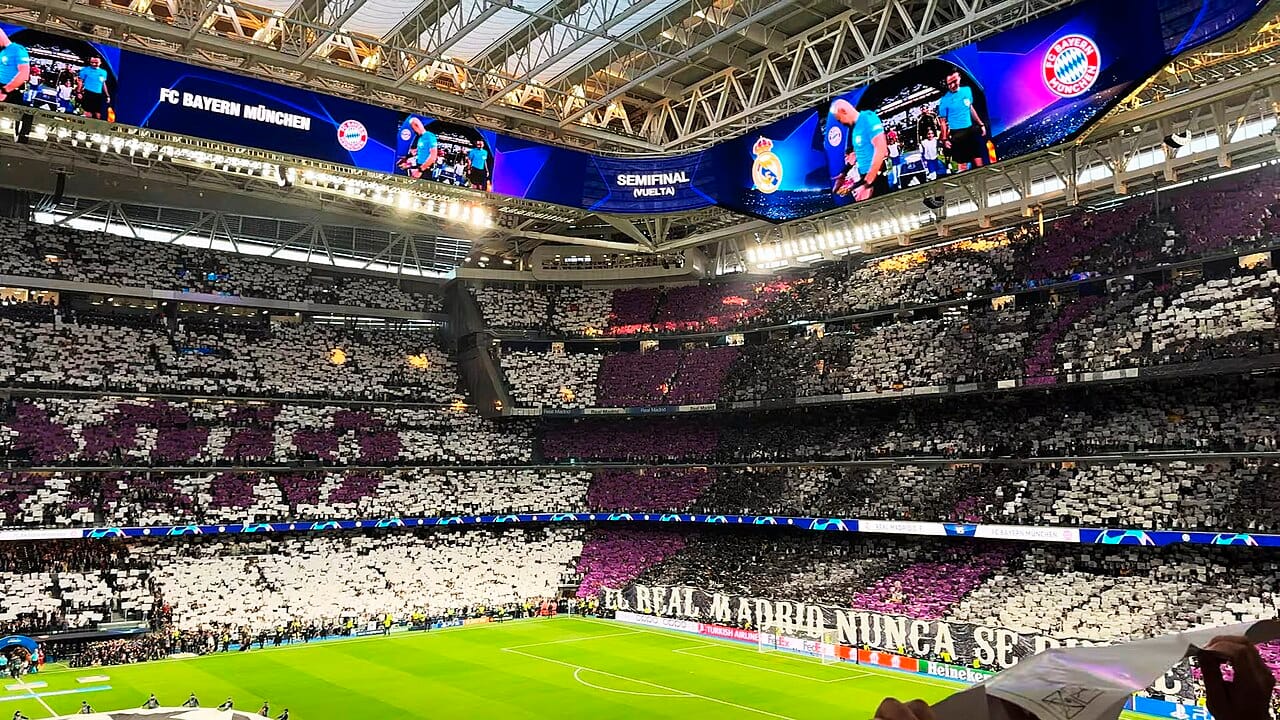
Real Madrid's rebuilt cathedral of football. The tour and trophy room are a pilgrimage; a match night in the stands is something else entirely.
The huge Sunday flea market spilling down La Latina's hills — junk, antiques, records, and the entire city out walking. Hold your bag, then go straight to the tapas.
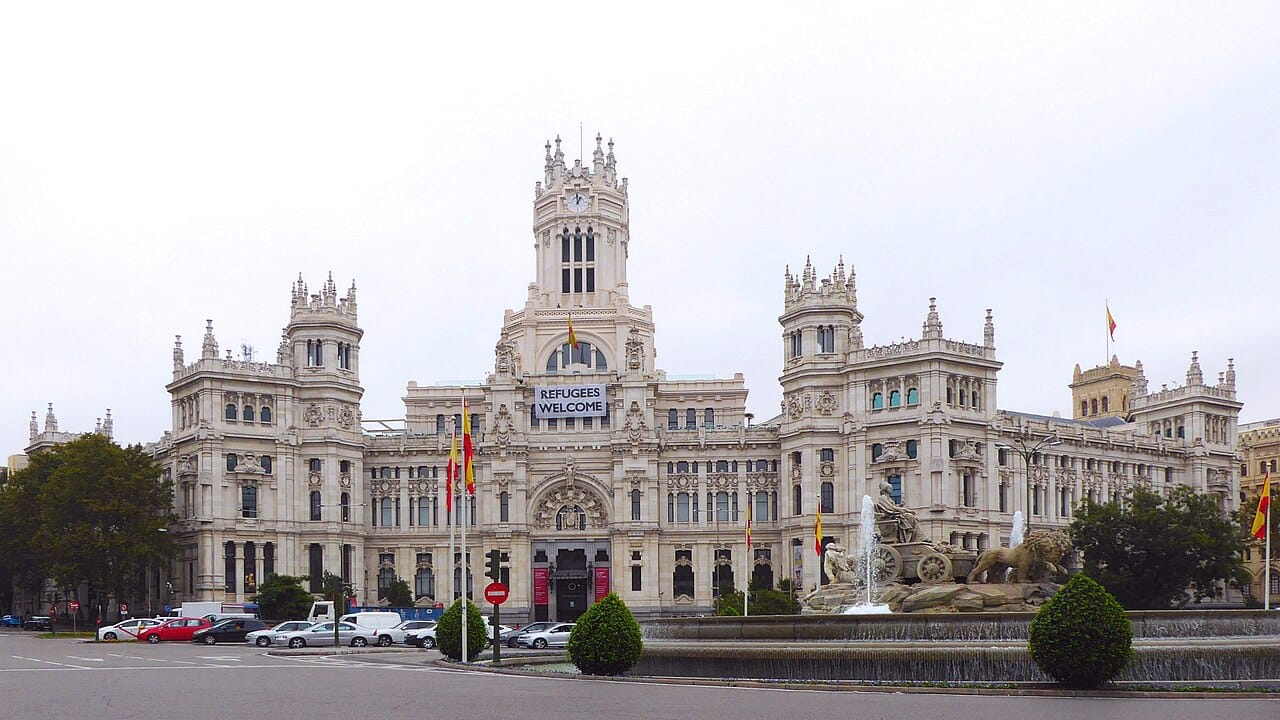
The fountain where Real Madrid celebrates, in front of a palace that turned out to be the town hall. Climb its terrace for a view straight down the boulevard.
Not Madrid's invention, but it has the oldest tablaos still running. Small room, no microphones, feet like gunfire — book the late show, it's the one the dancers mean.
Madrid goes out later than anywhere in Europe — bars fill at one, clubs at three. Malasaña is where it's least polished and most fun. Nothing starts before midnight.
The third point of the art triangle and the most enjoyable — a private collection running Titian to Hopper, room by room, century by century. Do it before the Prado tires you out.
A century-old slaughterhouse turned sprawling arts complex — galleries, film, design and a good bar, all in gorgeous industrial brick by the river. Whatever's on, it's worth it.
A little cable car that floats you from the Rosaleda gardens out over the treetops to Casa de Campo — cheap, breezy, and a view of the whole skyline for a few euros.
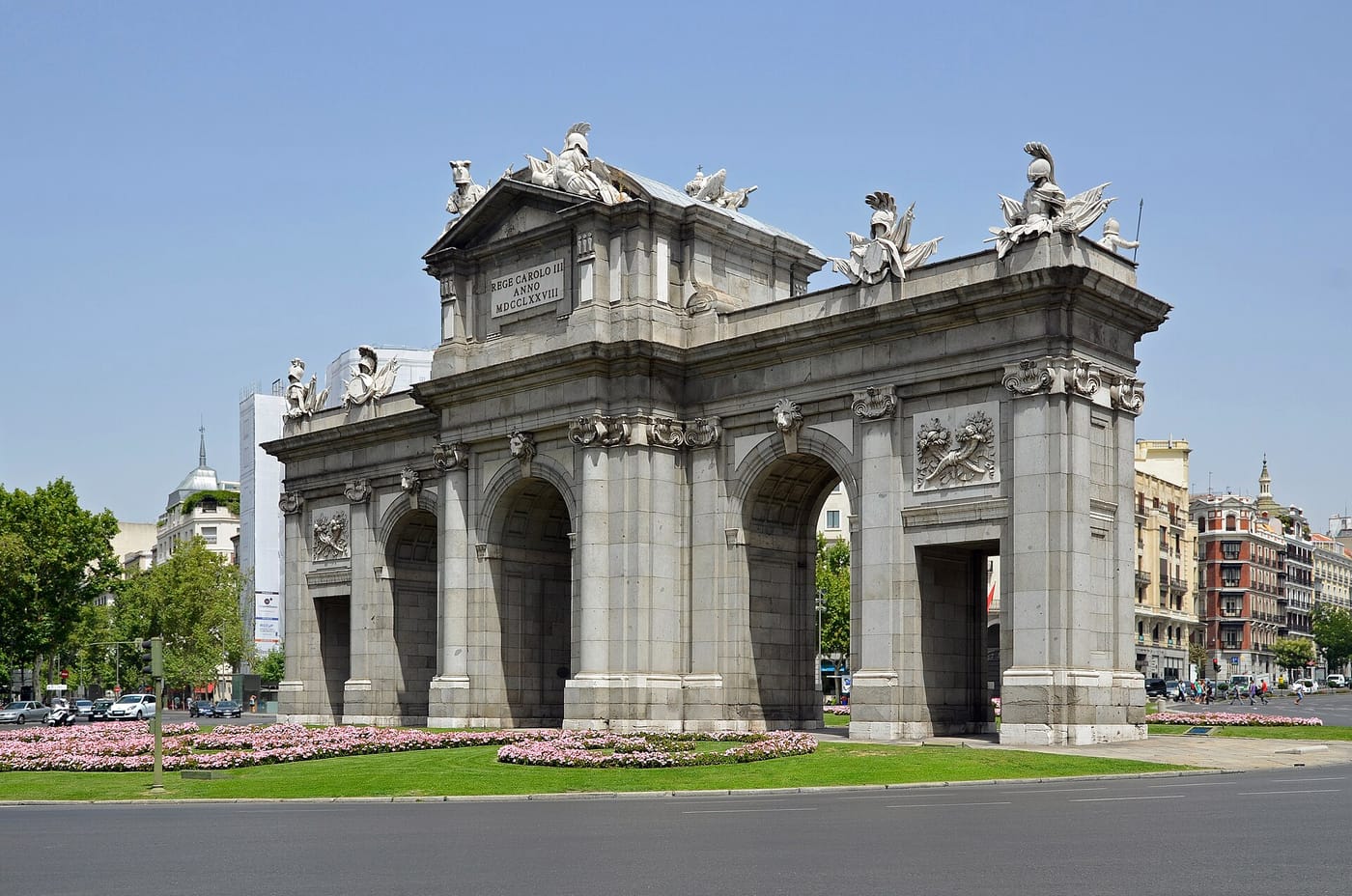
Madrid's triumphal gate, floodlit and free-standing on its roundabout — grander than any monument to nothing has a right to be. Loop past it at night.
The city's most mixed, most alive barrio — Indian canteens, tabernas, murals and terraces spilling downhill. Come hungry and just follow the noise.
Prices are relative to Spain, a mid-range country.
Dead centre
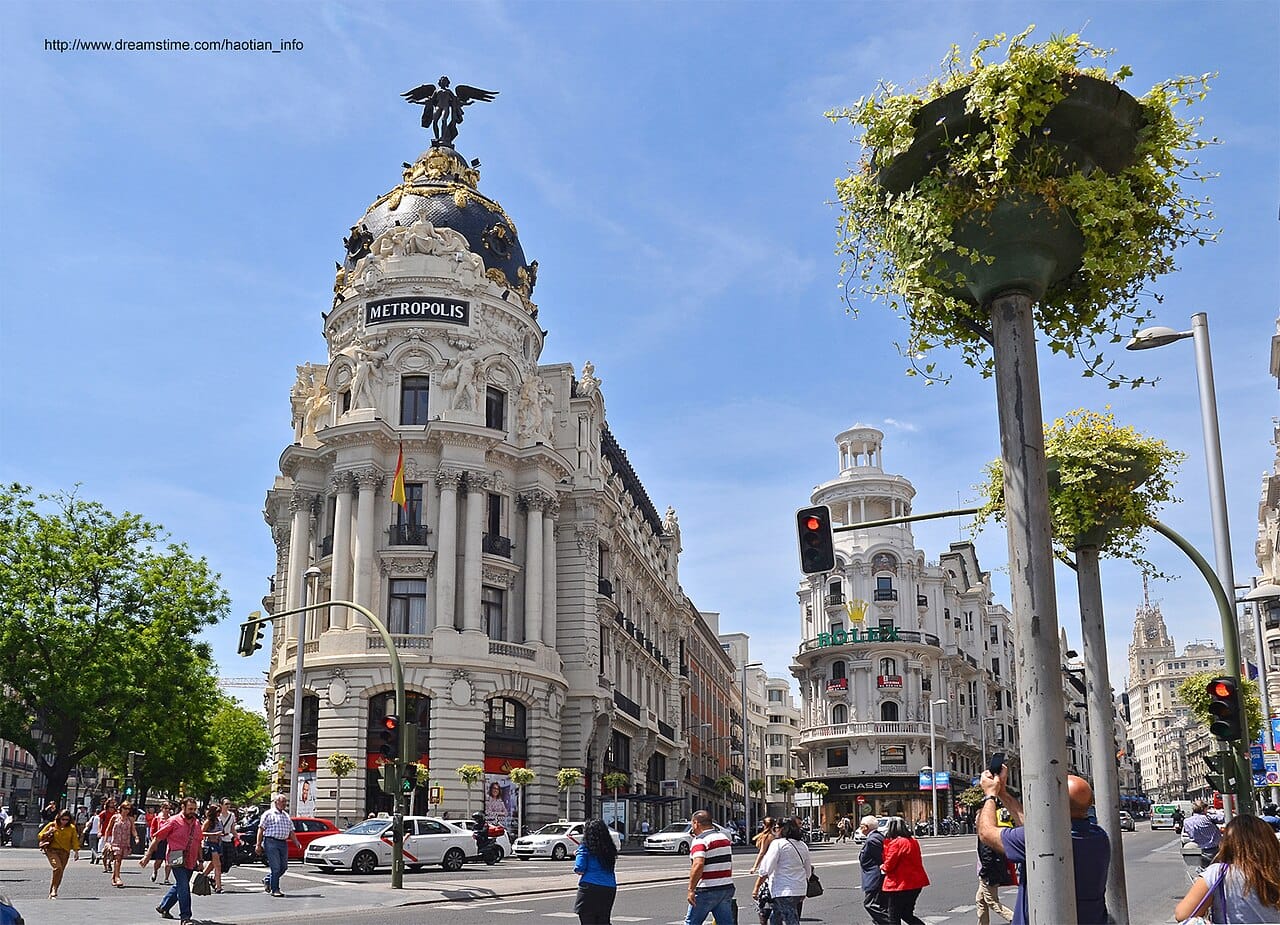
The centreThe absolute middle — Plaza Mayor, the Royal Palace and the big shopping streets all on foot. Loud, floodlit and never empty; brilliant for a short first trip, less so if you're a light sleeper.
What’s here
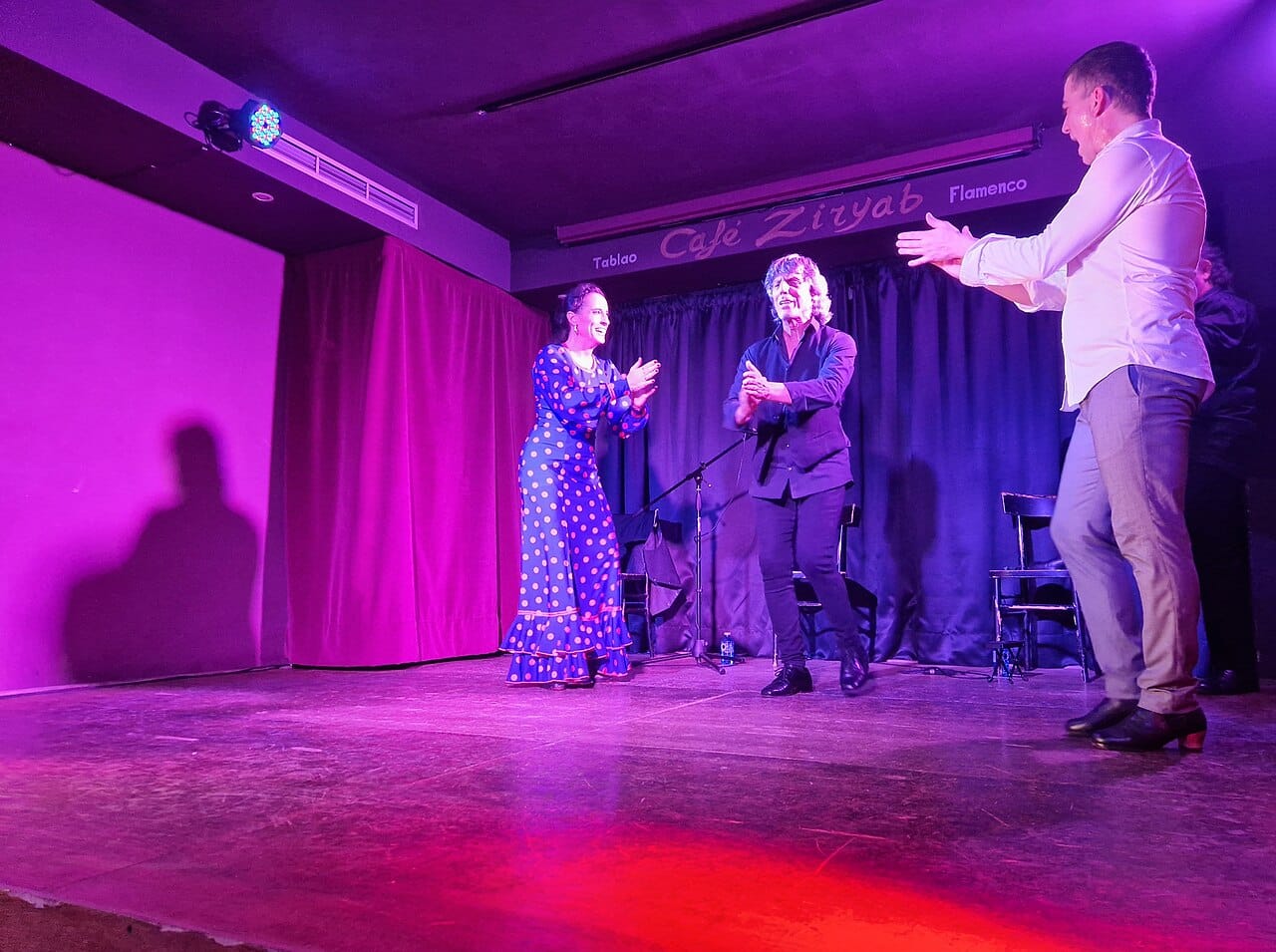
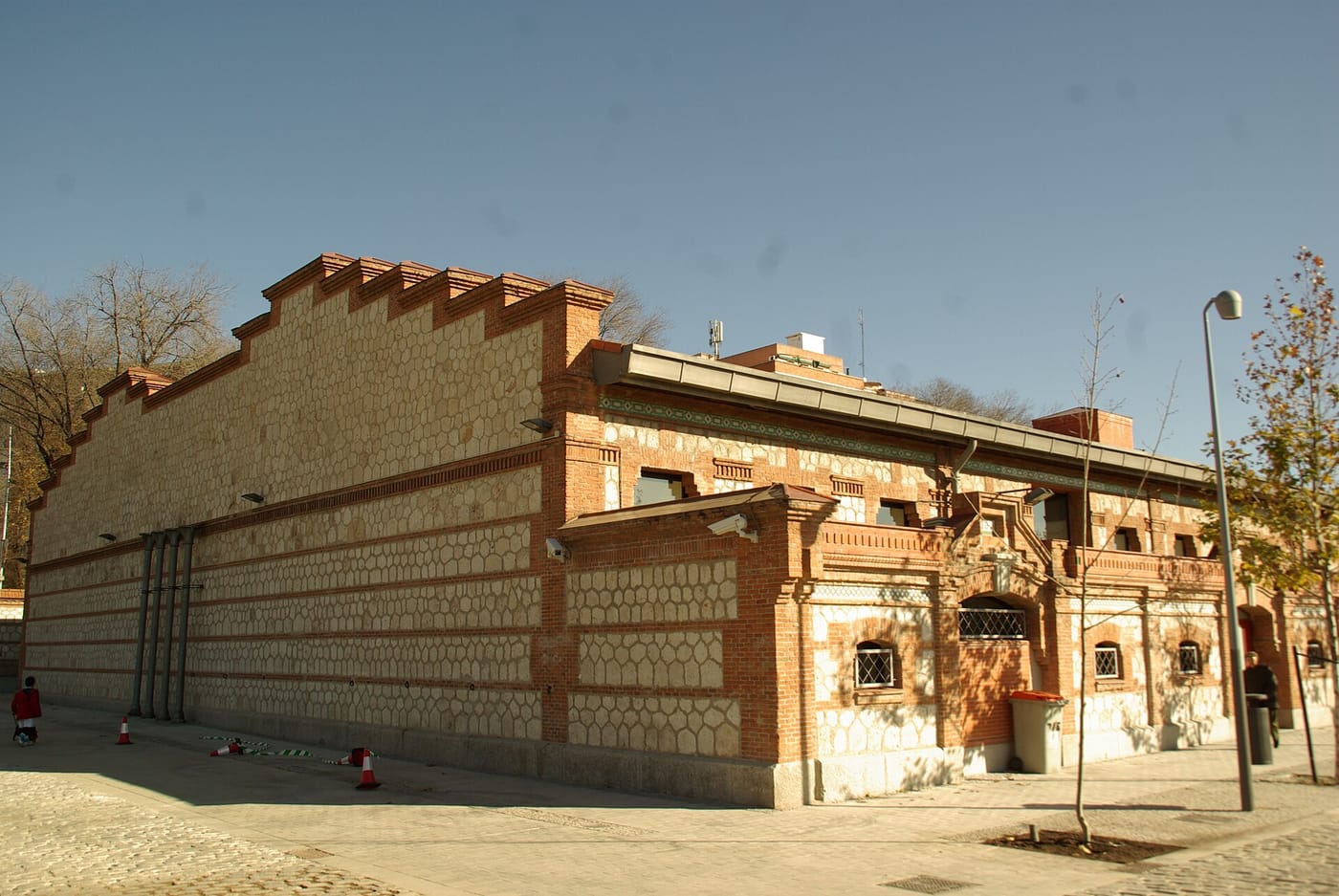
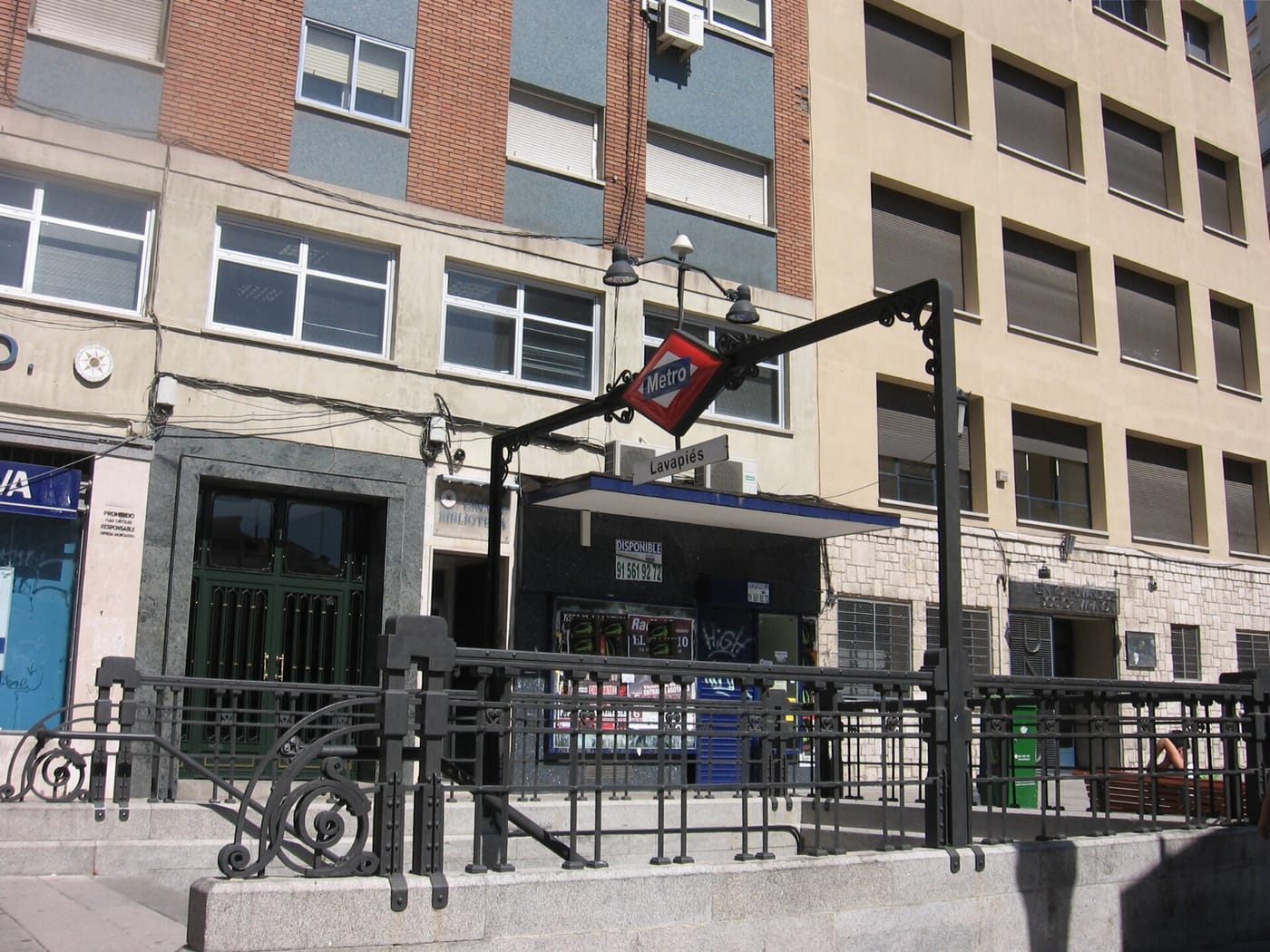
Old Madrid
5 min · 1.2 kmThe oldest, most tangled part of the city and the best tapas crawl in Spain — narrow streets, tiled bars, Sunday's Rastro market on the doorstep. Lively rather than polished.
What’s here
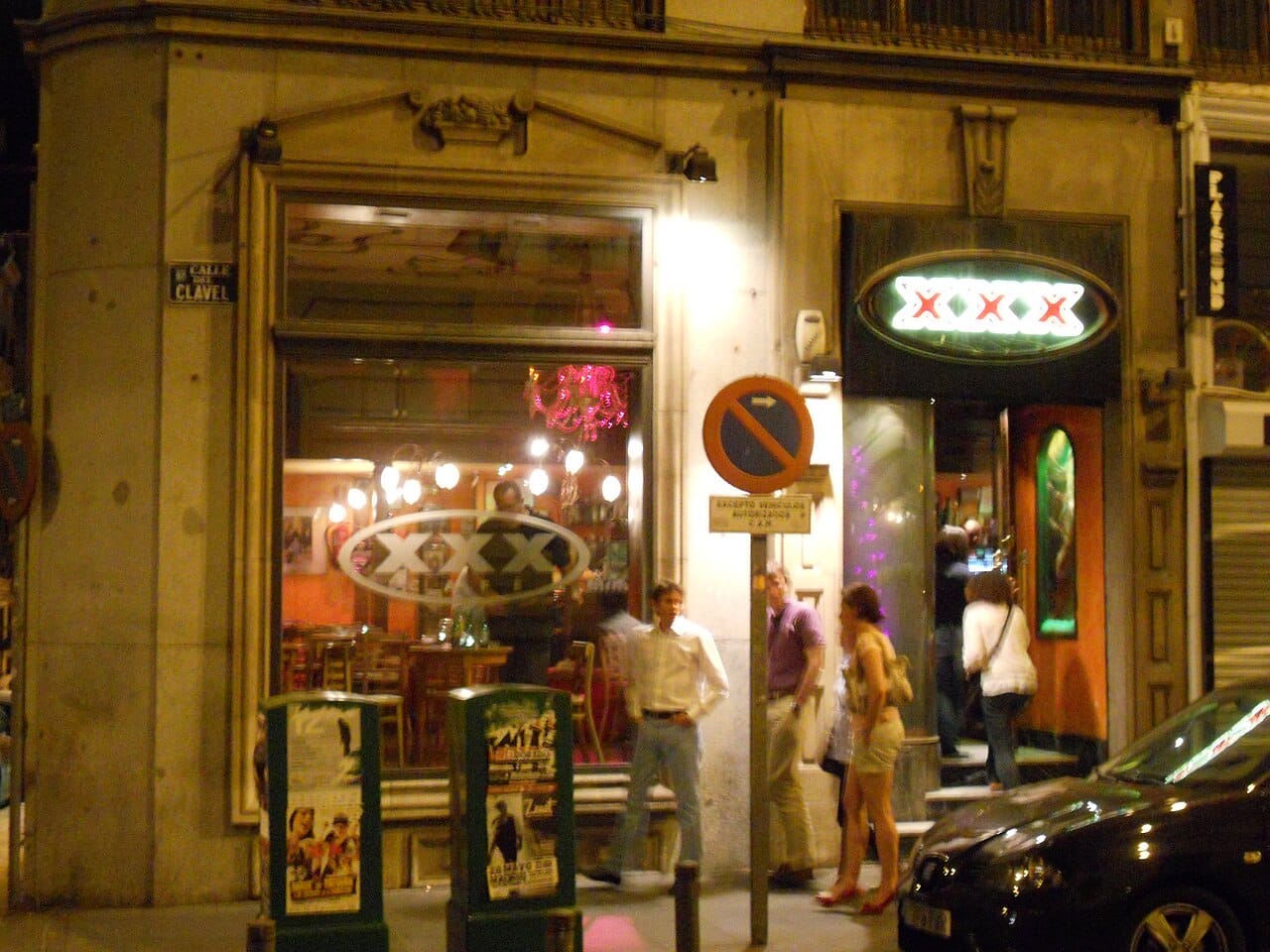
Nightlife
6 min · 1.5 kmWhere Madrid goes out — vintage shops and third-wave coffee by day, bars three deep by two in the morning. Chueca is the heart of the city's gay scene. Stay here to be in it, not near it.
What’s here
Museums & park
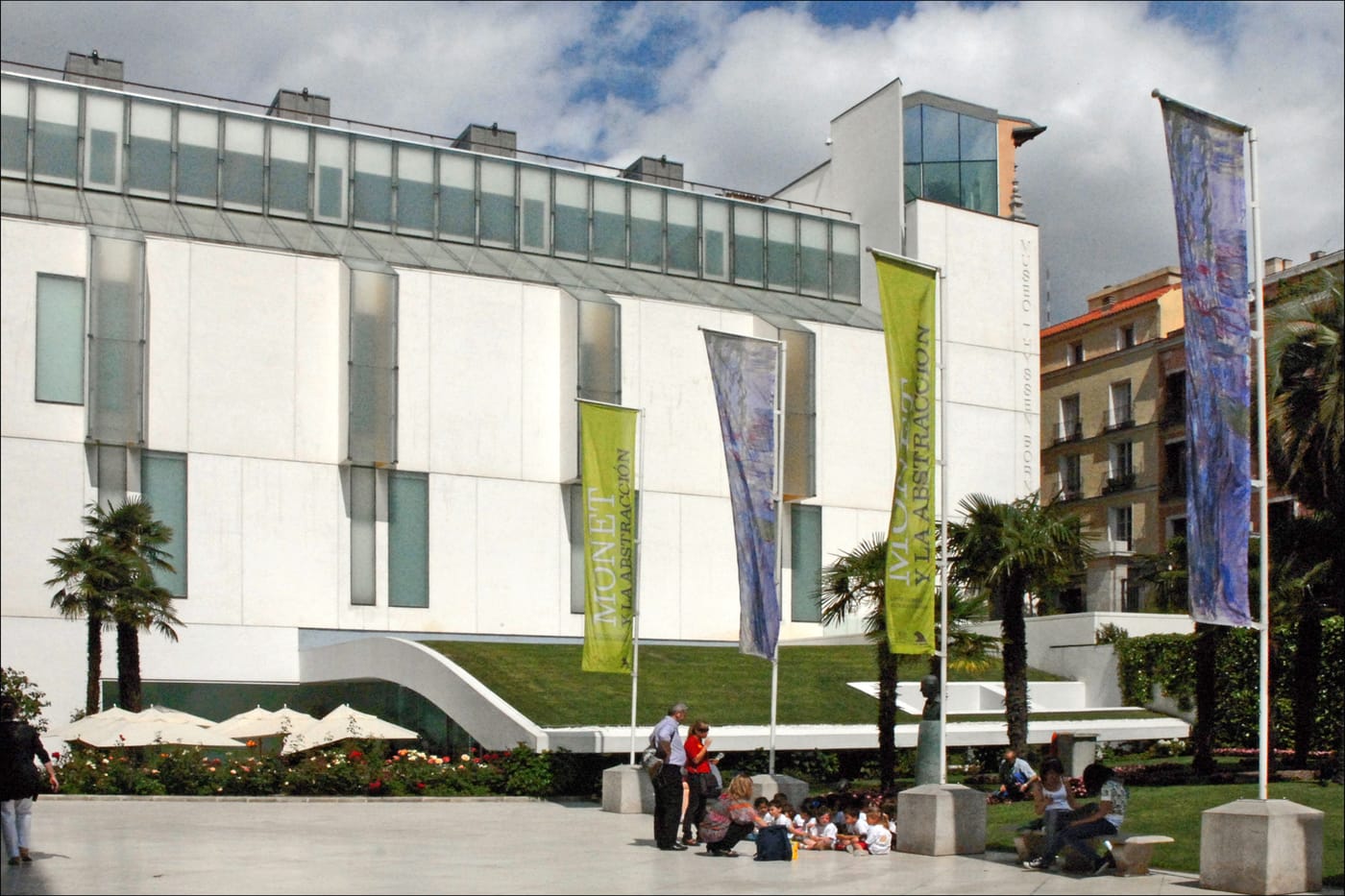
7 min · 2 kmLeafy, grown-up and quiet at night, with the Prado, the Reina Sofía and the enormous Retiro park at the end of the street. The easiest place to sleep well and still walk to everything.
What’s here
Upscale
10 min · 3 kmMadrid's smartest grid — wide pavements, designer shops and expensive calm. Safe, spotless and a little sleepy; the Bernabéu is a short metro ride north.
What’s here
Worth knowing: No beach zone: Madrid is the highest capital in Europe and 350km from the sea. The mountains north of the city are the weekend escape instead.
33 min away
A walled city on a granite hill in a river bend, where Christian, Muslim and Jewish Spain overlapped for centuries. Stay until dark when the day-trippers leave and it's yours.
High-speed AVANT train from Atocha
30 min away
A Roman aqueduct 28 metres high, standing without mortar for two thousand years, plus a fairytale castle and the roast suckling pig the town is famous for.
AVE train from Chamartín
1 hr away
Philip II's vast granite monastery-palace in the mountain foothills — part royal residence, part mausoleum, entirely austere. Cool air and pine forest in July.
Cercanías C-3 train from Atocha or Chamartín
1 hr 30 min away
The most complete medieval walls in Europe, ringing a small high-altitude town whole. Walk the ramparts, eat the steak, and bring a jacket — it's always colder than Madrid.
Regional train from Chamartín
Best time to go
May, and mid-September into October — warm days, cool evenings, and the whole city eating outside without the July furnace.
Cheapest: January and February. Cold and bright, hotels at their cheapest, and you get the Prado almost to yourself.
Pick your dates above and we’ll tell you exactly what the weather does then.
September
27° / 15°C
Some rain
Good time to goMadrid isn't pretty in the way Barcelona is pretty, and it doesn't care. It's a working capital that happens to hold three of the best art museums on earth, and it lives outdoors and late — dinner at ten, the second drink at one, churros on the way home. The centre is small enough to walk end to end, the parks are enormous, and the city's real talent is the unhurried afternoon: a terrace, a vermouth, nowhere in particular to be.
Add it and help the next traveller plan like they’ve got a friend in town.
+ Suggest a hidden spotLast updated 22 July 2026. Cities are refreshed, not written once.